SilverHoof EQ Therapy®
Barrier-supporting skin care that stays put on cannon bones and pasterns. Ideal for light coats that show everything.
Learn about SilverHoof
By Jon Conklin • Updated • 6 to 8 min read
Flea-bitten gray is a late stage gray coat where the horse lightens toward white but keeps scattered dark speckles. Here is what it means, how it develops, and a clean routine that keeps coats bright without stirring up sensitive skin.
Quick definition: A flea-bitten gray is a gray horse that has lightened to a near-white coat but still shows scattered darker speckles across the body.
No. Roan mixes white hairs through the coat in a more uniform way and does not keep changing dramatically year over year. Gray changes over time. Flea-bitten gray is a later gray stage where speckles appear on a mostly white coat.
Flea-bitten gray is a later stage seen in many gray horses where the coat lightens to near-white and small, freckle-like speckles often chestnut or bay toned pepper the body. Pattern density varies by horse and can increase with age.
As gray progression reduces overall pigment, some hair follicles keep producing colored hairs. Over seasons, those fleabites can spread or darken, especially on the neck, shoulder, and barrel.
Rinse sweat promptly, keep tails off wet bedding, and spot-clean manure or grass stains early to prevent set-in discoloration.
Go easy on harsh detergents. Consistent curry plus soft brush protects natural sheen and does not stir up sensitive skin.
Light coats show every scuff. Support the skin barrier, keep legs clean and dry, and manage crust or irritation fast. Choose sensation-free, show-safe care that stays where you put it. Clean, simple, predictable.
Barrier-supporting skin care that stays put on cannon bones and pasterns. Ideal for light coats that show everything.
Learn about SilverHoofDaily-use cream for comfort on heels and rub-prone zones. No staining, no drama.
Explore Rapid ReliefSensation-free post-work care that keeps recovery calm so coats lay nice and shine builds naturally.
Shop the liniment gelNote: Avoid applying topical products near eyes. Follow label directions.
Use the contact page and we will keep it fast, simple, and show-safe.
No. Many grays finish light without speckles. Expression varies by horse and lineage.
Often yes. Speckles can spread or intensify over seasons as the coat continues to change.
Spot-clean early, rinse sweat, use gentle products, keep legs dry, and support the skin barrier with show-safe topicals.
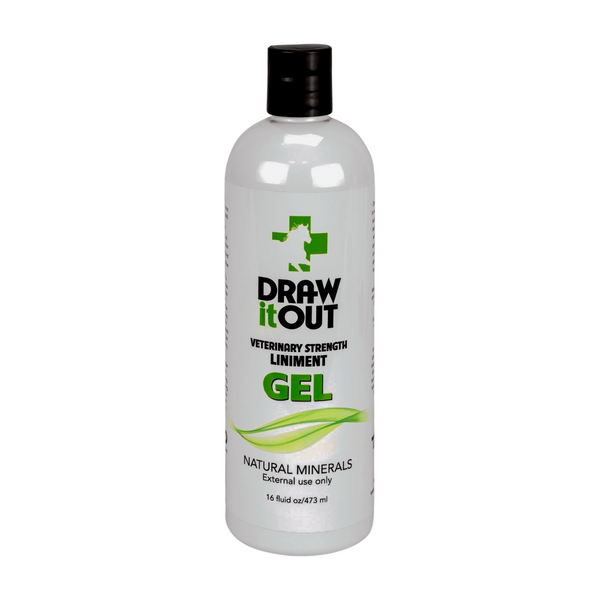
Our flagship liniment gel is sensation-free and trusted by competitive riders. Always confirm current rules for your discipline and venue.
This article explains background and context. If you’re here to act, these are the most common next steps riders take.

Not sure which ReJüv size fits your routine. Here is the fast guide to 3oz travel, 8oz grab and go, 8oz EZ Squeeze, and 16oz home base.

Your horse may be drinking less than you think. Late-winter hydration gaps can quietly affect joints, muscles, and recovery—right before ...

Hydration problems rarely come from one mistake. This rider-tested framework shows how to improve equine hydration through simple systems...
Simple, rider-trusted tips and tools.
Want a smarter way to handle soreness, heat, swelling, and post-ride leg care? Visit our Performance Recovery Hub for clear routines and product guidance.
Visit the Recovery HubFour core Draw It Out® staples riders reach for daily.
!