

Daily recovery
Liniment Gels
Explore the Draw It Out® liniment gel lineup for everyday use, post-work routines, and targeted recovery support.
Shop liniment gels
Real Rider Resource
Fast answer: cool the horse first, check all four legs second, then decide whether boots, wraps, liniment, or more walking actually fit the horse in front of you. For moderate work, many horses need 10–20 minutes of walking plus targeted cooling when legs stay warm.
A good cool-down is not a fancy barn ritual. It is the bridge between work and recovery. The ride may be over, but the horse’s body is still managing heat, breathing, circulation, sweat loss, muscle fatigue, tendon load, and the first signals of tomorrow’s soreness.
Real riders use the cool-down window to listen. Is the horse breathing normally? Are the legs filling? Is one hock warmer than the other? Did the back tighten? Did the horse recover like usual, or did something feel off? That information matters more than any single product, boot, wrap, or trick.
Cool the horse first. Check the horse second. Wrap or boot only when the legs are ready for it.
Walk until breathing and attitude return toward normal, move the horse into airflow or shade, loosen tack, offer water appropriately, rinse or hose when conditions call for it, scrape excess water in heat, then check all four legs by hand. The goal is not to rush the clock. The goal is to get the horse back toward baseline without trapping heat.
Cool first when the horse is still hot, breathing hard, sweating heavily, or carrying warmth in the lower limbs after meaningful work. Walking, airflow, rinsing, scraping, and targeted cold therapy help the body return toward baseline before you trap anything under a wrap.
Wrap later when the horse is cooled, legs have been checked, skin is clean and dry enough for the material being used, and there is a clear reason for support, protection, hauling, standing, or veterinary-directed care. Wrapping hot legs too soon can hold heat where you meant to reduce it.
| Method | Best use | Time limit | Risk to watch |
|---|---|---|---|
| Walking | First-line cool-down after most rides | 10–20 minutes or horse-guided | Stopping too soon |
| Cold hosing | Warm legs, hot weather, sweat removal | 10–20 minutes when focused | Leaving warm water sitting in the coat |
| Cooling boots or ice | Targeted leg heat after harder work | Follow equipment directions | Overcooling, poor fit, pressure points |
| Support wraps | Standing, hauling, or directed support | Use only within your safe routine | Trapped heat, uneven pressure, dirty skin |
Boots are not bad. Lazy boot use is bad. The same gear that protects a horse from interference, knocks, and arena work can also hold heat against the leg when conditions are already working against you.
Horse legs are built to move, circulate, and cool. Boots can reduce airflow and trap warmth, especially during high-heat rides, long schooling sessions, hauling, or work where the horse already tends to run hot. That does not make every warm leg an emergency. It means the rider should notice patterns before small management issues become bigger ones.
| Material | Airflow | Heat risk | Best use |
|---|---|---|---|
| Fleece | Low | High | Support, not high-heat work |
| Neoprene | Moderate | Moderate to high | Protection with awareness |
| Perforated neoprene | Improved | Moderate | Balanced use |
| Air mesh | Higher | Lower | Hot conditions, longer work |
Skip boots or wraps when airflow matters more than protection, when legs are still warm, when skin is wet or dirty, when the horse has unexplained heat or swelling, or when the work is light enough that extra gear only adds heat and friction. Protection is only useful when it protects more than it compromises.
Liniment belongs inside observation, not instead of it. After the horse has walked down and been checked, a sensation-free liniment routine can support everyday post-work care for legs and major muscle groups. That is where Draw It Out® Liniment Gel fits: targeted, clean, odorless, colorless, and practical for riders who want support without a hot menthol burn.
Draw It Out® Liniment Gel is built for barn practicality, including use under wraps when appropriate. The decision to wrap should still come from the horse in front of you, not habit.
Call your veterinarian for persistent lameness, abnormal swelling, significant heat, pain on palpation, wounds, strong digital pulse, collapse, poor recovery, or anything that does not fit your horse’s normal pattern. Cooling routines are management. They are not diagnosis.
Q: Should I wrap immediately after a hard ride?
A: Not if the legs are still warm, wet, dirty, or showing unexplained heat or swelling. Cool and check first.
Q: Is liniment gel safe under boots or wraps?
A: Use a light layer only when the product directions and your gear routine match. Do not trap excess heat or apply over irritated skin.
Q: What is the simplest post-ride routine?
A: Walk, breathe, cool, check, decide. That order prevents most rushed mistakes.
Boots, wraps, ice, hosing, and liniment are tools, not religions. Use them when they solve the problem in front of you. Real recovery starts when the rider slows down long enough to notice what the horse is telling them.
Educational only. This article does not diagnose, treat, or replace veterinary care. For lameness, heat, swelling, abnormal recovery, or suspected injury, contact your veterinarian.
This article gives you the background. If you are ready to put the idea into a real horse care routine, these are the next places most riders should go.
Explore the Draw It Out® liniment gel lineup for everyday use, post-work routines, and targeted recovery support.
Shop liniment gelsMatch your horse’s workload, age, routine, and care goals to the Draw It Out® products that make the most sense.
Use the finderLearn how riders support soundness, comfort, and consistency before little issues become bigger problems.
Read the guideReal Barn Proof
Real riders. Real horses. Real routines. These clips rotate automatically so the proof stays fresh without weighing the page down with a long feed.
Why this matters: good horse care should make sense outside the ad. These clips show the kind of everyday use that builds trust one barn at a time.
Further Reading
Horse care works better when the next step is clear. These related reads help connect today’s topic to better daily decisions in the barn.

Jun 12, 2026
Dry, cracked, or stressed hooves need a consistent hoof-care routine. This guide helps riders decide when Silver Hoof EQ Therapy® fits.
Read article
Jun 11, 2026
A locked-style horse health article on checking legs, boot lines, wrap marks, sweat, heat, rubs, and recovery after summer rides, hauling, tra...
Read article
Jun 10, 2026
A practical horse-care guide explaining when riders should choose liniment, when a clay brace makes more sense, and how MasterMudd™ EquiBrace™...
Read articleStart with the principle, then build the habit. The right article should make the next barn decision easier, not more complicated.
Next Step
Simple care guides, practical product paths, and rider-trusted tools built for real horses and real routines.
Good care gets easier when the next step is obvious. Read the guide, match the routine, then choose the format that fits how your barn actually works.
Recovery Routine
Want a smarter way to think through post-ride care, heat, swelling, leg support, and daily recovery decisions? Start with the Performance Recovery Hub.
Better recovery starts with a repeatable routine. The hub gives riders a clearer path from workload to product format to aftercare timing.
Rider Favorites
Four core Draw It Out® staples riders keep close for daily recovery routines, wash rack use, targeted support, and quick barn-side care.
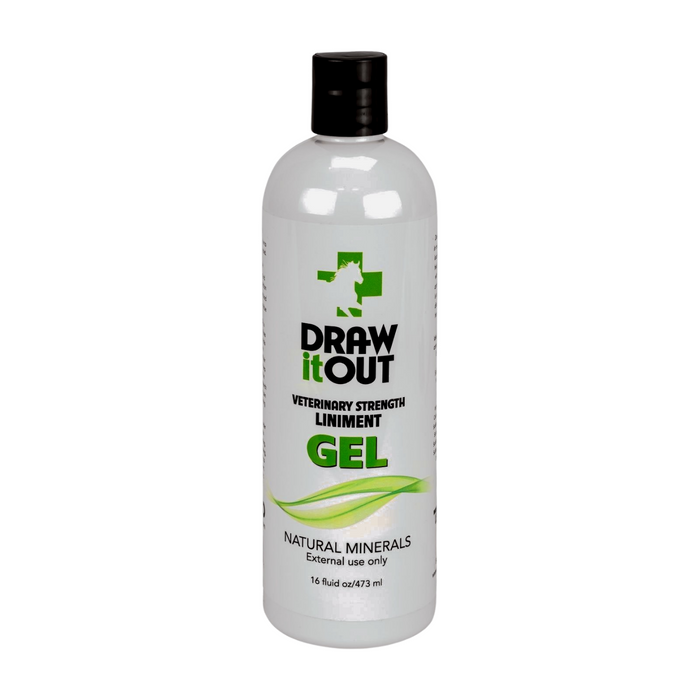
Stay-Put Gel
The everyday liniment gel format riders reach for when they want targeted, no-mess application.
View product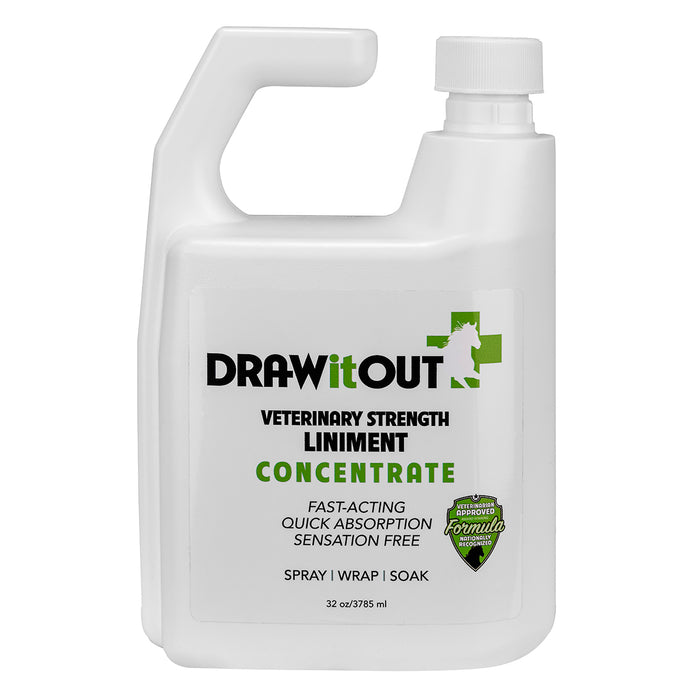
Mix Your Way
A flexible concentrate for riders who want to mix their own routine around workload and barn needs.
View product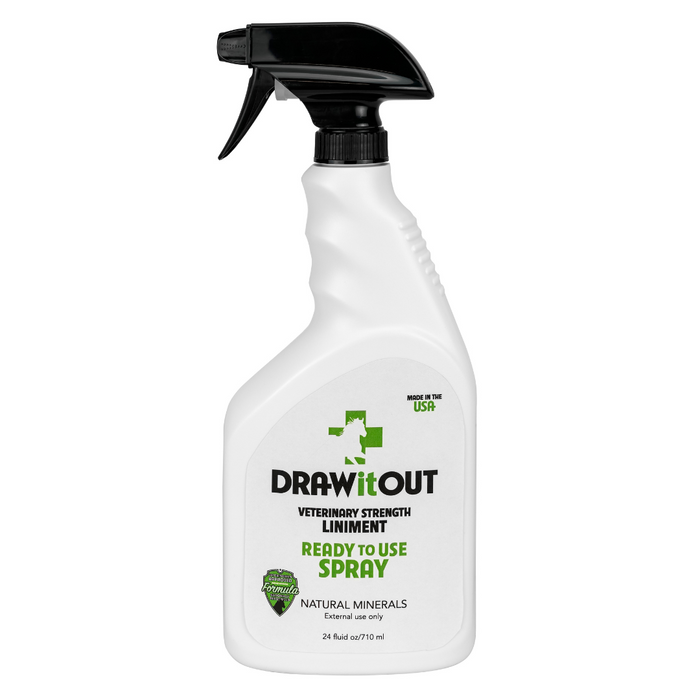
Ready To Use
A ready-to-use spray format for quick application after work, travel, turnout, or daily care.
View product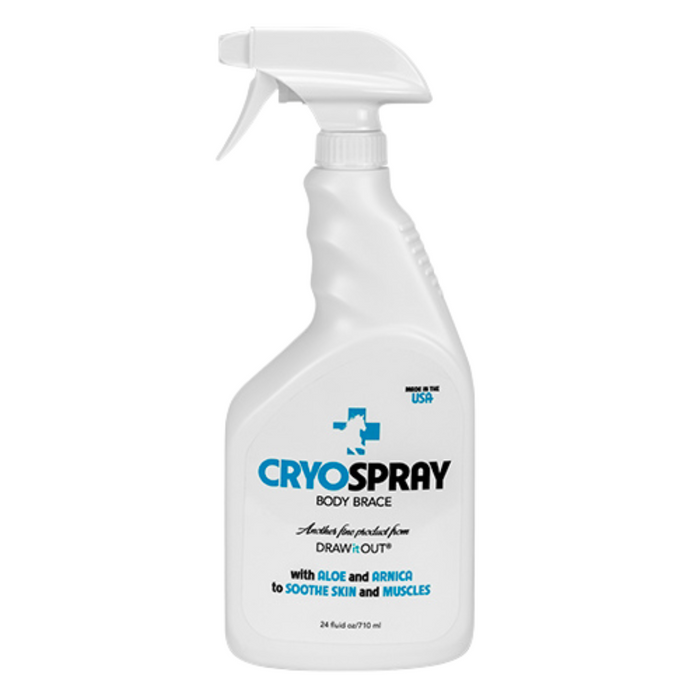
Cooling Brace
A cooling body brace spray for riders who want a fast, practical option after hard work or hot days.
View productFormat matters. Gel, concentrate, ready-to-use spray, and cooling spray each solve a different barn problem. Pick the one your routine will actually use.
!