Understanding Equine Inflammation: What Every Real Rider Should Know

Understanding Equine Inflammation

Excerpt: Inflammation is the body’s first response to stress, strain, or injury—but left unmanaged, it can do more harm than good. This Real Rider Resource breaks down what inflammation means in horses, how to spot it, and how to support your horse through it with smarter care and topicals that actually work.

When Something’s Swollen, It’s Speaking—Are You Listening?

We talk about “soreness” in the barn all the time. But what we’re really talking about is inflammation. While it’s a natural part of healing, too much—or too long—can take your horse from slightly sore to seriously sidelined. This guide helps you understand what inflammation is, what causes it, and how to intervene early with smart care and proven tools from the Real Rider toolkit.

What Is Inflammation in Horses?

Inflammation is the body’s first line of defense when tissues are damaged or stressed. It causes:

  • Increased blood flow to the area
  • Swelling (edema)
  • Heat
  • Redness (on visible skin)
  • Pain or sensitivity
  • Reduced movement

It’s how the body starts healing. But chronic inflammation = chronic damage.

Common Causes of Inflammation in Horses

  • Overwork or poor conditioning
  • Soft tissue strain (tendons, ligaments, fascia)
  • Hoof concussion or bruising
  • Ill-fitting tack
  • Minor joint degeneration or arthritis
  • Environmental stress (mud, cold, wet, poor footing)
  • Kicks, slips, trauma

How to Spot It Early

  • One leg slightly more filled than the other
  • Warmth around joints or tendons
  • Mild resistance to grooming
  • Shortened stride or hesitation
  • “Stocking up” in the stall
  • Tail swishing or ear pinning during rides

How to Manage Inflammation Effectively

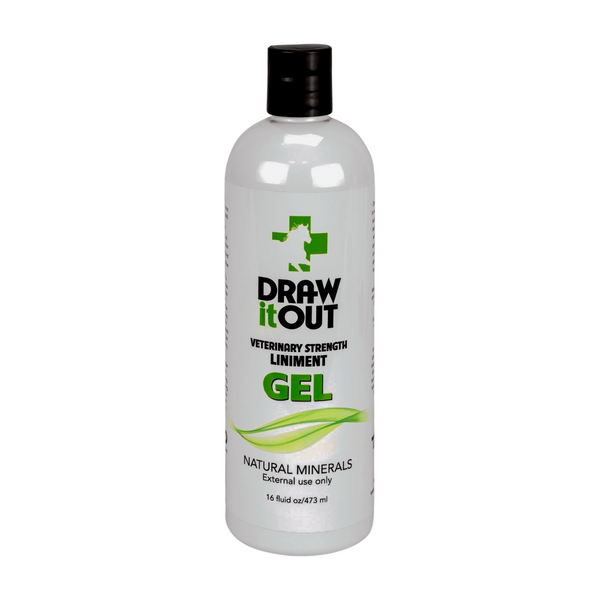
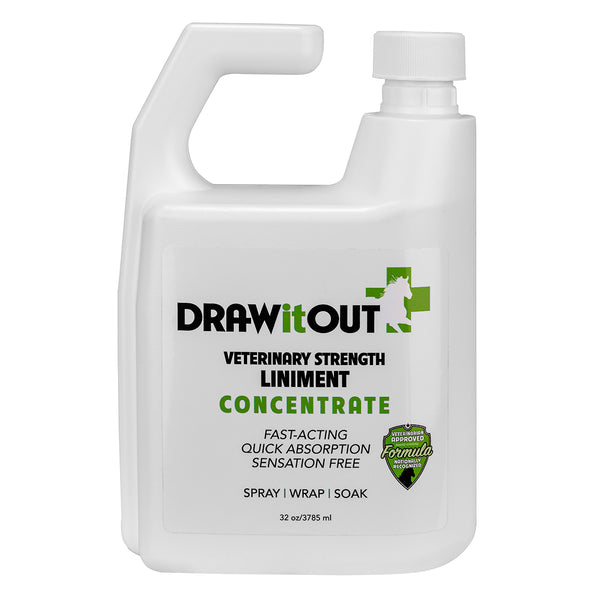
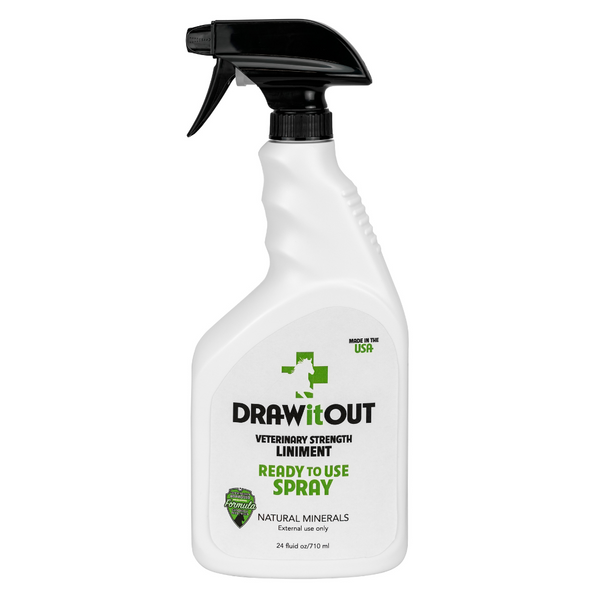
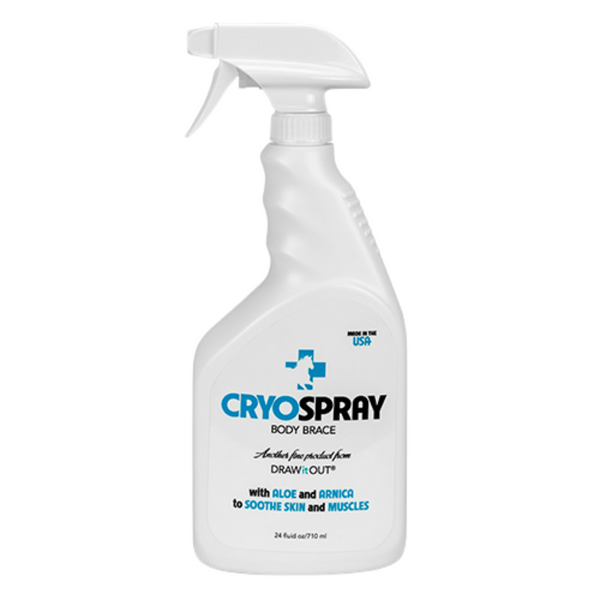
Topical Support (Daily or As-Needed)

Physical Tools

  • Cold hosing (10–20 minutes)
  • Standing wraps (when swelling is present)
  • Proper warm-up and cool-down
  • Controlled movement (light turnout is better than stall rest unless advised)

Optional Oral Support

  • Omega-3s (anti-inflammatory)
  • MSM, turmeric, boswellia
  • Watch sugar content for metabolic horses

When to Call the Vet

  • Swelling or heat lasting more than 48 hours
  • Worsening lameness
  • Heat and pain at rest
  • Fever or signs of systemic infection
  • Sudden, non-weight-bearing lameness

The Real Rider Advantage

Inflammation isn’t always dramatic. But it always means something. The earlier you notice—and act—the better the outcome. With the right topicals, movement plan, and instincts, you can keep your horse comfortable, moving, and thriving.

“They can’t say what hurts. But they show us. And we show up.”

Leave a comment

Please note, comments need to be approved before they are published.

Start here

Reading first? Here’s the clean path.

This article explains background and context. If you’re here to act, these are the most common next steps riders take.

What this looks like in real barns

Further Reading

Keep your barn dialed in

Simple, rider-trusted tips and tools.

Build a Complete Recovery Routine

Want a smarter way to handle soreness, heat, swelling, and post-ride leg care? Visit our Performance Recovery Hub for clear routines and product guidance.

Visit the Recovery Hub

Rider Favorites—Always in the Kit

Four core Draw It Out® staples riders reach for daily.

Where to go next

If this topic connects to what you’re seeing in your horse, these are the most common next steps.