


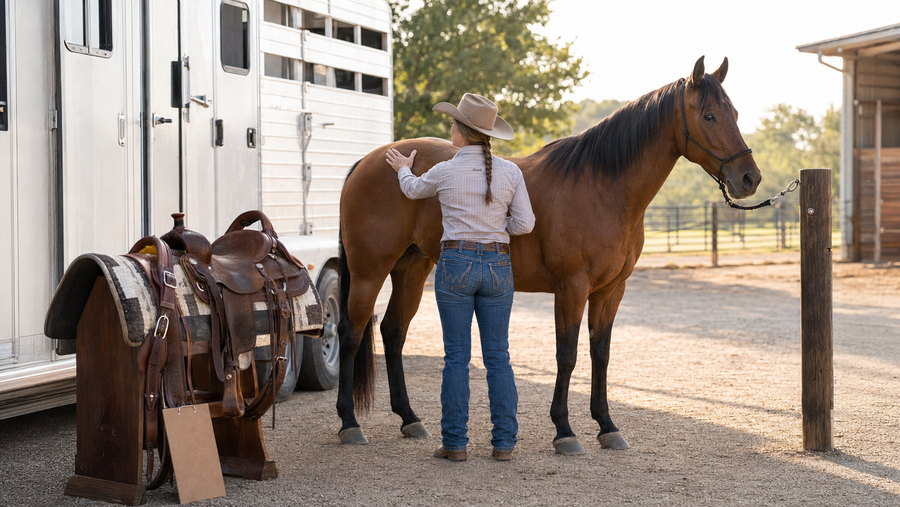
Jul 09, 2026
What Real Riders Check Before a Weekend Jackpot
Use this pre-jackpot checklist for feet, legs, hauling, water, tack, footing, warm-up, cooling, recovery, and signs that should stop the ...
Free U.S. shipping at $50+
No code needed.
Shipping details
Real Rider Resource
A lump on a horse is not something to cut, burn, pick, scrub, or cover with a random product. Skin changes need documentation, patience, and veterinary guidance.
Horse owners find bumps all the time: under a winter coat, near the sheath, around the tail, on the face, under tack areas, along the legs, or in a spot that was not there last grooming day.
Some lumps are minor. Some are not. The problem is that they can look similar at first glance. Sarcoids, melanomas, cysts, proud flesh, old scars, bug reactions, wounds, and other skin changes can all create a raised or abnormal area.
The smart move is not drama. The smart move is documentation and a veterinarian-led plan.
If you do not know what the lump is, do not treat it like you do.
Different skin growths require different decisions. Some may be monitored. Some may need sampling, removal, referral, medication, or a specific treatment plan. Some should not be irritated or handled casually.
Guessing can make the situation worse. So can applying harsh home remedies, cutting into the area, or repeatedly picking at it because somebody at the barn once saw something similar.
Routine skin care can support surrounding skin and grooming habits when appropriate, but it does not diagnose or treat tumors. Keep suspicious growths clean, protected from unnecessary irritation, and under professional guidance.
Grooming Routine Picks can support regular coat and skin checks. For broader education, visit the Horse Health Library.
Call your veterinarian for new lumps, fast-growing lumps, bleeding, ulceration, pain, irritation, growths in tack-contact areas, lumps near eyes or sensitive structures, or any skin change you cannot confidently identify.
A lump is not a product question until you know what it is. Measure it, photograph it, protect it from irritation, and get veterinary guidance before the barn starts experimenting.
Educational only. This article is not a substitute for veterinary diagnosis or treatment. New, changing, bleeding, painful, irritated, or suspicious lumps should be evaluated by your veterinarian.
The best routines are quiet. They do not draw attention, but they prevent problems before they show up.
Use this pre-jackpot checklist for feet, legs, hauling, water, tack, footing, warm-up, cooling, recovery, and signs that should stop the ...

A rider-first show and travel hydration guide for horses that drink less away from home, including intake tracking, familiar-water planni...
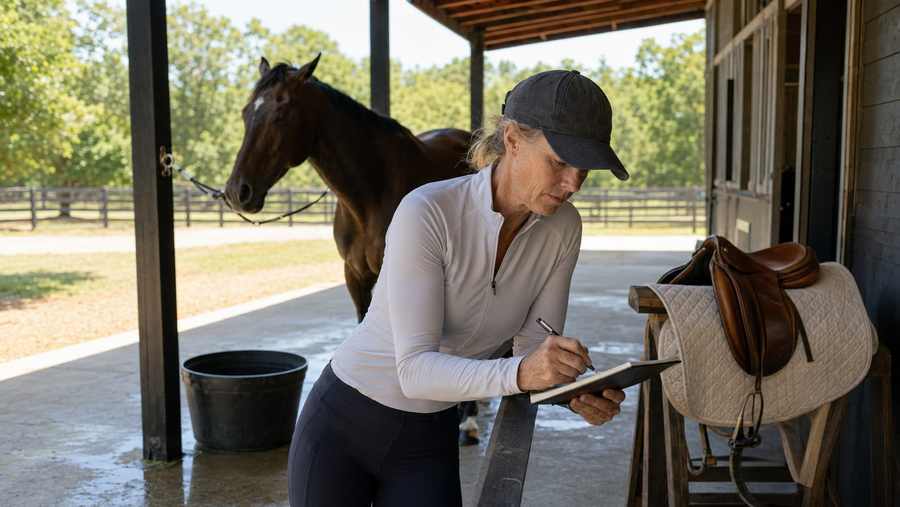
A Real Rider Resource guide for keeping a rider’s heat journal after hot rides: what to track and how to adjust the plan.
Want a smarter way to handle soreness, heat, swelling, and post-ride leg care? Visit our Performance Recovery Hub for clear routines and product guidance.
Visit the Recovery Hub!