


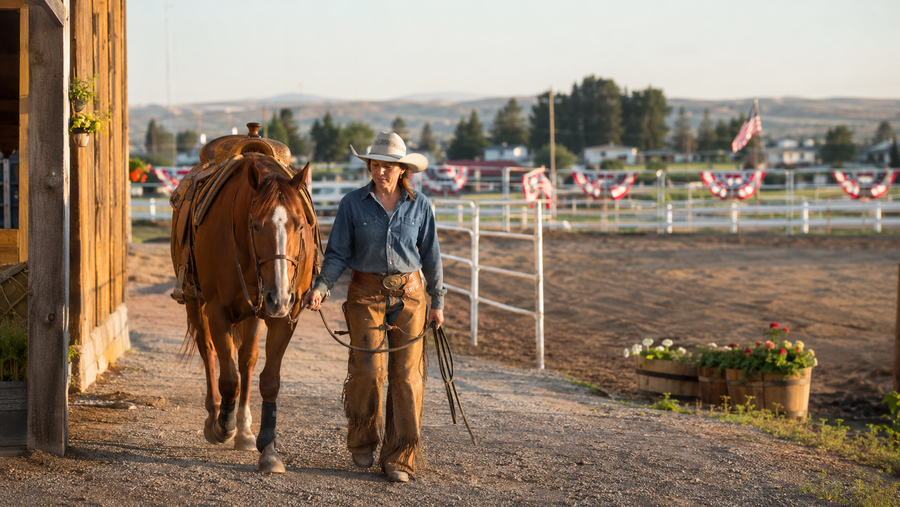
Jul 04, 2026
Ride Quiet on the Fourth: What Real Riders Remember Before the Noise
A Real Rider Resource guide for Fourth of July barn routines, quieter rides, firework disruption, and checking the horse before the day g...
Free U.S. shipping at $50+
No code needed.
Shipping details
Real Rider Resource
A horse that rushes after a cue is not always being rude. Sometimes the horse is confused, sore, unbalanced, over-faced, over-anticipated, or reacting to the rider’s timing.
Short answer: If your horse rushes after transitions, check the pattern before blaming attitude. Notice when it happens, whether it follows upward or downward transitions, how the horse feels in the body, whether tack or soreness may be involved, and whether the rider is accidentally driving, holding, or releasing at the wrong moment.
A rushing transition becomes more useful when you stop treating it as one bad moment and start treating it as information.
Do not ask only, “Why is my horse rushing?” Ask, “When does this horse rush?” The when is usually more useful than the why.
The practical rule: one rushed transition is a moment. The same rushed transition three rides in a row is a pattern.
Rushing can be a way to escape discomfort. Check back, girth area, shoulders, hocks, feet, and general recovery after work.
A horse may rush away from pressure if the saddle, bit, pad, girth, or rider balance is creating a problem.
Some horses rush because balance is hard. Speed can be the horse’s substitute for strength.
If the horse knows what is coming and thinks the answer is “go now,” the transition may happen before the rider truly asks.
This is the part nobody likes, so say it plainly: sometimes the rider is accidentally making the rush bigger.
| What you notice | Possible clue | First check |
|---|---|---|
| Rushes upward transitions only | Anticipation, balance, energy, rider cue timing | Work smaller transitions inside the gait |
| Falls through downward transitions | Balance, weakness, bracing, soreness, rider hand | Check body comfort and rider release |
| Rushes toward gate or barn | Magnet behavior, anxiety, routine anticipation | Change pattern and reward waiting |
| Rushes one direction | Body asymmetry, tack fit, bend difficulty | Compare both directions and check soreness |
If rushing appears alongside tightness, fatigue, or post-work discomfort, build a calmer daily care routine around observation first.
Products do not replace training, saddle fit, farrier work, veterinary care, or good riding. They support the routine after you notice what the horse is showing you.
Call your veterinarian if the rushing appears suddenly, comes with lameness, swelling, heat, back soreness, girth sensitivity, stumbling, reluctance to move forward, or a clear change in attitude.
Bring in a qualified trainer when the pattern is consistent, escalating, or tied to rider timing.
For nearby rider-awareness patterns, read Horse Drops a Shoulder in Turns, Horse Drifts Through Turns, and Horse Gets Gate Sour.
Common causes include anticipation, imbalance, rider timing, excess energy, discomfort, tack pressure, fatigue, or confusion about the cue.
It can be either. Start by checking the pattern, body comfort, tack, feet, fitness, and rider timing before deciding it is only attitude or only training.
Make the exercise smaller. Work transitions within the gait, prepare earlier, reward waiting, and avoid drilling the same rushed cue over and over.
Call a veterinarian for sudden changes, soreness, lameness, swelling, heat, stumbling, or pain signs. Call a trainer or saddle fitter when the pattern repeats despite a careful routine.
Where to go next: Use the Solution Finder, review the Prehabilitation guide, or browse the liniment gel collection.
The best routines are quiet. They do not draw attention, but they prevent problems before they show up.
A Real Rider Resource guide for Fourth of July barn routines, quieter rides, firework disruption, and checking the horse before the day g...
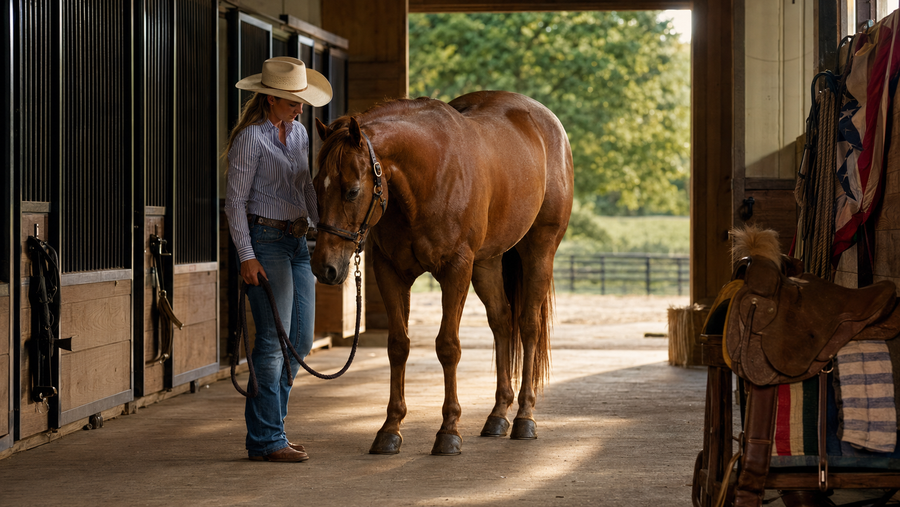
Fourth of July Real Rider Resource special edition: ride quiet, check the horse earlier, plan around heat and fireworks, and end fair.
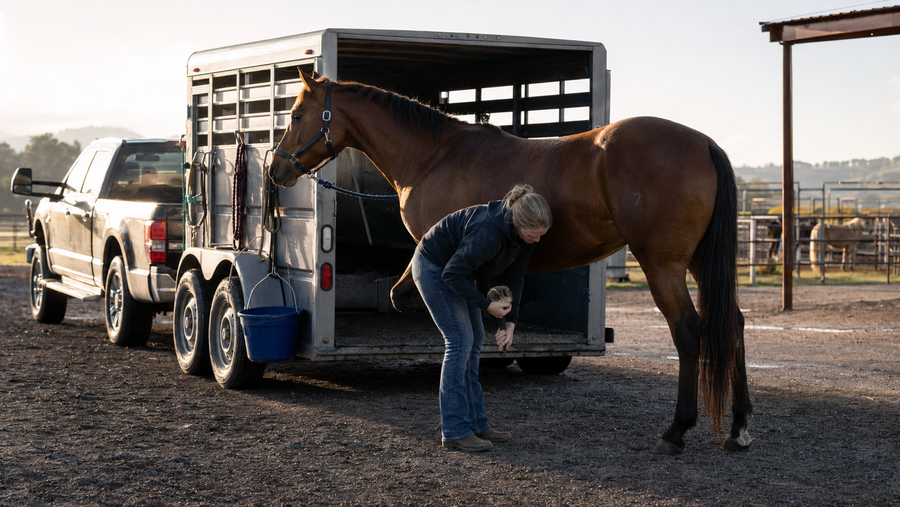
A practical Real Rider Resource guide for holiday weekend haul: what to check, what to track, when to change the plan, and when to ask fo...
Want a smarter way to handle soreness, heat, swelling, and post-ride leg care? Visit our Performance Recovery Hub for clear routines and product guidance.
Visit the Recovery Hub!