When a Horse Needs an Easy Day, Not a Day Off
An easy day may suit a sound horse that benefits from low-stress movement. Learn when to choose walking, turnout, light work, rest, or veterinary help.
Free U.S. shipping at $50+
No code needed.
Shipping details
The morning after fireworks tells you what the night cost. Some horses sleep through noise. Some pace, sweat, spin, call, paw, run fences, or stand tense for hours.
After fireworks, check your horse’s attitude, appetite, water, manure, stall or fence signs, legs, feet, body tension, and first steps. If anything is injured, abnormal, painful, or not returning to normal, call your veterinarian.
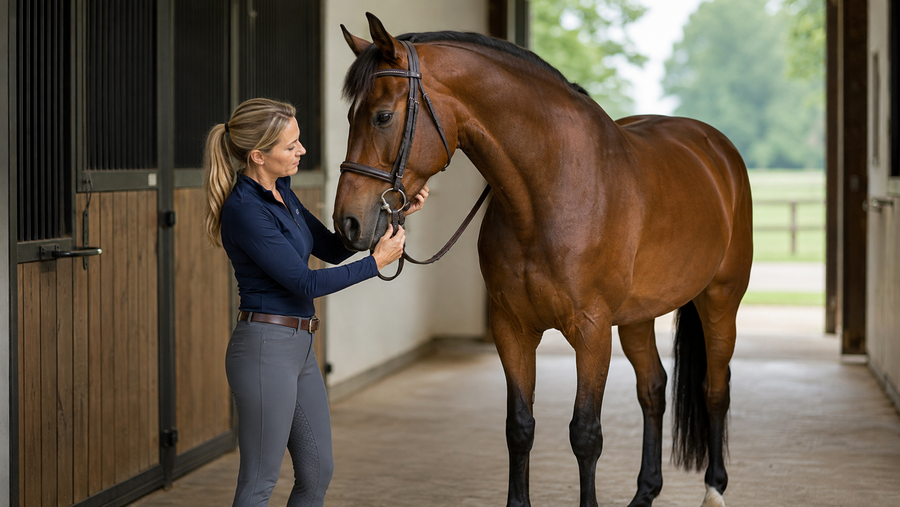
Do not assume the horse is ready because the sun came up. Watch before you touch. Does the horse greet you normally? Is hay cleaned up? Is water gone at a normal rate? Are there new scrapes, swelling, heat, or disturbed bedding?
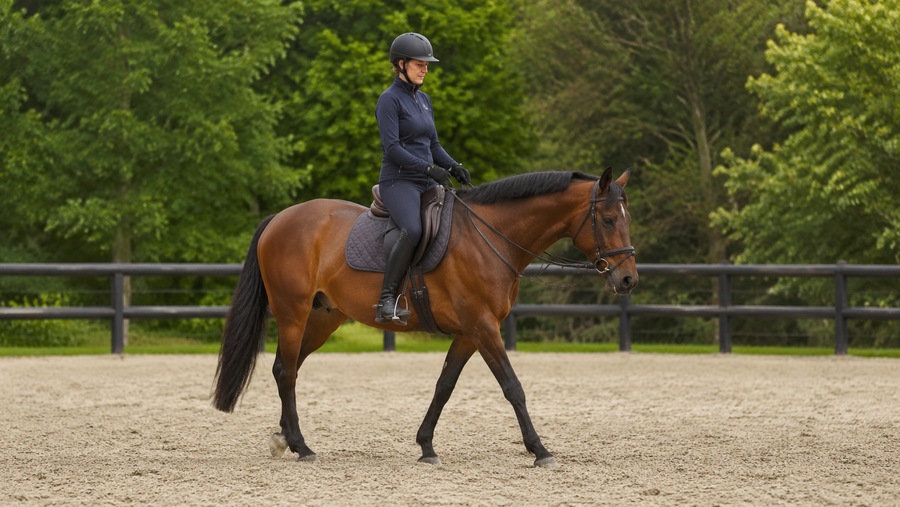
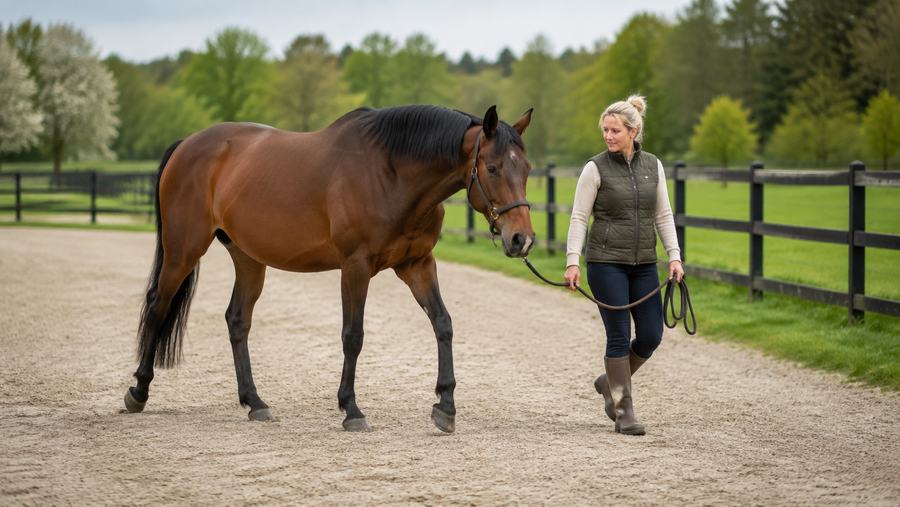
Hand walk first. Let the horse stretch and breathe. Keep the first ask small. If the horse relaxes and feels normal, you can decide what is fair. If the horse is rattled, tight, or guarded, choose recovery over ego.
Use the Horse Health Library and What Does My Horse Need? guide to sort the routine. If the horse needs external support after tension, turnout, or hauling, review the active horse liniment collection.
Call your veterinarian for lameness, swelling, wounds, colic signs, refusal to eat or drink, abnormal breathing, severe anxiety, or anything that looks meaningfully wrong.
Only after checking the horse. Many horses need an easier day after a loud night.
Give the horse time, water, hay, and light movement. Call your vet if tiredness is severe or abnormal.
The calendar may say ride. The horse may say recover. Real riders listen.
An easy day may suit a sound horse that benefits from low-stress movement. Learn when to choose walking, turnout, light work, rest, or veterinary help.
A Real Rider Resource guide for handling rides that start wrong by simplifying the ask and protecting the horse’s try.
Before changing bits, check dental and mouth comfort, current fit, rider hands, tack, training clarity, body comfort, and when resistance appears.
!