



Jul 31, 2026
Can You Keep a Horse Fit Riding Three Days a Week? A Realistic Plan
A realistic three-day horse fitness plan with base work, strength and skill, quality effort, recovery days, warning signs, and a sample w...
Free U.S. shipping at $50+
No code needed.
Shipping details
Real Rider Resource
Fast answer: start hydration before the trailer leaves. Use label-measured electrolytes 12–24 hours before long travel when conditions call for support, offer water consistently, keep hay available when appropriate, and check appetite, urine, manure, attitude, and recovery after unloading.
Hauling changes the horse’s routine before the trailer ever leaves the driveway. Water tastes different. Hay timing changes. Stress rises. Sweat loss may happen before the class, race, clinic, trail ride, or overnight stop even begins. That is why haul-day hydration cannot be treated like an afterthought.
Electrolytes are not magic paste. They are part of a plan. The best riders use them to support normal hydration behavior before the horse is already behind. That means timing, water access, hay, airflow, stops, and arrival checks all matter.
Do not wait until the horse looks dehydrated to start thinking about hydration.
For long trips, heat, show stress, or meaningful sweat loss, a simple rhythm works best: support the horse 12–24 hours before departure, keep water available before loading, offer water at safe stops, and rehydrate immediately after unloading. Exact amounts should follow the product label and your veterinarian’s guidance.
Pre-haul prep starts the day before travel. The goal is simple: keep the horse drinking, eating, and moving normally before the trailer adds stress. A horse that starts the trip already short on water has less room for error once heat, nerves, traffic, and standing time stack up.
| Window | Action | Why it matters |
|---|---|---|
| 12–24 hours before | Use a label-measured electrolyte dose when travel, heat, or sweat loss call for support. | Starts the trip with hydration already in the plan. |
| Before loading | Offer water and hay. Use any pre-load only according to label and routine. | Keeps the horse from starting short. |
| During safe stops | Offer water, check attitude, monitor sweating, and confirm the horse actually drank. | Prevents slow dehydration from hiding in plain sight. |
| After unloading | Offer water and hay, hand-walk, let the horse settle, and re-check appetite, urine, manure, and attitude. | Turns arrival into a recovery checkpoint, not the end of the job. |
Electrolytes should never be used as a replacement for water. They are designed to support hydration routines, not bypass them. If you give electrolytes, the horse needs access to clean water. That matters at home, in the trailer, at stops, and after unloading.
Some horses drink unfamiliar water without complaint. Others do not. For picky drinkers, hauling familiar water or using a trained flavor strategy can help, but train that strategy at home before show week. Do not introduce a new taste for the first time when the horse is already stressed.
Arrival is not the end of the haul. It is the start of the recovery check. A horse can step off the trailer looking fine and still need time, water, hay, movement, and observation before you know how well the trip landed.
Hot weather tightens the margin. Trailers hold heat. Traffic delays extend standing time. Humidity slows cooling. Horses can sweat while standing still. During hot hauls, hydration support belongs with ventilation, shade planning, stop timing, and careful arrival monitoring.
If a horse is dull, weak, not drinking, not sweating normally, breathing hard, or failing to recover, do not try to solve it with another dose. Call your veterinarian.
Hydro-Lyte® fits the routine-support lane for horses facing heat, hauling, sweat loss, and recovery demands. Use it according to label directions as part of a broader hydration system that still includes clean water, forage, observation, and common-sense workload management.
Read the Hydro-Lyte® Trusted Horse Electrolyte guide
Shop Hydro-Lyte® with GastroCell®
Q: Should every horse get electrolytes before hauling?
A: Not automatically. Use depends on the horse, weather, distance, sweat loss, workload, product label, and veterinary guidance.
Q: Can electrolytes make a horse drink?
A: Electrolytes can support normal hydration routines, but they do not replace clean water access or fix a horse that is ill, stressed, or refusing to drink.
Q: What is the fastest arrival check?
A: Look at attitude, appetite, water interest, urine color, manure, gum moisture, and how the horse moves after unloading.
Haul-day electrolytes work best when they are planned, measured, and tied to water. Build the routine before the trip gets hard, then use the horse’s appetite, urine, manure, attitude, and recovery as your scoreboard.
Educational only. This article does not diagnose, treat, or replace veterinary care. For dehydration concerns, colic-like signs, poor recovery, abnormal sweating, weakness, or illness, contact your veterinarian.
The best routines are quiet. They do not draw attention, but they prevent problems before they show up.
A realistic three-day horse fitness plan with base work, strength and skill, quality effort, recovery days, warning signs, and a sample w...

An easy day may suit a sound horse that benefits from low-stress movement. Learn when to choose walking, turnout, light work, rest, or ve...
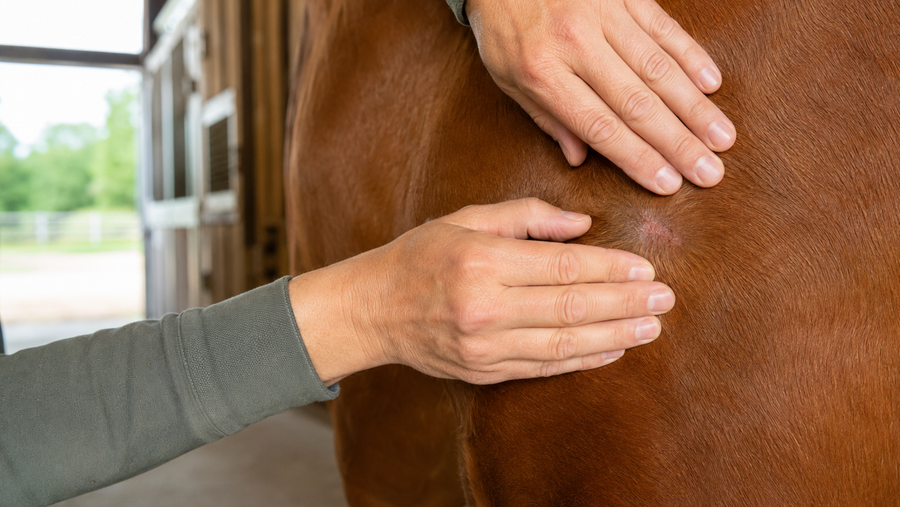
Can you use hydrocortisone on a horse? Learn what it does, when itching needs a veterinarian, and how to route intact skin versus broken ...
Want a smarter way to handle soreness, heat, swelling, and post-ride leg care? Visit our Performance Recovery Hub for clear routines and product guidance.
Visit the Recovery Hub!