Quick answer: When the arena plan stops working, do not automatically add pressure. Identify exactly what changed, check the horse, tack, footing, environment, and rider timing, then lower the difficulty until the horse can give a clear, comfortable answer. Stop and seek help when the pattern is painful, unsafe, or persistent.
A training plan is a hypothesis. It is useful only while it fits the horse in front of you. When the ride falls apart, the best riders do not defend the original plan. They collect better information.
Name the First Thing That Broke
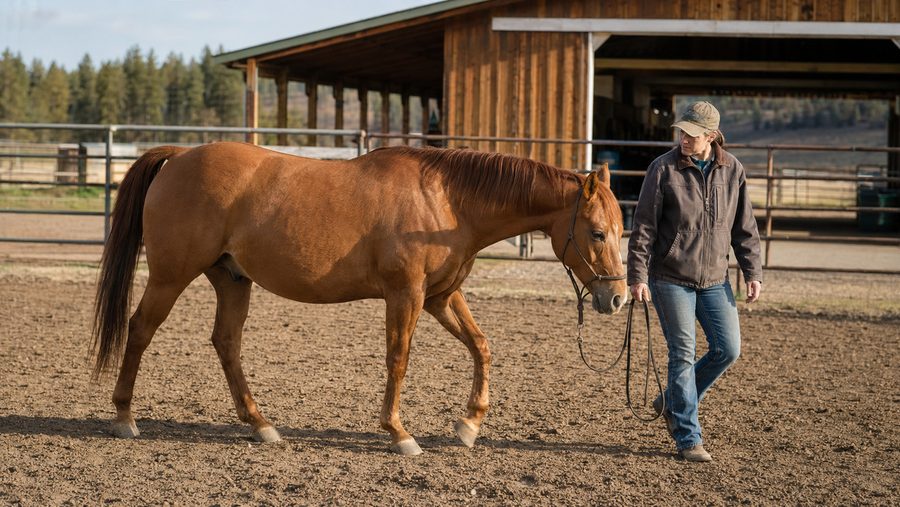
“The ride was bad” is too broad to guide the next decision. Identify the first observable change. Did rhythm disappear? Did steering become delayed? Did the horse lose forward energy, rush, brace, swap leads, pin the ears, or stop understanding the cue?
The final refusal may be the result of several earlier signals that were missed.
Check the Horse Before Escalating
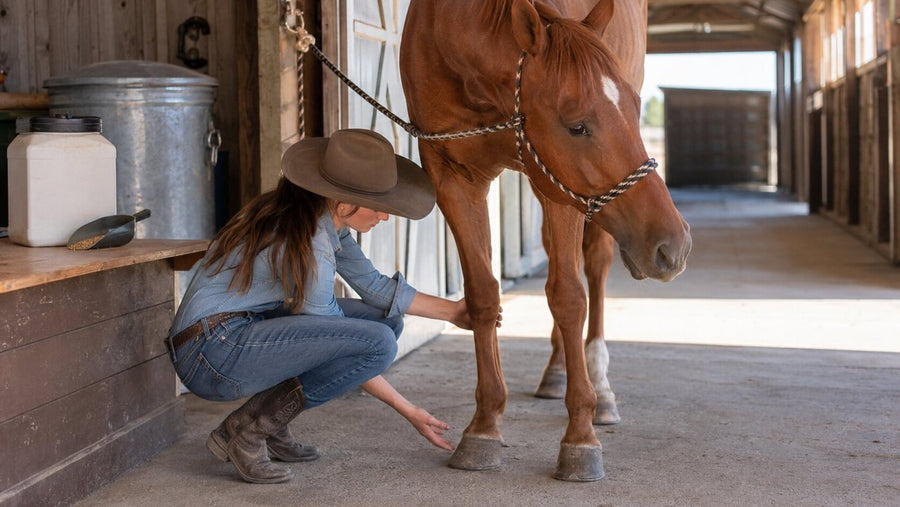
Pause and compare the horse with its normal. Check breathing, sweat, attitude, feet, legs, back, girth area, mouth, and tack placement. Look at the footing and consider heat, wind, flies, nearby activity, and whether the horse is mentally or physically tired.
New pain, lameness, heat, swelling, wounds, unusual breathing, or a marked behavior change is not a training problem to push through. End the work and involve the appropriate veterinarian, farrier, saddle fitter, dentist, or qualified trainer.
Lower the Difficulty Without Losing the Lesson
Return to a version the horse can answer. If a full pattern failed, ride one piece. If the canter transition is deteriorating, restore the walk and trot response. If steering is gone, simplify the line and slow the feet. Reward a correct answer before adding difficulty again.
- Change one variable at a time.
- Use fewer repetitions with better quality.
- Give the cue clearly, then allow time for the answer.
- Stop before fatigue turns a learning problem into conflict.
Audit the Rider’s Timing
A horse can look resistant when the rider’s aids overlap, arrive late, or never release. Ask whether the hand is blocking the forward cue, the leg is nagging, the seat is behind the motion, or the rider is correcting after the horse has already tried.
Video can be useful because it replaces memory with evidence. A trusted trainer on the ground may see a timing problem that is hard to feel from the saddle.
The horse needs to know which answer earns the release. More pressure without more clarity is just more noise.
Know When to End the Ride
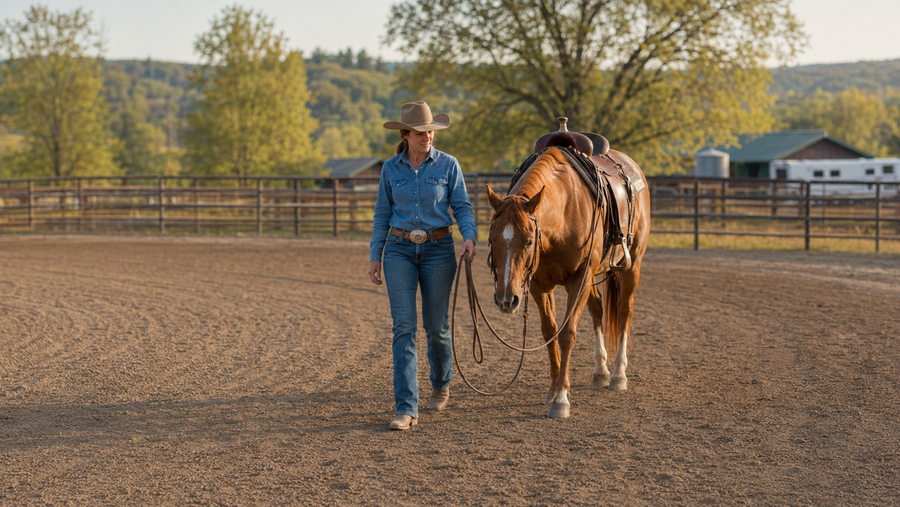
Ending on a simpler, correct piece of work is not quitting. It protects confidence and gives you a clean starting point for the next session. Continuing until the horse is exhausted rarely repairs the original misunderstanding.
Write down what worked, what changed, and what you will test next time. If the same breakdown returns at the same point, get qualified help instead of repeating the argument.
Build the Next Plan
The next ride should answer one question, not settle every issue. Start with a short baseline check, confirm the horse is comfortable, then introduce the difficult piece in a smaller form. Use the asking too much too soon guide to review whether workload and training progression still fit.
FAQ
Should I push through when the horse says no?
First determine whether the horse understands and is physically comfortable. Confusion, fatigue, fear, and pain require different responses.
How many times should I repeat an exercise?
There is no universal number. Stop when quality is declining, the horse has answered clearly, or the repetition is no longer teaching the intended lesson.
When should I get professional help?
Get help when the behavior is dangerous, painful, recurring, rapidly worsening, or beyond your ability to assess and rebuild safely.
General riding education only. This article is not veterinary advice or a substitute for instruction from a qualified professional who can assess the horse and rider directly.