Heat
Compare left to right. A hot spot before work should not be ignored.

Daily leg care checklist
A good leg-care routine starts before there is a problem. It is eyes, hands, comparison, clean skin, hoof checks, and knowing when today is no longer routine.
Quick answer: Check your horse’s legs before and after work for heat, filling, cuts, rubs, boot marks, hoof changes, tendon-area sensitivity, and movement changes. Use routine support only after the horse is checked and the skin is clean, dry, and intact.
Same order. Same hands. Same horse. That is how you catch change.
Pre-ride leg checks are not just for horses with a known issue. They are how you learn normal. A leg that looks clean from across the aisle may still have heat, filling, a boot rub, a small cut, a swollen spot, or a hoof problem starting.
Compare left to right. A hot spot before work should not be ignored.
Soft familiar fill is different from sudden, one-sided, hot, or painful swelling.
Look around fetlocks, pasterns, cannon bones, boot areas, and heel bulbs.
Run your hands down both legs and notice thickness, tenderness, or changes.
Pick feet, check shoes, look for stones, cracks, odor, packed mud, or tenderness.
Watch the walk before saddling if something looks different or the horse feels off.
Plain rule: If the horse starts the day hot, painful, lame, swollen, or not acting normal, do not cover it with a routine.
The post-work check tells you how the horse handled the job. Do not just untack, toss boots in the corner, and walk away. The legs will tell you if the work, footing, gear, or schedule needs adjusting.
| What changed? | What to check | Next move |
|---|---|---|
| New heat | Compare to the opposite leg and check tenderness | Pause the routine and evaluate. Call the vet if concerning. |
| Filling after work | Soft vs firm, even vs one-sided, painful vs comfortable | Use the swelling or stocking-up checklist before guessing. |
| Boot marks | Dirt, rubs, pressure lines, trapped sweat, fit | Clean gear and adjust before the next ride. |
| Scrapes or interference marks | Location, depth, swelling, pain, recurrence | Clean and monitor. Call for help if serious or recurring. |
| Changed movement | Walk, turn, back, and compare to the pre-work baseline | Do not call it normal tiredness without checking. |
Good habit: The value is in comparison. Before work vs after work. Left vs right. Today vs normal.
Leg gear can help in some routines, but dirty, wet, tight, loose, or poorly fitting gear can create new problems. A boot mark is information. A rub is information. A pressure line is information.
Wrap rule: If you are guessing why you are wrapping, do not wrap. Wraps need a purpose, clean skin, correct materials, even pressure, and regular checks.
The leg does not start at the fetlock. Hoof balance, farrier schedule, footing, shoeing, trimming, sole comfort, frog condition, and packed debris all influence the way the horse moves.
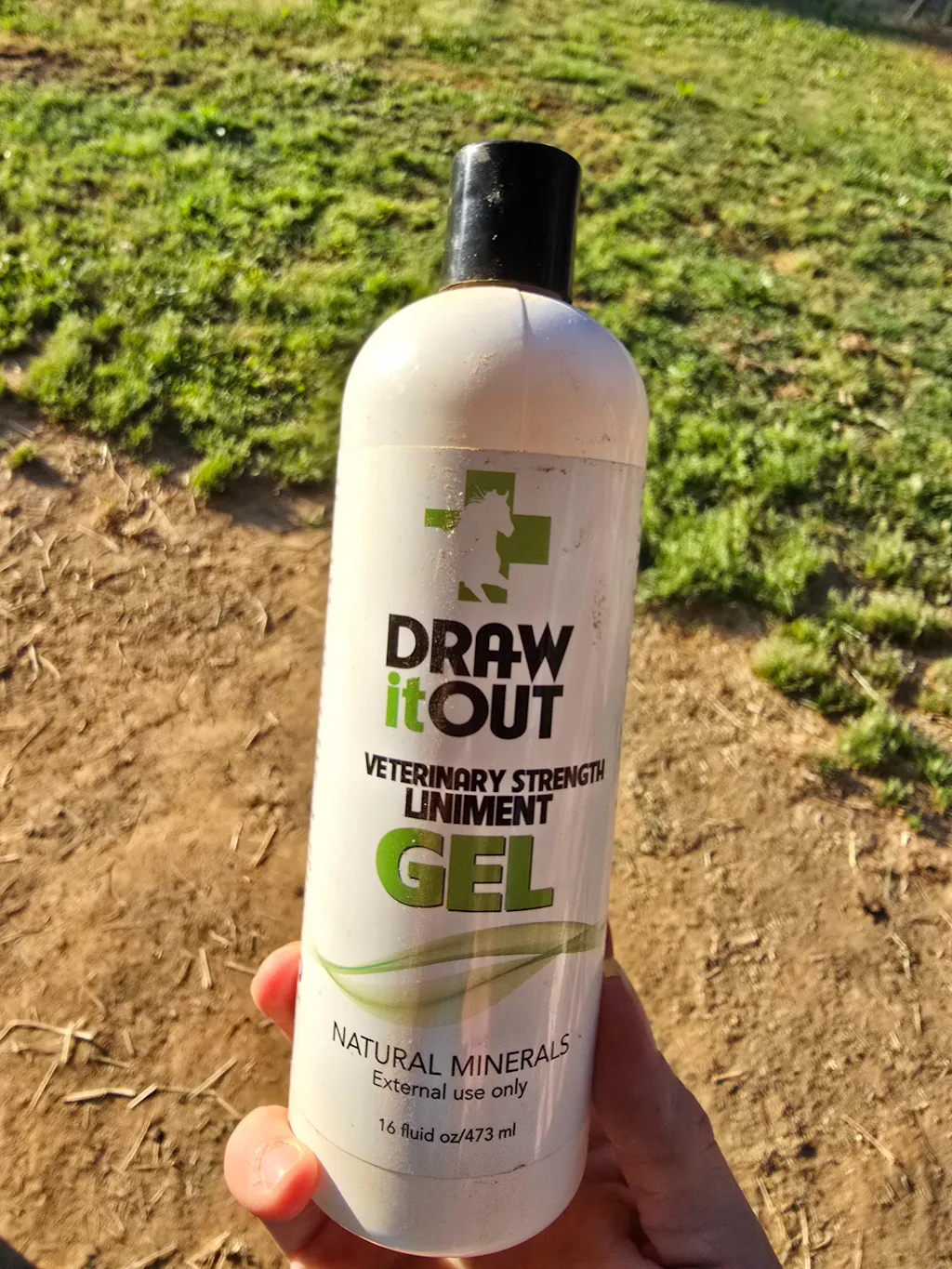
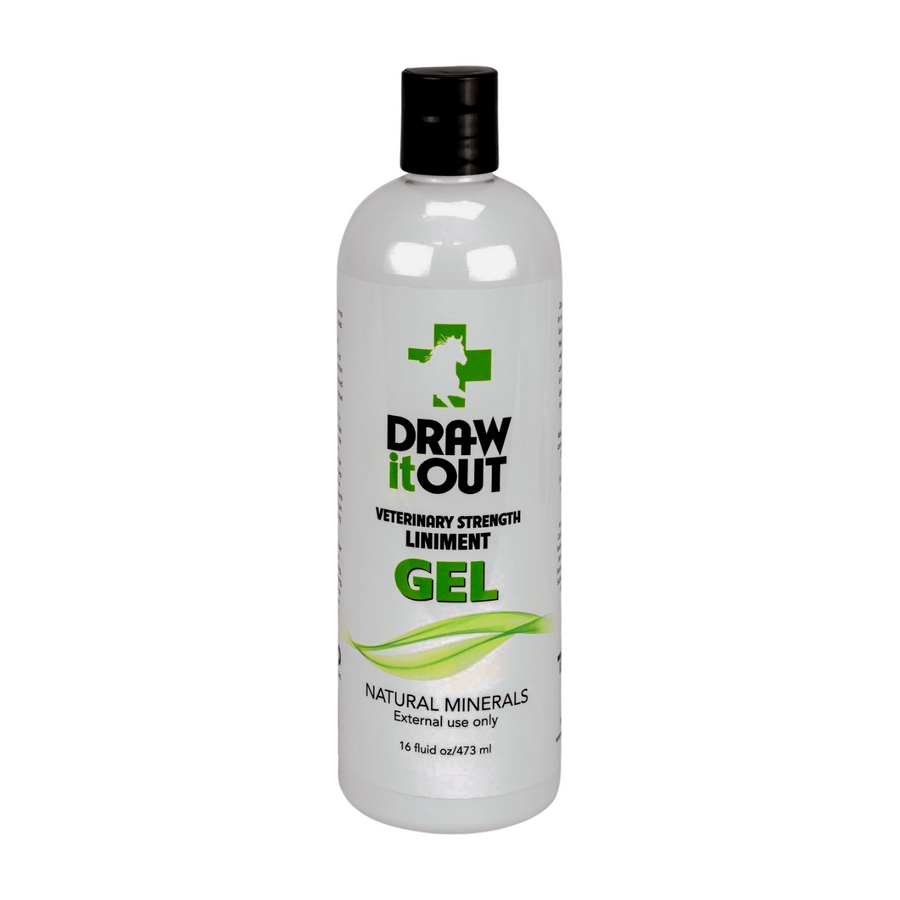
Draw It Out® 16oz liniment gel can fit routine leg and body care when the horse has been checked, is sound and acting normal, and the skin is clean, dry, and intact. It should not be framed as a way to prevent injury, reduce inflammation, stimulate circulation, or cover up warning signs.
The best use is practical: a thin, controlled layer where routine support fits, after the horse has been looked over.
The point of daily checks is not to make you nervous. It is to make the next right step obvious sooner.
Vet lane: Heat, swelling, pain, lameness, fever, or abnormal behavior means stop guessing.
Prehabilitation is not a slogan. It is the daily discipline of noticing small changes before they get expensive, painful, or complicated.
Daily leg care belongs in that system with warmup, cooldown, hoof care, turnout, hydration, footing decisions, and recovery checks.
Check heat, filling, cuts, rubs, boot marks, tendon-area sensitivity, hoof condition, skin changes, and movement changes. Compare left to right and before work to after work.
Both. Before work tells you what you are starting with. After work tells you how the horse handled the ride, footing, gear, and workload.
Liniment gel can fit daily routines when the horse is sound, acting normal, and the skin is clean, dry, and intact. Use a thin layer according to label directions and do not use product to hide warning signs.
Do not apply liniment gel to hot, swollen, painful, broken, irritated, dirty, or draining areas, or when the horse is lame, dull, feverish, or not acting normal without veterinary guidance.
Only wrap when you know why you are wrapping, can apply wraps correctly, and can recheck on schedule. Do not wrap over dirty skin, wounds, heat, sharp pain, or unexplained swelling.
Yes. Hoof balance, packed debris, loose shoes, cracks, frog condition, and sole sensitivity can all affect how the horse’s legs and body move.
Call your veterinarian for lameness, heat, swelling, sharp pain, one-sided changes, wounds with swelling, fever, dullness, or a horse that is not acting normal.
For controlled, targeted routine use on clean, dry, intact skin, Draw It Out® 16oz liniment gel is the practical starting point.
Look. Feel. Compare. Watch movement. Pick the feet. Clean the skin. Then use Draw It Out® where routine support actually fits.
Start Here
This article gives you the background. If you are ready to put the idea into a real horse care routine, these are the next three places most riders should go.
Simple rule: read the article for context, use the Solution Finder for direction, then build the routine around the product format your horse will actually use consistently.
Real Barn Proof
Real riders. Real horses. Real routines. These clips rotate automatically so the proof stays fresh without weighing the page down with a long feed.
Why this matters: good horse care should make sense outside the ad. These clips show the kind of everyday use that builds trust one barn at a time.
Further Reading
Horse care works better when the next step is clear. These related reads help connect today’s topic to better daily decisions in the barn.
May 21, 2026
Dry weather can turn normal riding ground into a harder surface than horses are used to. Here is a simple post-ride leg and hoof check for rea...
Read article
May 20, 2026
A practical warm-weather horse care routine for checking heat, sweat, breathing, legs, hydration, and recovery needs after untacking.
Read article
May 19, 2026
A practical horse health guide to checking girth-area sweat marks, hair flattening, rub risk, tack fit clues, and post-ride care before irrita...
Read articleStart with the principle, then build the habit. The right article should make the next barn decision easier, not more complicated.
Next Step
Simple care guides, practical product paths, and rider-trusted tools built for real horses and real routines.
Good care gets easier when the next step is obvious. Read the guide, match the routine, then choose the format that fits how your barn actually works.
Recovery Routine
Want a smarter way to think through post-ride care, heat, swelling, leg support, and daily recovery decisions? Start with the Performance Recovery Hub.
Better recovery starts with a repeatable routine. The hub gives riders a clearer path from workload to product format to aftercare timing.
Rider Favorites
Four core Draw It Out® staples riders keep close for daily recovery routines, wash rack use, targeted support, and quick barn-side care.
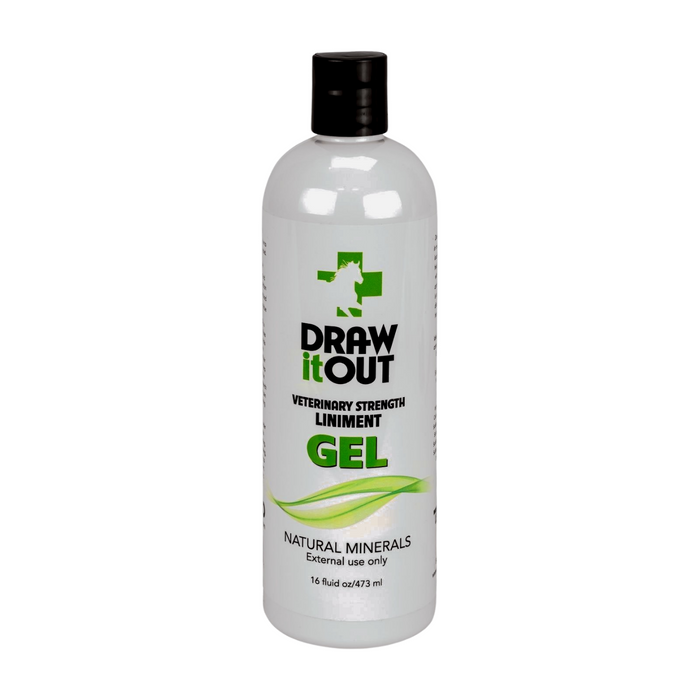
Stay-Put Gel
The everyday liniment gel format riders reach for when they want targeted, no-mess application.
View product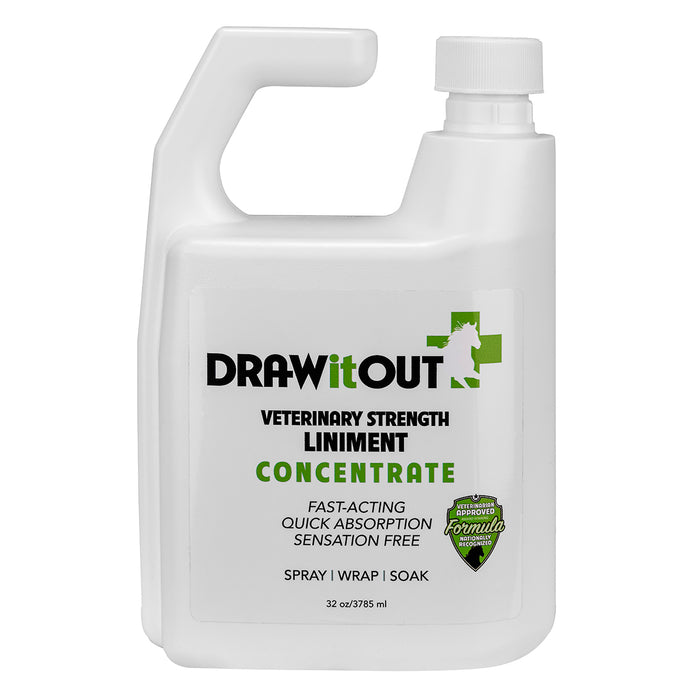
Mix Your Way
A flexible concentrate for riders who want to mix their own routine around workload and barn needs.
View product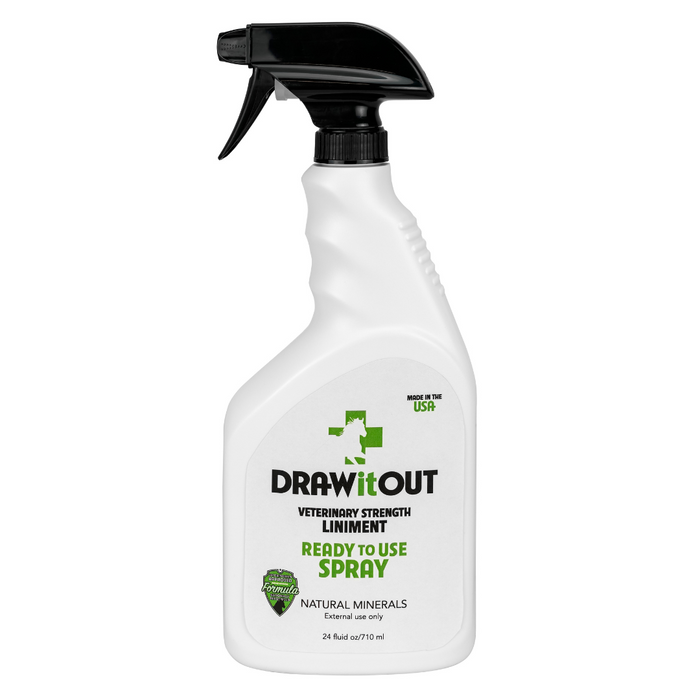
Ready To Use
A ready-to-use spray format for quick application after work, travel, turnout, or daily care.
View product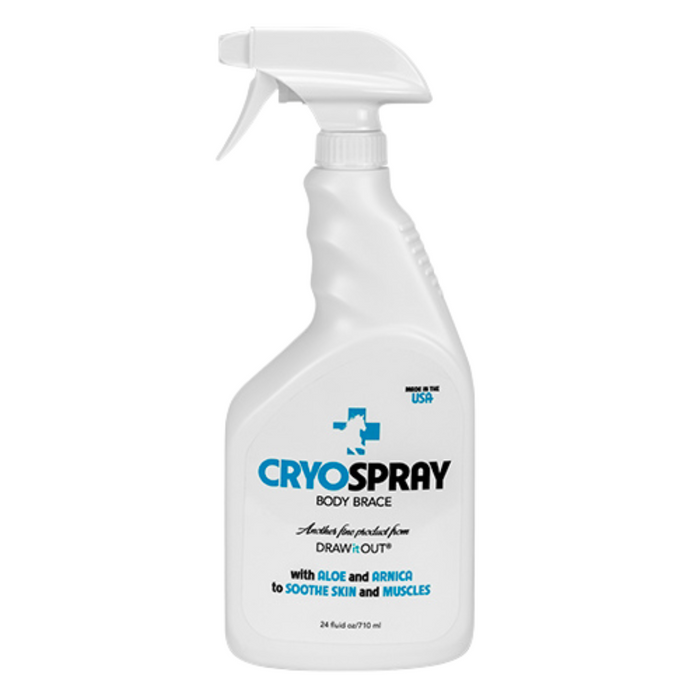
Cooling Brace
A cooling body brace spray for riders who want a fast, practical option after hard work or hot days.
View productFormat matters. Gel, concentrate, ready-to-use spray, and cooling spray each solve a different barn problem. Pick the one your routine will actually use.
!