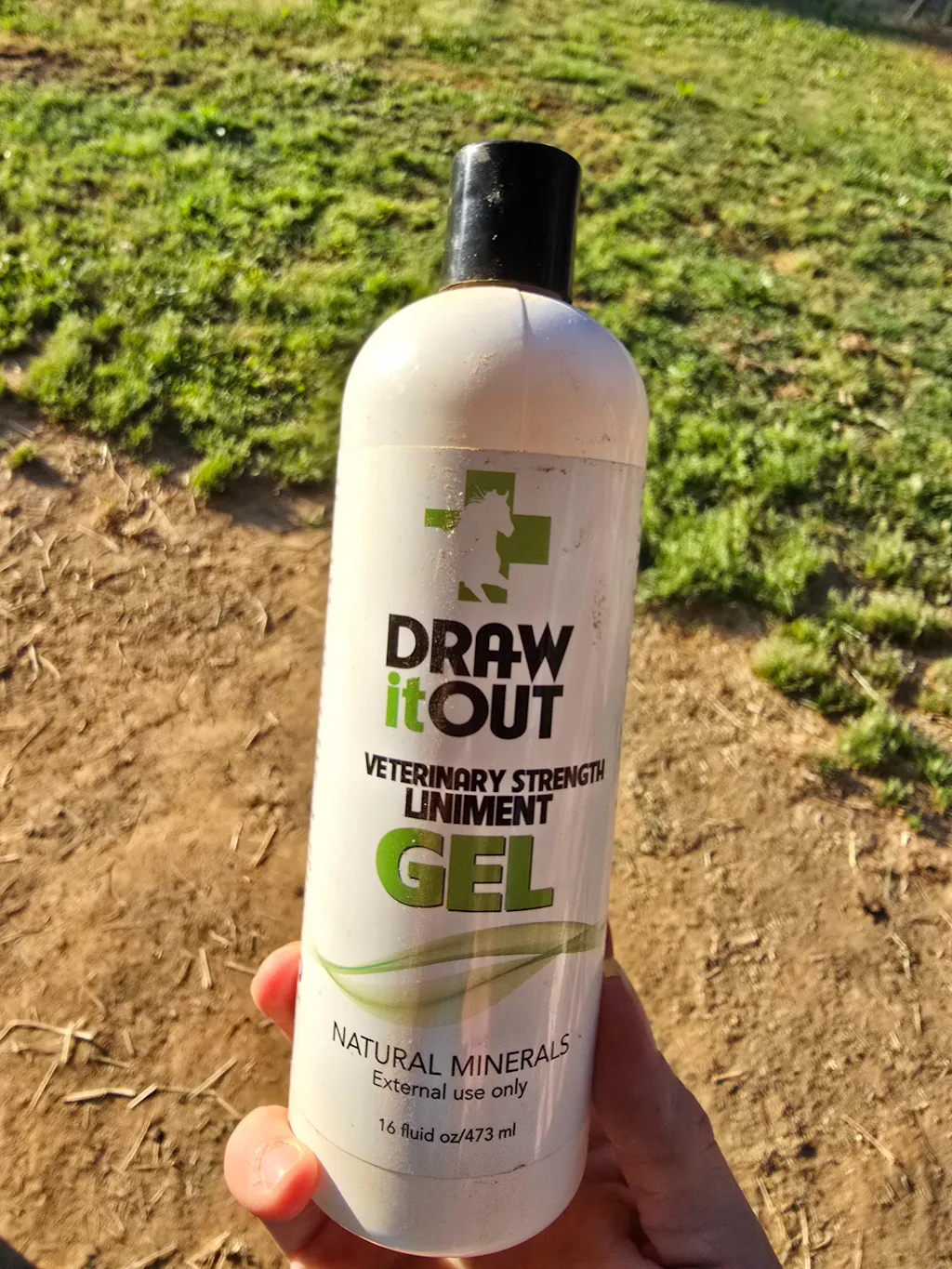
Daily recovery
Liniment Gels
Explore the Draw It Out® liniment gel lineup for everyday use, post-work routines, and targeted recovery support.
Shop liniment gels
Understanding Your Horse's Body Language: Decoding Equine Communication
Introduction:
Horses are magnificent creatures with a rich and complex language of their own. While they may not communicate through words like humans do, their bodies speak volumes. Understanding your horse's body language is crucial for building a strong bond, ensuring their well-being, and enhancing your equestrian partnership. In this in-depth article, we delve into the intricacies of equine body language, equipping you with the knowledge to interpret your horse's cues effectively.
Section 1: The Language of Ears (400 words)
Horses' ears are incredibly expressive and provide valuable insights into their emotional state. The positioning and movement of their ears can reveal a wide range of emotions and intentions. Erect and attentive ears indicate interest and focus, while pinned-back ears often signal aggression or discomfort. Half-alert ears may suggest that the horse is curious or unsure about something. Swiveling ears demonstrate the horse's ability to direct its attention to various stimuli. Understanding the nuances of ear positions and movements will help you gauge your horse's mood and respond accordingly.
Section 2: Eyes as Windows to the Soul (400 words)
The equine eye is not only a captivating feature but also a window into their emotions. A soft, relaxed eye indicates contentment, while a wide-eyed, tense expression may reflect fear or anxiety. Dilated pupils often accompany excitement or stress. Squinting or partially closed eyes can convey relaxation or discomfort. Blinking patterns can also offer valuable insights into your horse's state of mind. By closely observing your horse's eyes, you can gain a deeper understanding of their emotional well-being.
Section 3: The Power of Body Posture (500 words)
Horses communicate extensively through their body posture, utilizing various stances to convey different messages. A relaxed, weight-shifting stance suggests calmness, while a stiff and rigid posture signifies tension or unease. A lowered head often indicates relaxation, whereas a raised head with ears forward suggests alertness. The position of the neck, back, and legs can also reveal important information about your horse's physical and emotional state. By paying attention to your horse's overall body posture, you can accurately interpret their messages and respond appropriately.
Section 4: The Tale of the Tail (500 words)
The position and movement of a horse's tail are additional key indicators of their state of mind. A relaxed and gently swaying tail generally reflects a calm horse, while a clamped or tucked tail may suggest discomfort or fear. Vigorous tail flicking or wringing can indicate irritation or frustration. The height at which the tail is carried can also provide valuable clues about the horse's emotional well-being. By observing your horse's tail, you can gain insights into their level of relaxation and overall emotional state.
Section 5: Vocalizations and Facial Expressions (500 words)
While horses are generally silent animals, they do have vocalizations that convey certain messages. Snorts, whinnies, and nickerings are common vocal expressions used for communication. Each of these vocalizations carries its own meaning and can signify different emotions or needs. Equine facial expressions, such as a wrinkled muzzle or bared teeth, can also offer insights into their emotional state. Familiarizing yourself with these vocalizations and expressions will help you better understand your horse's needs and emotions.
Section 6: Individual Variations (500 words)
It is important to note that each horse has its own unique personality and body language preferences. Some horses may be more expressive or vocal than others, and it is essential to consider their individuality when interpreting their cues. Spending quality time with your horse, developing a strong bond, and observing their behavior patterns will enable you to become attuned to their specific body language. Understanding your horse as an individual will enhance your ability to communicate effectively and strengthen your partnership.
Conclusion:
Understanding your horse's body language is a fundamental aspect of horsemanship and an essential tool for effective communication. By observing their ears, eyes, body posture, tail, vocalizations, and facial expressions, you can decipher their emotions, needs, and level of comfort. This knowledge will not only help you build a deeper connection with your horse but also ensure their well-being and enhance your equestrian journey. Remember, the more you invest in learning their language, the stronger your equine partnership will become.
This article gives you the background. If you are ready to put the idea into a real horse care routine, these are the next places most riders should go.
Explore the Draw It Out® liniment gel lineup for everyday use, post-work routines, and targeted recovery support.
Shop liniment gelsMatch your horse’s workload, age, routine, and care goals to the Draw It Out® products that make the most sense.
Use the finderLearn how riders support soundness, comfort, and consistency before little issues become bigger problems.
Read the guideReal Barn Proof
Real riders. Real horses. Real routines. These clips rotate automatically so the proof stays fresh without weighing the page down with a long feed.
Why this matters: good horse care should make sense outside the ad. These clips show the kind of everyday use that builds trust one barn at a time.
Further Reading
Horse care works better when the next step is clear. These related reads help connect today’s topic to better daily decisions in the barn.
Jun 05, 2026
A practical horse health guide for checking heat, swelling, digital pulse, feet, movement, and recovery response after riding on hard ground.
Read article
Jun 05, 2026
A practical barn recovery kit helps riders choose the right product quickly. This guide builds a simple Draw It Out® care kit.
Read article
Jun 04, 2026
A practical horse health guide for hot weather riding, hydration awareness, recovery checks, cooling routines, and when heat stress concerns n...
Read articleStart with the principle, then build the habit. The right article should make the next barn decision easier, not more complicated.
Next Step
Simple care guides, practical product paths, and rider-trusted tools built for real horses and real routines.
Good care gets easier when the next step is obvious. Read the guide, match the routine, then choose the format that fits how your barn actually works.
Recovery Routine
Want a smarter way to think through post-ride care, heat, swelling, leg support, and daily recovery decisions? Start with the Performance Recovery Hub.
Better recovery starts with a repeatable routine. The hub gives riders a clearer path from workload to product format to aftercare timing.
Rider Favorites
Four core Draw It Out® staples riders keep close for daily recovery routines, wash rack use, targeted support, and quick barn-side care.
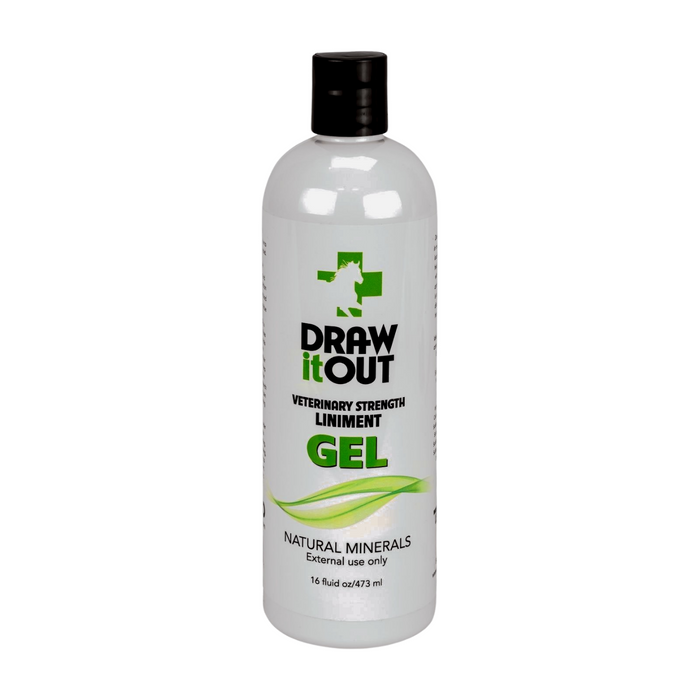
Stay-Put Gel
The everyday liniment gel format riders reach for when they want targeted, no-mess application.
View product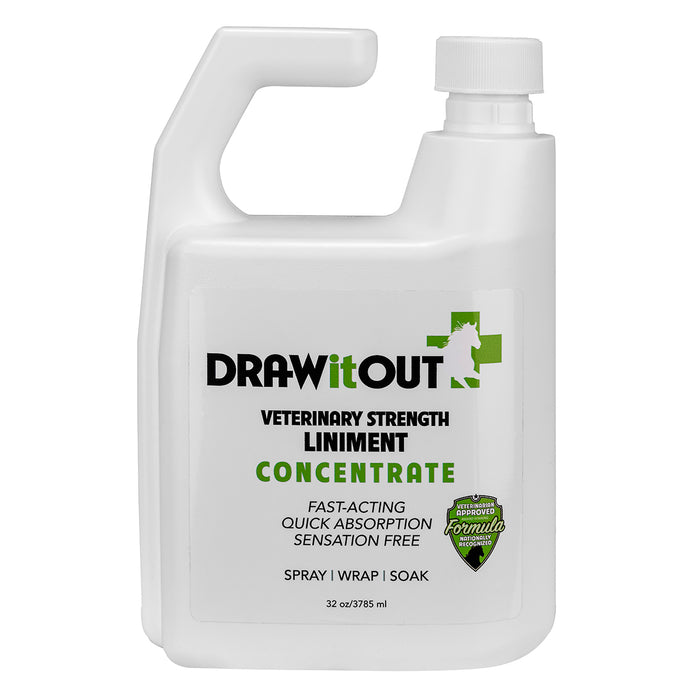
Mix Your Way
A flexible concentrate for riders who want to mix their own routine around workload and barn needs.
View product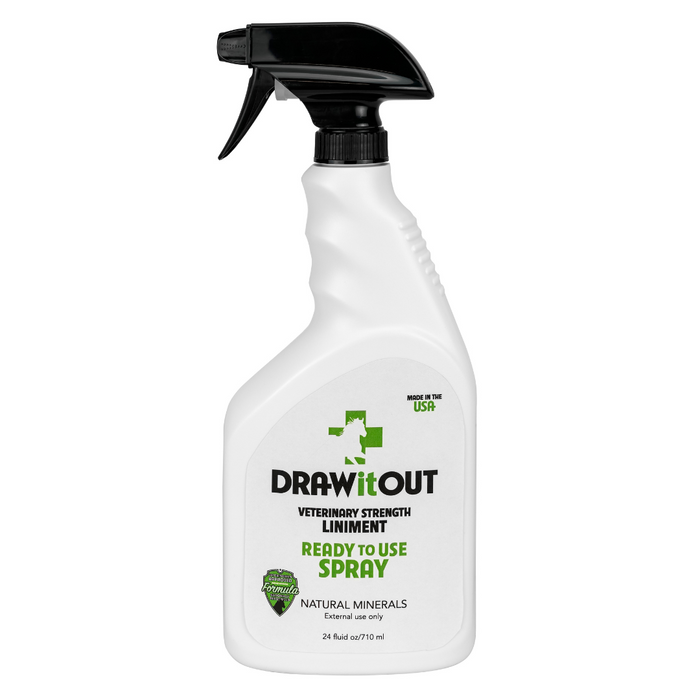
Ready To Use
A ready-to-use spray format for quick application after work, travel, turnout, or daily care.
View product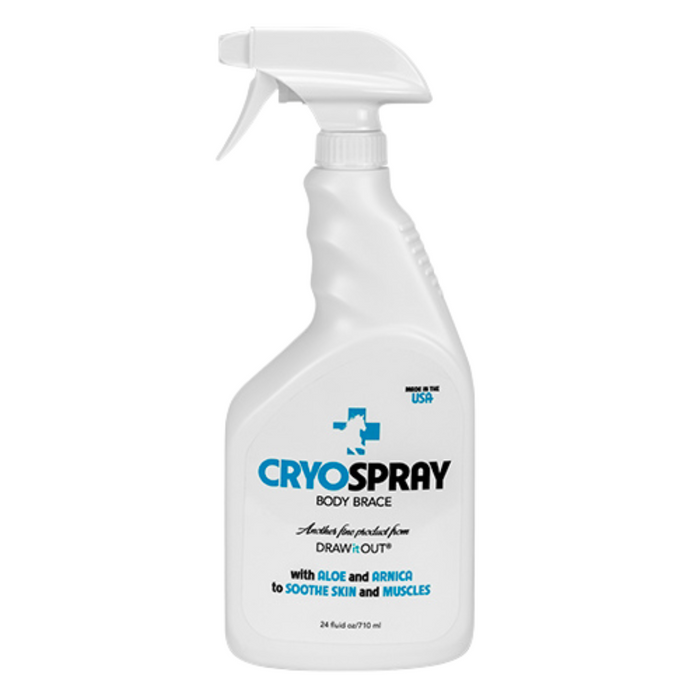
Cooling Brace
A cooling body brace spray for riders who want a fast, practical option after hard work or hot days.
View productFormat matters. Gel, concentrate, ready-to-use spray, and cooling spray each solve a different barn problem. Pick the one your routine will actually use.
!