What old recipes tried to do
Create a temporary paste, cover, or drawing-style routine under specific supervision.

Hoof care safety guide
Old barn recipes exist. That does not make them a modern recommendation. Hoof pain gets inspected, cleaned, and handed to the right professional before anyone starts mixing things in a bucket.
Quick answer: Draw It Out® does not recommend random sugar and liniment hoof mixtures as a default routine. Hoof pain, suspected abscesses, thrush, drainage, puncture wounds, strong odor, heat, swelling, or lameness should involve your veterinarian or farrier before any homemade hoof paste is considered.
The hoof needs a decision, not a recipe.
Old barn recipes often come from a time when riders used what they had on hand. Sugar pastes, poultices, wraps, and soaking routines have all existed in barns for a long time. Some were passed down by farriers, horsemen, and veterinarians in very specific situations.
The problem is not that old recipes exist. The problem is when a rider turns a context-specific idea into a default routine for hoof pain, suspected abscesses, thrush, bruising, drainage, or puncture concerns.
Clean frame: History is not the same thing as instruction.
Create a temporary paste, cover, or drawing-style routine under specific supervision.
Riders copy ratios, improvise ingredients, wrap too tightly, trap moisture, or delay calling for help.
Hoof pain can involve abscesses, bruising, laminitis, punctures, cracks, infection, shoeing problems, or deeper issues.
Clean the foot, inspect carefully, involve the vet or farrier, and use products according to directions.
A homemade hoof paste can look simple, but the variables stack quickly. Sugar, liquid, hoof moisture, skin condition, wraps, time, pressure, dirt, bedding, and drainage all matter. When the cause is unclear, a mixture can confuse the situation instead of clarifying it.
Plain answer: Hoof pain is not kitchen chemistry. It is a reason to inspect, clean, and call the right person early.
Some hoof problems are minor. Some are not. The problem is that a rider may not know which one they are looking at until a professional checks it.
Do not wait for “the paste to work” when the horse is lame or painful.
A better hoof-care routine starts with inspection, cleanliness, and the right professional lane.
| Situation | Better first move | Why |
|---|---|---|
| Daily hoof hygiene | Pick feet, keep bedding clean, monitor odor, frog, white line, and cracks | Most hoof care starts with consistency. |
| Surface hoof hygiene support | Use a product designed for hoof hygiene, following directions | Product-specific directions beat random mixtures. |
| Suspected abscess or lameness | Call veterinarian or farrier | Diagnosis and drainage decisions should not be guessed at. |
| Puncture wound concern | Call veterinarian immediately | Punctures can be serious and should not be covered or delayed. |
| Recurring hoof problems | Review farrier cycle, footing, hygiene, nutrition, and veterinary input | Recurring issues usually have a bigger management cause. |
Draw It Out® Concentrate belongs in mix-as-directed routines where the product label, official mix guidance, or professional instruction supports the use. It does not belong in homemade hoof paste recipes as a default recommendation.
When the need is routine hoof hygiene support, use a hoof-care product in the hoof-care lane. SilverHoof EQ Therapy® exists for hoof hygiene routines where product directions fit the situation.
It should not be used to replace veterinary or farrier care for lameness, punctures, drainage, strong hoof pain, suspected abscesses, or systemic signs.
Prehabilitation is not doing more random routines. It is building better observation. Pick the feet. Keep footing and bedding cleaner. Watch farrier timing. Notice odor, cracks, white line changes, frog condition, sole tenderness, and movement changes.
That is better care than a mystery paste.
Draw It Out® does not recommend random sugar and liniment hoof mixtures as a default routine. Hoof pain, lameness, drainage, puncture concerns, or suspected abscesses should involve your veterinarian or farrier.
Some older recipes used sugar as part of paste-style or dressing routines in specific situations. That history does not make it a modern default recommendation for hoof pain or infection concerns.
Do not treat a suspected abscess as a homemade paste problem. Hoof pain, lameness, drainage, strong digital pulse, or suspected abscess should involve your veterinarian or farrier.
Do not mix products into homemade hoof paste recipes unless your veterinarian or farrier specifically directs that use. Follow product-specific directions instead.
Pick and inspect the hoof, check soundness, look for heat, swelling, drainage, punctures, odor, or severe pain, and contact your veterinarian or farrier when warning signs are present.
Call for lameness, strong hoof pain, reluctance to bear weight, drainage, puncture concern, foul odor, strong digital pulse, heat, swelling, fever, dullness, poor appetite, or a horse that is not acting normal.
Use SilverHoof EQ Therapy® for routine hoof hygiene support where product directions fit the situation. Do not use it as a replacement for professional care when pain, lameness, wounds, drainage, or suspected abscesses are present.
Read the Hoof Soak Safety Guide for clean soaking boundaries, or shop the Hoof Care collection for product-specific hoof hygiene options.
Clean the hoof. Inspect carefully. Call the right professional when pain, lameness, drainage, puncture concern, heat, swelling, or suspected abscess is part of the story. Use Draw It Out® products by their directions, not by rumor.
Start Here
This article gives you the background. If you are ready to put the idea into a real horse care routine, these are the next three places most riders should go.
Simple rule: read the article for context, use the Solution Finder for direction, then build the routine around the product format your horse will actually use consistently.
Real Barn Proof
Real riders. Real horses. Real routines. These clips rotate automatically so the proof stays fresh without weighing the page down with a long feed.
Why this matters: good horse care should make sense outside the ad. These clips show the kind of everyday use that builds trust one barn at a time.
Further Reading
Horse care works better when the next step is clear. These related reads help connect today’s topic to better daily decisions in the barn.
Jun 04, 2026
A practical horse first-aid kit guide for real barns, including when a stay-put horse skin salve like RESTOREaHORSE® makes sense and when to c...
Read article
Jun 04, 2026
A practical guide to choosing a horse skin salve instead of a spray when targeted, stay-put topical coverage matters in the barn.
Read article
Jun 03, 2026
A practical horse health routine for checking breathing, sweat, legs, hydration, and recovery when a horse cools out slowly after hot weather ...
Read articleStart with the principle, then build the habit. The right article should make the next barn decision easier, not more complicated.
Next Step
Simple care guides, practical product paths, and rider-trusted tools built for real horses and real routines.
Good care gets easier when the next step is obvious. Read the guide, match the routine, then choose the format that fits how your barn actually works.
Recovery Routine
Want a smarter way to think through post-ride care, heat, swelling, leg support, and daily recovery decisions? Start with the Performance Recovery Hub.
Better recovery starts with a repeatable routine. The hub gives riders a clearer path from workload to product format to aftercare timing.
Rider Favorites
Four core Draw It Out® staples riders keep close for daily recovery routines, wash rack use, targeted support, and quick barn-side care.
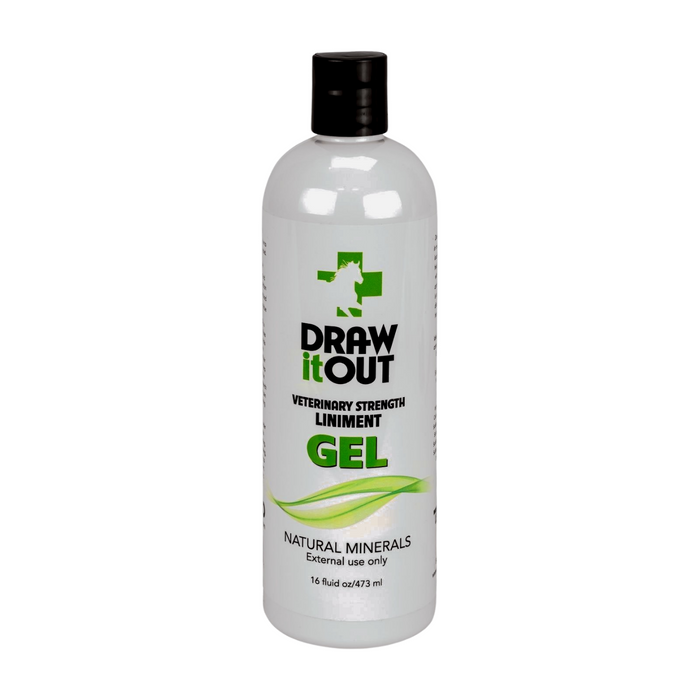
Stay-Put Gel
The everyday liniment gel format riders reach for when they want targeted, no-mess application.
View product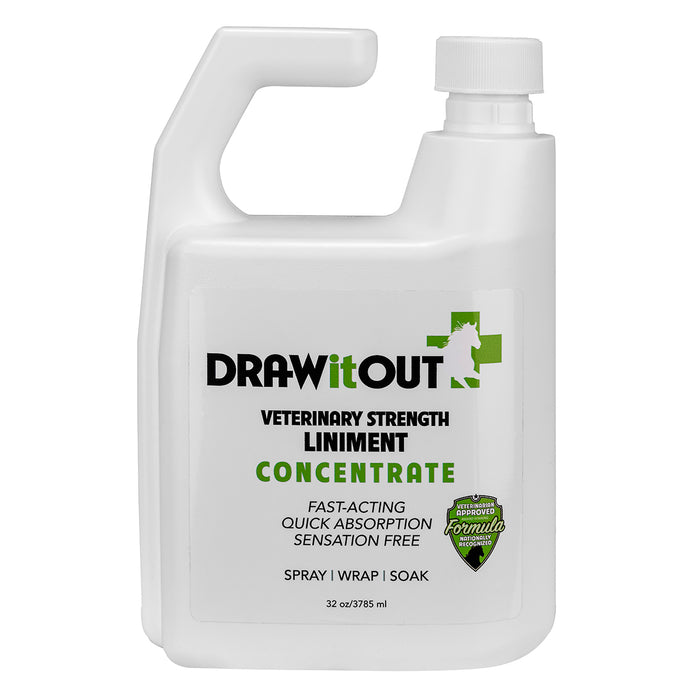
Mix Your Way
A flexible concentrate for riders who want to mix their own routine around workload and barn needs.
View product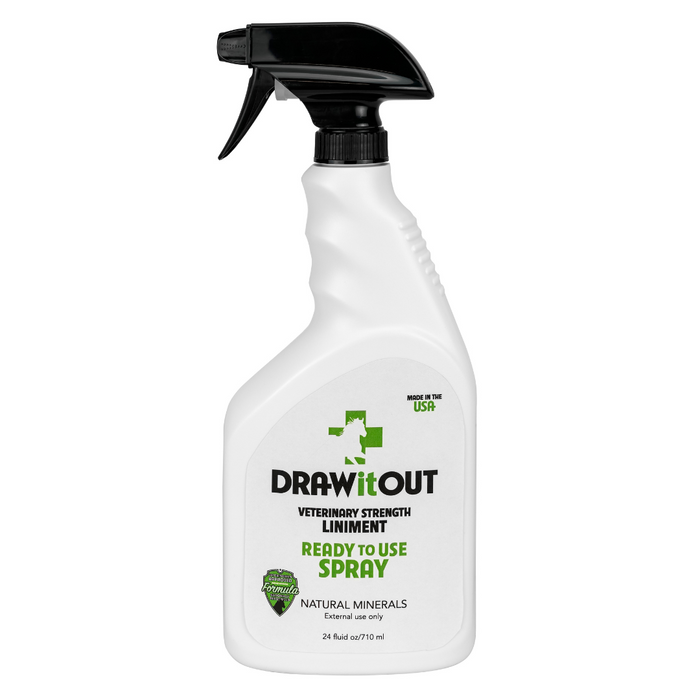
Ready To Use
A ready-to-use spray format for quick application after work, travel, turnout, or daily care.
View product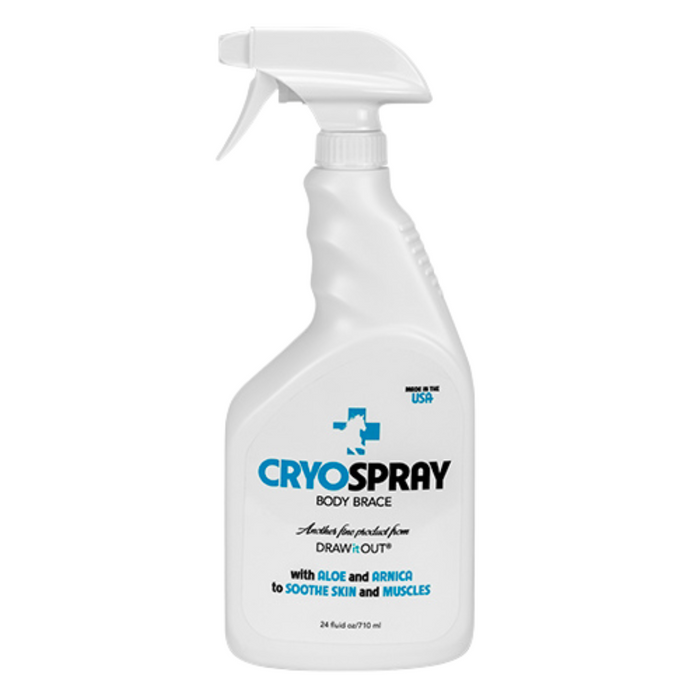
Cooling Brace
A cooling body brace spray for riders who want a fast, practical option after hard work or hot days.
View productFormat matters. Gel, concentrate, ready-to-use spray, and cooling spray each solve a different barn problem. Pick the one your routine will actually use.
!