Daily recovery
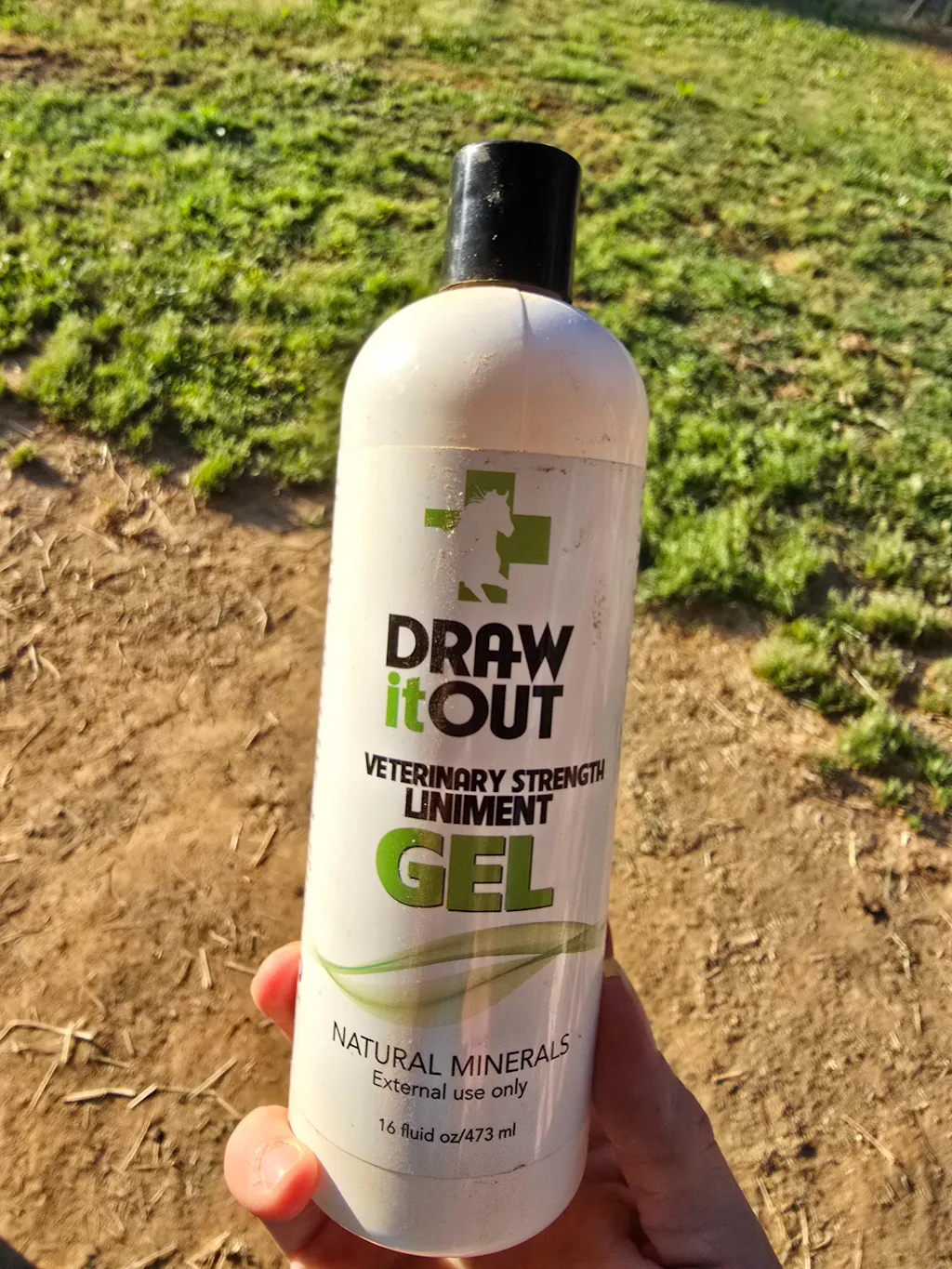
Liniment Gels
Explore the Draw It Out® liniment gel lineup for everyday use, post-work routines, and targeted recovery support.
Shop liniment gels
Managing Heaves in Horses: A Comprehensive Guide to Respiratory Health
Introduction:
Heaves, also known as recurrent airway obstruction (RAO) or equine asthma, is a prevalent respiratory condition that can significantly impact the health and performance of horses. This comprehensive guide aims to provide horse owners and caretakers with a thorough understanding of heaves, including its causes, symptoms, diagnosis, prevention, and treatment options.
Section 1: Understanding Heaves
Heaves is a chronic respiratory condition characterized by airway inflammation and breathing difficulties in horses. This section explains the pathophysiology of heaves, the different types of heaves, and the risk factors associated with its development. It also highlights the negative impact heaves can have on a horse's overall health and athletic performance.
Section 2: Recognizing Symptoms and Early Detection
Recognizing the signs of heaves is essential for early detection and intervention. This section discusses the common clinical signs associated with heaves, both obvious and subtle, and provides insights into differentiating heaves from other respiratory conditions. Emphasizing the importance of early detection, the section highlights the benefits of prompt intervention.
Section 3: Diagnostic Procedures
Accurate diagnosis is crucial for effective management of heaves. This section explains the diagnostic procedures used by veterinarians to confirm heaves, such as medical history evaluation, physical examination, pulmonary function testing, bronchoalveolar lavage (BAL), radiography, ultrasonography, and blood tests. It emphasizes the significance of these tests in assessing lung function and identifying underlying causes.
Section 4: Environmental Management Strategies
Minimizing a horse's exposure to respiratory irritants is vital in managing heaves. This section provides detailed guidance on stable design and management practices that promote good air quality, such as proper ventilation, dust control measures, and storage of hay and bedding. It also highlights the importance of turnout management during seasons when allergen exposure is high.
Section 5: Nutritional Considerations and Diet Modifications
Proper nutrition plays a crucial role in supporting horses with heaves. This section explores dietary adjustments that can alleviate respiratory symptoms, including the use of low-dust forage alternatives, soaking hay, and balancing nutrient intake. It also discusses the potential benefits of antioxidant-rich supplements for respiratory health.
Section 6: Medication and Supplement Options
Medications and supplements can help manage inflammation and alleviate symptoms in horses with heaves. This section provides an overview of commonly prescribed medications, such as bronchodilators, corticosteroids, and antihistamines. It also explores the use of inhalation therapy and highlights the potential benefits of herbal supplements and nutraceuticals.
Section 7: Exercise and Turnout Recommendations
Regular exercise and appropriate turnout are essential for maintaining respiratory health in horses with heaves. This section discusses the importance of exercise in improving lung function and offers guidance on designing a suitable exercise program. It also provides recommendations for managing respiratory distress during exercise and highlights the impact of environmental factors on turnout practices.
Section 8: Long-Term Management Strategies
Heaves requires ongoing management for optimal control. This section emphasizes the importance of collaboration with a veterinarian to develop an individualized management plan. It explores monitoring techniques, seasonal adjustments, and lifestyle modifications to minimize allergen exposure. It also discusses evaluating treatment success and adjusting management strategies accordingly.
Section 9: Supportive Care and Alternative Therapies
Complementary therapies can provide additional support for horses with heaves. This section explores respiratory rehabilitation programs, physiotherapy exercises, and alternative approaches such as acupuncture, homeopathy, and herbal remedies. It also introduces immunotherapy as a potential avenue for long-term management.
Section 10: Coping with Acute Episodes and Emergency Management
Acute exacerbations of heaves may require emergency management. This section provides guidance on recognizing emergency situations, stabilizing the horse during acute episodes, and effective communication with a veterinarian during emergencies. It also touches on hospitalization and intensive care options for severe cases.
Section 11: Preventive Measures and Future Research
Prevention is key to minimizing the risk of heaves. This section discusses preventive strategies, including vaccination and breeding considerations. It also highlights ongoing research efforts and potential future advancements in heaves management.
Conclusion:
Managing heaves in horses requires a comprehensive approach that encompasses environmental control, dietary adjustments, medication when necessary, and a well-structured exercise program. By adopting proper management practices, horse owners and caretakers can minimize the impact of heaves on equine health, optimize respiratory function, and improve the overall quality of life for affected horses. Always consult with a qualified veterinarian for accurate diagnosis, treatment, and ongoing management strategies tailored to your horse's specific needs.
This article gives you the background. If you are ready to put the idea into a real horse care routine, these are the next places most riders should go.
Explore the Draw It Out® liniment gel lineup for everyday use, post-work routines, and targeted recovery support.
Shop liniment gelsMatch your horse’s workload, age, routine, and care goals to the Draw It Out® products that make the most sense.
Use the finderLearn how riders support soundness, comfort, and consistency before little issues become bigger problems.
Read the guideReal Barn Proof
Real riders. Real horses. Real routines. These clips rotate automatically so the proof stays fresh without weighing the page down with a long feed.
Why this matters: good horse care should make sense outside the ad. These clips show the kind of everyday use that builds trust one barn at a time.
Further Reading
Horse care works better when the next step is clear. These related reads help connect today’s topic to better daily decisions in the barn.

Jun 01, 2026
A full Draw it Out Horse Health Care News guide to grullo horses, including grullo vs grulla, dun genetics, dorsal stripes, primitive markings...
Read article
Jun 01, 2026
Choosing a horse liniment gel without menthol or alcohol starts with comfort, control, and routine fit. This guide helps riders choose a pract...
Read article
May 31, 2026
A practical horse health guide for checking tack, body comfort, workload, hydration, legs, hooves, and routine changes when a horse acts diffe...
Read articleStart with the principle, then build the habit. The right article should make the next barn decision easier, not more complicated.
Next Step
Simple care guides, practical product paths, and rider-trusted tools built for real horses and real routines.
Good care gets easier when the next step is obvious. Read the guide, match the routine, then choose the format that fits how your barn actually works.
Recovery Routine
Want a smarter way to think through post-ride care, heat, swelling, leg support, and daily recovery decisions? Start with the Performance Recovery Hub.
Better recovery starts with a repeatable routine. The hub gives riders a clearer path from workload to product format to aftercare timing.
Rider Favorites
Four core Draw It Out® staples riders keep close for daily recovery routines, wash rack use, targeted support, and quick barn-side care.

Stay-Put Gel
The everyday liniment gel format riders reach for when they want targeted, no-mess application.
View product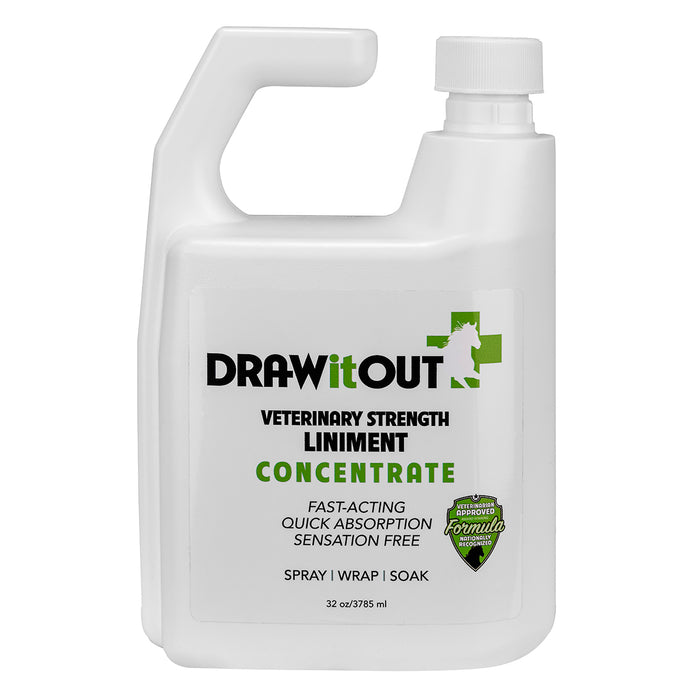
Mix Your Way
A flexible concentrate for riders who want to mix their own routine around workload and barn needs.
View product
Ready To Use
A ready-to-use spray format for quick application after work, travel, turnout, or daily care.
View product
Cooling Brace
A cooling body brace spray for riders who want a fast, practical option after hard work or hot days.
View productFormat matters. Gel, concentrate, ready-to-use spray, and cooling spray each solve a different barn problem. Pick the one your routine will actually use.
!