

Daily recovery
Liniment Gels
Explore the Draw It Out® liniment gel lineup for everyday use, post-work routines, and targeted recovery support.
Shop liniment gels
A long trailer ride can leave a horse stiff, stocked up, tight, dehydrated, or simply travel tired. Do not saddle first and explain later. Check the horse in front of you before you ride.
If your horse feels stiff after a long trailer ride, do not just saddle up and hope the first few circles fix it. Start with attitude, hydration, legs, feet, back, and a short walk-off check before deciding whether the horse is ready to ride.
Hauling is work, even when the horse stands quietly the whole way. A horse has to balance through turns, brace through stops, stand on vibration, handle heat, and sometimes drink less than normal. By the time you unload, what looks like simple stiffness may be normal travel fatigue, mild stocking up, hoof soreness, back tension, dehydration, or an injury that needs a veterinarian.
Before you pull the horse off the trailer, look at the whole picture. Is the horse alert? Sweaty? Dull? Scrambling? Standing square? Leaning hard on one side? Did the trailer ride include hard braking, rough roads, heat, or a long delay?
Once the horse is unloaded, pause before tying short, throwing tack on, or rushing to warm-up. Let the horse stand in a safe spot and settle. Watch the breathing, eyes, ears, expression, and how evenly the horse carries weight.
Run your hands down each leg before you decide stiffness is harmless. Compare left to right. Feel for heat, swelling, cuts, filling around the fetlock, stocking up above the pastern, and sensitivity when you touch tendons or joints.
A little filling after standing in a trailer can happen, especially in horses that stock up when stalled or hauled. But new heat, one-sided swelling, sharp sensitivity, a wound near a joint, or uneven weight-bearing deserves more respect.
Walk the horse in hand before riding. Give the horse a few quiet minutes on safe footing and watch the pattern. Does the horse improve after easy walking? Is the stiffness even on both sides or worse on one leg? Is there toe dragging, short-stepping, head bobbing, reluctance to turn, or soreness through the back or shoulder?
Symmetrical stiffness that loosens with easy movement is a different problem than one-sided lameness. If the horse is clearly lame, do not ride. If movement gets worse instead of better, stop and reassess.
Travel stiffness is not always just muscle and joints. Check water intake, manure output, gum color, attitude, appetite, and recovery. A horse that is stiff, dull, not drinking, not passing manure, or acting colicky needs veterinary attention, not another product and a hopeful warm-up.
If the horse is sound enough for routine care and you are dealing with normal travel tightness, a simple topical routine can help you stay consistent. Use Draw It Out® 16oz Liniment Gel for targeted post-haul leg, shoulder, back, or hip care after your hands-on check.
For larger barns, repeated hauling, or wrap-based routines, Draw It Out® 32oz Liniment Concentrate gives you a mix-to-use option for wash-downs, leg care, and daily maintenance routines. If the issue is more foot-focused, inspect the hoof before reaching for a leg routine. For ongoing hoof and skin care around the foot, Silver Hoof EQ Therapy® belongs in the conversation.
Call your veterinarian if the horse is non-weight-bearing, clearly lame, painful to the touch, has significant swelling, has a wound near a joint, develops hives or breathing changes, shows colic signs, has abnormal gum color, has a strong digital pulse with foot pain, or does not improve with rest and careful observation.
There is no shame in scratching. There is shame in knowing something is wrong and asking the horse to cover for you anyway.
Some mild stiffness can happen after a long trailer ride because the horse has been balancing, standing, and bracing. It should improve with quiet movement. Clear lameness, swelling, heat, or worsening movement is not something to ignore.
Only after a hands-on check and a quiet walk-off show the horse is comfortable and moving evenly. Do not ride through one-sided lameness, obvious pain, significant swelling, or abnormal behavior.
Start with attitude, hydration, legs, feet, and movement. Check for heat, swelling, cuts, hoof issues, digital pulse changes, dullness, and any unevenness at the walk.
This article is educational and does not replace veterinary diagnosis or treatment. When in doubt, call your veterinarian.
This article gives you the background. If you are ready to put the idea into a real horse care routine, these are the next places most riders should go.
Explore the Draw It Out® liniment gel lineup for everyday use, post-work routines, and targeted recovery support.
Shop liniment gelsMatch your horse’s workload, age, routine, and care goals to the Draw It Out® products that make the most sense.
Use the finderLearn how riders support soundness, comfort, and consistency before little issues become bigger problems.
Read the guideReal Barn Proof
Real riders. Real horses. Real routines. These clips rotate automatically so the proof stays fresh without weighing the page down with a long feed.
Why this matters: good horse care should make sense outside the ad. These clips show the kind of everyday use that builds trust one barn at a time.
Further Reading
Horse care works better when the next step is clear. These related reads help connect today’s topic to better daily decisions in the barn.

Jul 06, 2026
A Draw It Out® Horse Health Care News article explaining why a menthol-free, odorless liniment lane matters for daily-use barn recovery routines.
Read article
Jul 06, 2026
Made in America matters. But horse care should also be family-owned, founder-led, and built with ingredients chosen for the horse — not shareh...
Read article
Jul 06, 2026
A practical horse health guide for mane rubs after fly gear: fit, seams, sweat, dirt, skin checks, and when to call the vet.
Read articleStart with the principle, then build the habit. The right article should make the next barn decision easier, not more complicated.
Next Step
Simple care guides, practical product paths, and rider-trusted tools built for real horses and real routines.
Good care gets easier when the next step is obvious. Read the guide, match the routine, then choose the format that fits how your barn actually works.
Recovery Routine
Want a smarter way to think through post-ride care, heat, swelling, leg support, and daily recovery decisions? Start with the Performance Recovery Hub.
Better recovery starts with a repeatable routine. The hub gives riders a clearer path from workload to product format to aftercare timing.
Rider Favorites
Four core Draw It Out® staples riders keep close for daily recovery routines, wash rack use, targeted support, and quick barn-side care.
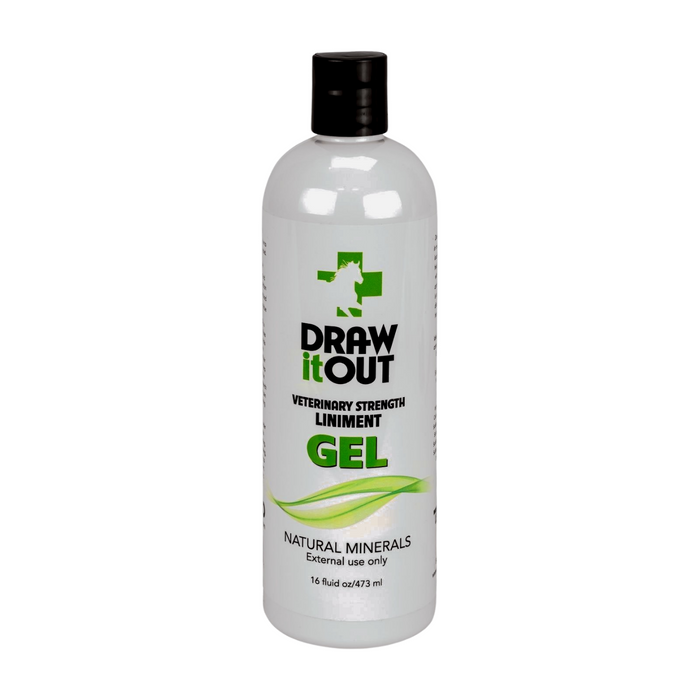
Stay-Put Gel
The everyday liniment gel format riders reach for when they want targeted, no-mess application.
View product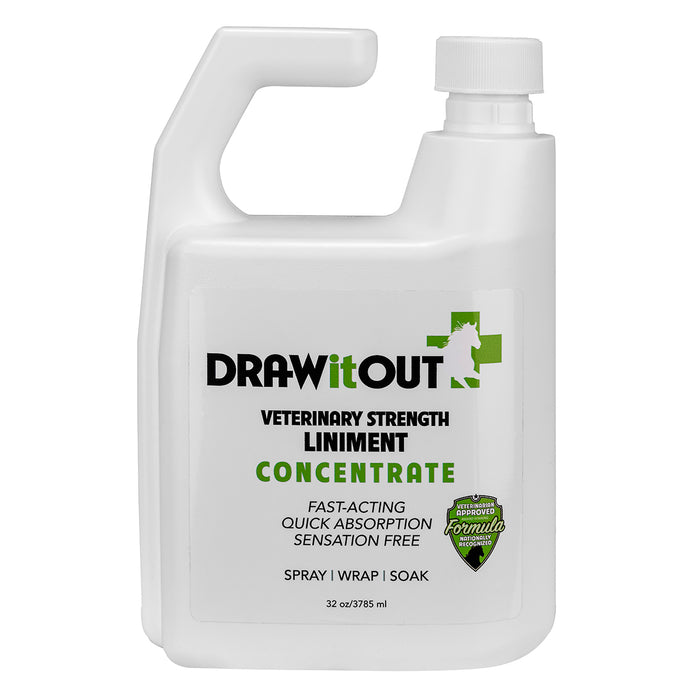
Mix Your Way
A flexible concentrate for riders who want to mix their own routine around workload and barn needs.
View product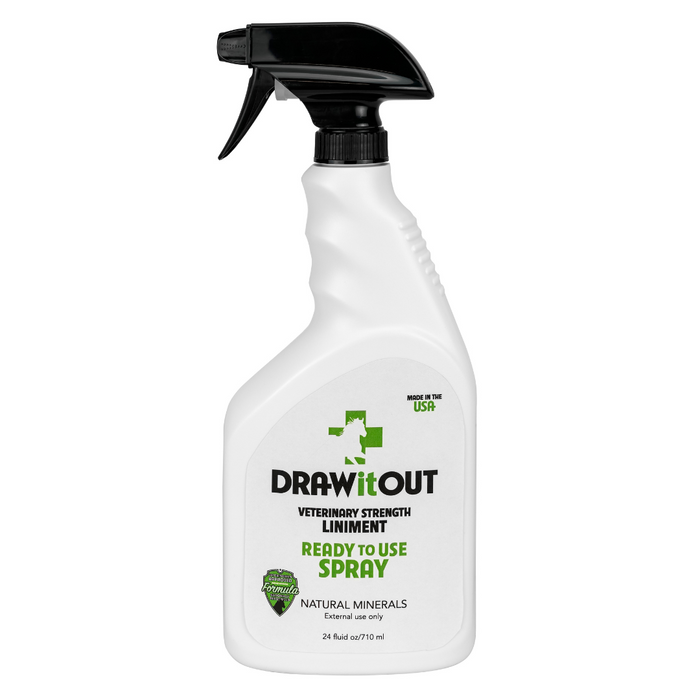
Ready To Use
A ready-to-use spray format for quick application after work, travel, turnout, or daily care.
View product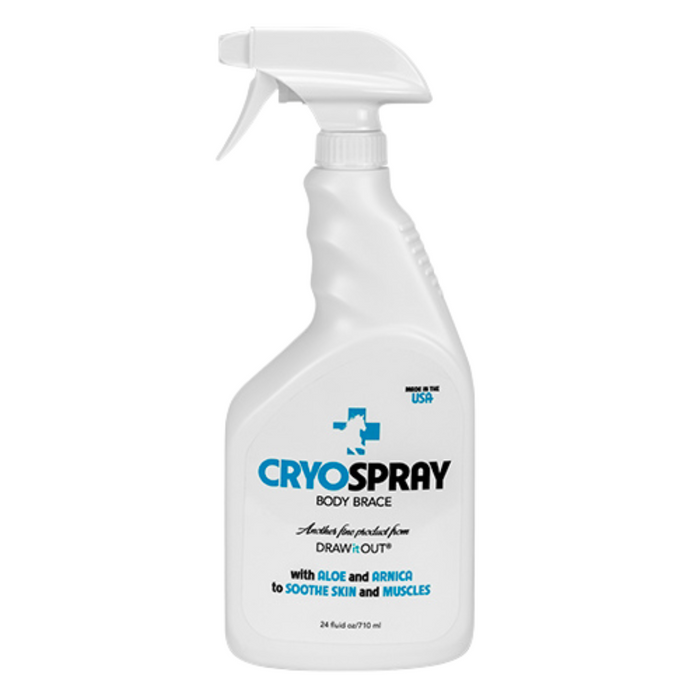
Cooling Brace
A cooling body brace spray for riders who want a fast, practical option after hard work or hot days.
View productFormat matters. Gel, concentrate, ready-to-use spray, and cooling spray each solve a different barn problem. Pick the one your routine will actually use.
!