Daily recovery
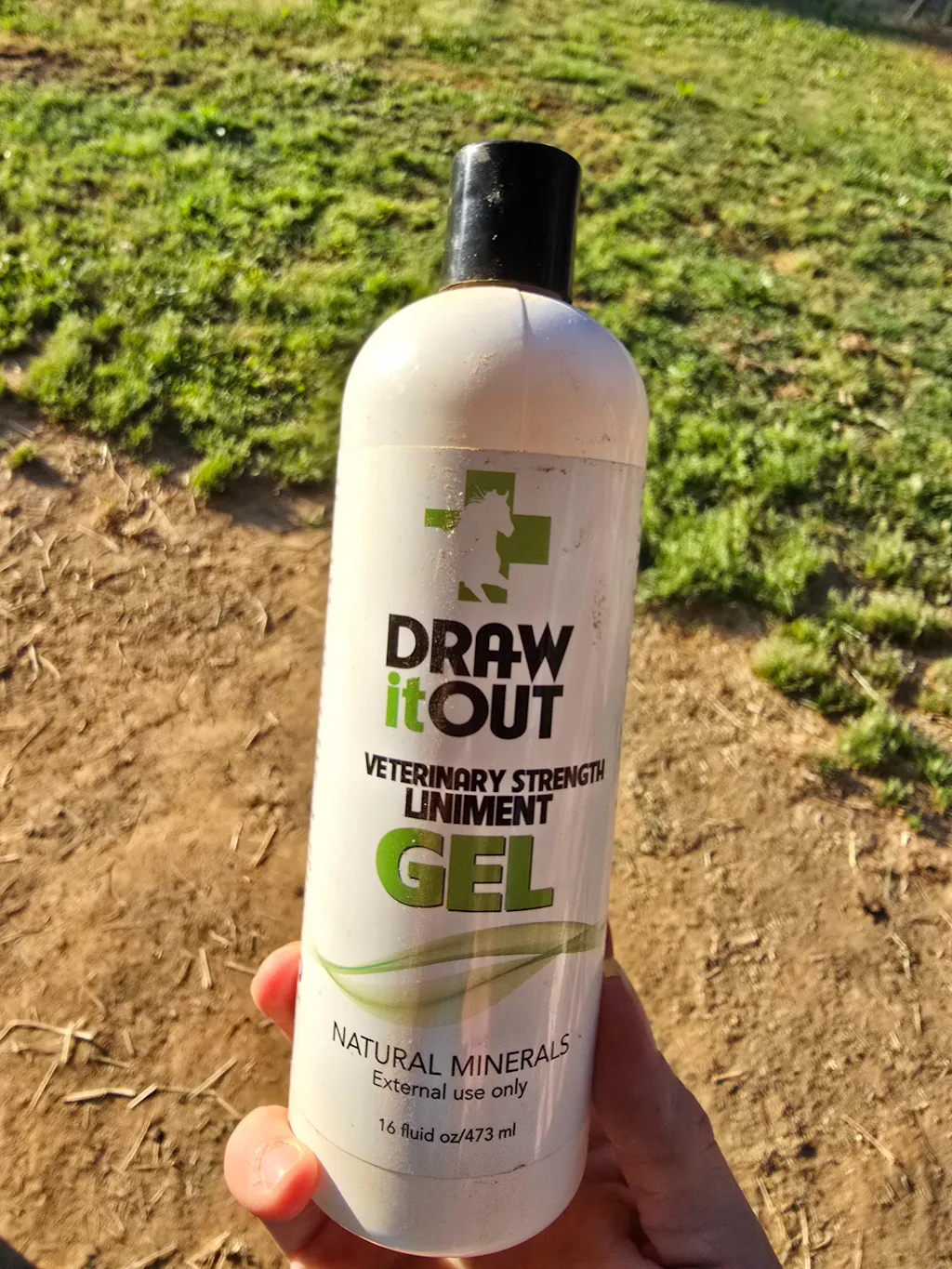
Liniment Gels
Explore the Draw It Out® liniment gel lineup for everyday use, post-work routines, and targeted recovery support.
Shop liniment gels
Evaluating Equine Safety: Is it Too Hot to Ride Your Horse?
Introduction:
As responsible equestrians, ensuring the health and well-being of our equine partners is paramount. One critical aspect of horse care is recognizing when it may be too hot to ride. Horses, being highly sensitive creatures, are particularly susceptible to heat-related stress and exhaustion. This article delves into the factors that determine whether it is too hot to ride your horse, offering valuable insights for equine enthusiasts.
Understanding Equine Thermoregulation:
Horses possess a remarkable ability to maintain their core body temperature within a narrow range. Their large muscle mass and unique sweat glands enable them to dissipate heat through evaporative cooling. However, even with this mechanism, horses can struggle to cope with excessively high temperatures and humidity. As riders, it is our responsibility to gauge the environmental conditions and evaluate the risk factors associated with riding in hot weather.
Monitoring Temperature and Heat Index:
When considering whether it is too hot to ride, one must take into account the ambient temperature as well as the heat index. The ambient temperature provides a general indication of the atmospheric warmth, while the heat index combines temperature and humidity, reflecting how hot it feels to both humans and horses. High humidity levels can impede the evaporation of sweat, hindering the horse's ability to cool down effectively.
Experts generally recommend refraining from riding when the temperature exceeds 90°F (32°C) or the heat index rises above 100°F (38°C). However, it is important to remember that individual horses may have different tolerances to heat, and factors such as fitness level, breed, age, and overall health should also be considered.
Assessing the Horse's Fitness and Conditioning:
The physical condition of the horse plays a vital role in determining their ability to handle heat stress. Well-conditioned and fit horses are generally more resilient and adaptable to hot weather conditions. Regular exercise and training programs tailored to the individual horse's needs help enhance cardiovascular fitness, muscular strength, and thermoregulatory efficiency. Working closely with a knowledgeable equine professional can provide valuable guidance in conditioning your horse appropriately.
Recognizing Signs of Heat Stress:
To further evaluate whether it is too hot to ride, it is essential to be vigilant for signs of heat stress in your horse. Common indicators include excessive sweating, rapid and shallow breathing, increased heart rate, lethargy, dry mucous membranes, and dark urine. If any of these symptoms are observed, it is crucial to immediately cease riding, move the horse to a shaded area, provide water, and consult a veterinarian if necessary.
Mitigating the Effects of Heat:
In cases where riding cannot be avoided but the weather is exceptionally warm, there are measures you can take to minimize the risk to your horse. These include adjusting the intensity and duration of the ride, riding during the cooler parts of the day (such as early morning or late evening), providing ample access to clean and cool water, and utilizing appropriate cooling techniques like sponging or hosing down the horse before and after riding.
Understanding Equine Anatomy and Physiology in Relation to Heat Regulation:
To fully comprehend the impact of heat on horses, it is important to delve deeper into their anatomy and physiology. Horses have a large muscle mass, which generates heat during exercise. This heat must be dissipated to maintain optimal body temperature. Understanding how horses regulate their body temperature through mechanisms such as sweating and respiration can help us better assess whether it is too hot to ride.
Assessing Environmental Factors:
In addition to temperature and heat index, there are other environmental factors that can contribute to the heat stress experienced by horses. These factors include direct sunlight exposure, wind speed, and the presence of shade or shelter. Evaluating these elements alongside temperature can provide a more accurate picture of the conditions and aid in decision-making regarding riding activities.
The Role of Hydration:
Proper hydration is essential for horses, especially during hot weather. Dehydration can exacerbate the effects of heat stress and lead to serious health complications. This section explores the importance of adequate water intake, signs of dehydration in horses, and strategies to encourage horses to drink and stay hydrated.
Understanding the Influence of Horse-Related Factors:
While general guidelines exist for determining whether it is too hot to ride, it is crucial to consider individual horse-related factors that may affect their heat tolerance. Breed, age, weight, coat color, and health conditions can all influence how a horse responds to heat. Certain breeds, such as Arabians, may have a higher tolerance for heat due to their desert origins, while horses with darker coats may absorb more heat from the sun.
Building Resilience through Conditioning Programs:
A well-conditioned horse is better equipped to handle heat stress. This section explores various conditioning programs and exercises that can improve a horse's fitness and thermoregulatory capacity. It discusses the importance of gradually increasing exercise intensity, incorporating cross-training, and balancing workload to enhance overall fitness and prepare horses for riding in warmer climates.
Heat Stress Prevention and Management:
In addition to assessing whether it is too hot to ride, it is crucial to adopt preventive measures to minimize the risk of heat stress. This section provides practical tips on managing horses in hot weather, such as proper grooming techniques, adjusting feeding schedules, providing adequate shade and ventilation, and utilizing fans or misting systems in stables and turnout areas.
Conclusion:
The well-being of our horses should always be at the forefront of our minds. Understanding when it is too hot to ride is crucial for maintaining equine health and preventing heat-related illnesses. By monitoring temperature and heat index, assessing the horse's fitness, recognizing signs of heat stress, and implementing appropriate mitigating strategies, we can ensure that our equine partners remain safe, comfortable, and healthy even during hot weather conditions. Remember, it is our responsibility as equestrians to prioritize the welfare of our horses and make informed decisions in their best interest.
This article gives you the background. If you are ready to put the idea into a real horse care routine, these are the next places most riders should go.
Explore the Draw It Out® liniment gel lineup for everyday use, post-work routines, and targeted recovery support.
Shop liniment gelsMatch your horse’s workload, age, routine, and care goals to the Draw It Out® products that make the most sense.
Use the finderLearn how riders support soundness, comfort, and consistency before little issues become bigger problems.
Read the guideReal Barn Proof
Real riders. Real horses. Real routines. These clips rotate automatically so the proof stays fresh without weighing the page down with a long feed.
Why this matters: good horse care should make sense outside the ad. These clips show the kind of everyday use that builds trust one barn at a time.
Further Reading
Horse care works better when the next step is clear. These related reads help connect today’s topic to better daily decisions in the barn.
Jun 04, 2026
A practical guide to why a stay-put horse skin salve belongs in every trailer kit for minor rubs, scrapes, and routine external skin care away...
Read article
Jun 04, 2026
A practical look at horse scratches-prone skin care, why topical texture matters, and when a stay-put salve may fit the routine.
Read article
Jun 04, 2026
A calm, practical barn guide for minor horse scrapes, including when a stay-put horse skin salve makes sense and when to call the vet.
Read articleStart with the principle, then build the habit. The right article should make the next barn decision easier, not more complicated.
Next Step
Simple care guides, practical product paths, and rider-trusted tools built for real horses and real routines.
Good care gets easier when the next step is obvious. Read the guide, match the routine, then choose the format that fits how your barn actually works.
Recovery Routine
Want a smarter way to think through post-ride care, heat, swelling, leg support, and daily recovery decisions? Start with the Performance Recovery Hub.
Better recovery starts with a repeatable routine. The hub gives riders a clearer path from workload to product format to aftercare timing.
Rider Favorites
Four core Draw It Out® staples riders keep close for daily recovery routines, wash rack use, targeted support, and quick barn-side care.
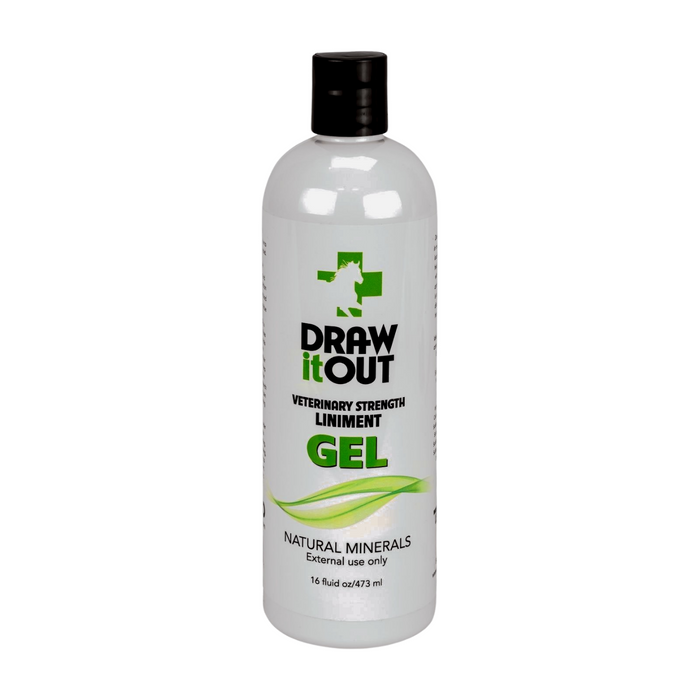
Stay-Put Gel
The everyday liniment gel format riders reach for when they want targeted, no-mess application.
View product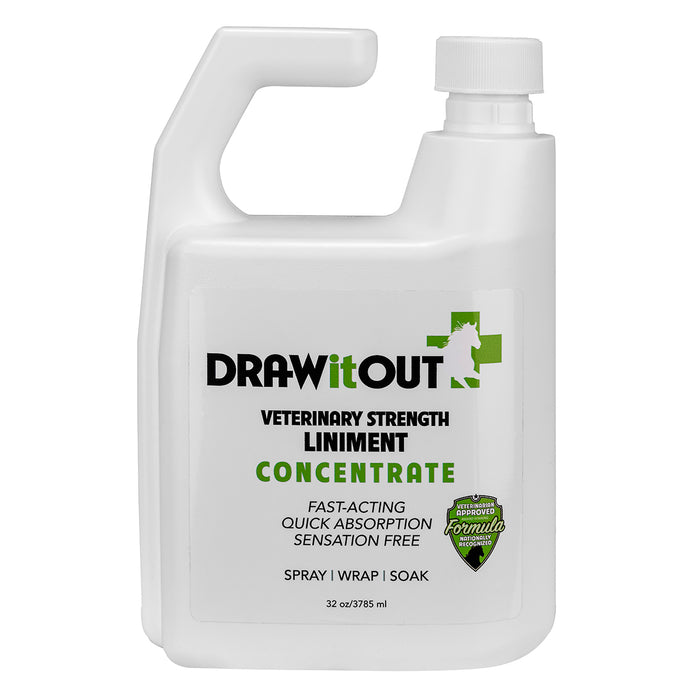
Mix Your Way
A flexible concentrate for riders who want to mix their own routine around workload and barn needs.
View product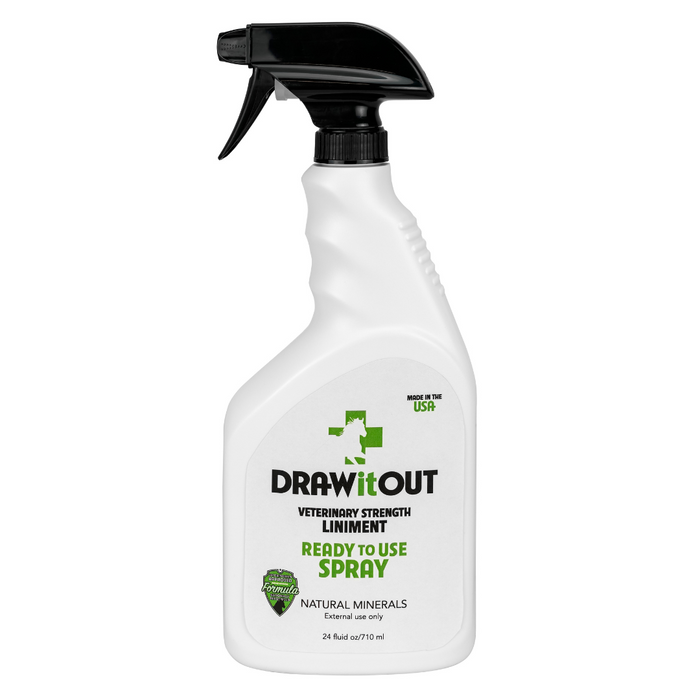
Ready To Use
A ready-to-use spray format for quick application after work, travel, turnout, or daily care.
View product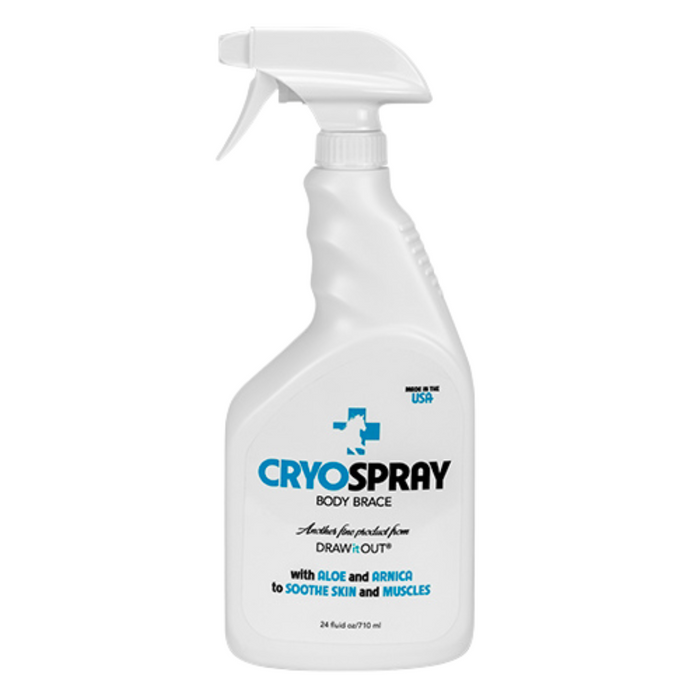
Cooling Brace
A cooling body brace spray for riders who want a fast, practical option after hard work or hot days.
View productFormat matters. Gel, concentrate, ready-to-use spray, and cooling spray each solve a different barn problem. Pick the one your routine will actually use.
!