Good-fit daily routine
The horse is sound, acting normal, and the target area is clean, dry, and intact. Product use follows label directions and fits the workload.

Daily liniment routine
Liniment belongs in the routine after the horse has been read. Not before. Used well, it supports repeatable care. Used badly, it becomes a way to ignore what the horse is saying.
Quick answer: Liniment can fit before work, after work, during hauling routines, senior horse routines, and daily leg care when the horse has been checked and the skin is clean, dry, and intact. Skip product when there is lameness, heat, swelling, sharp pain, broken skin, fever, or a horse that is not acting normal.
The best liniment routine starts with the horse in front of you.
Some horses may have liniment as part of a regular routine. Some only need it after specific work, hauling, or certain weather. Some days, product does not belong at all. The correct frequency depends on the horse, the work, the skin, and what you are seeing that day.
The daily routine should never be automatic enough that it overrides judgment.
The horse is sound, acting normal, and the target area is clean, dry, and intact. Product use follows label directions and fits the workload.
The horse is lame, hot, swollen, sharply painful, reactive, feverish, injured, or not acting normal, and product is being used to avoid a harder decision.
A lighter day may need only normal grooming and observation. More product is not automatically better care.
Harder work should trigger a better cooldown, hydration check, body check, and next-day decision before product frequency increases.
Routine rule: Use liniment when the routine fits. Skip it when the horse needs a different answer.
Liniment can sit in several routine lanes, but each lane has a different job. Keep them separate so the product does not become a vague answer for everything.
| Routine lane | When it may fit | What to check first |
|---|---|---|
| Before work | A hands-on check before tack or controlled placement as part of a normal routine | Soundness, attitude, skin condition, heat, swelling, and movement |
| After work | After cooldown, grooming, and body checks when the horse has settled | Breathing, heat, sweat, legs, back, girth area, hooves, and hydration |
| Hauling | As part of post-haul or post-work routine after the horse is checked | Leg fill, heat, pain, one-sided swelling, fever, respiratory signs, and attitude |
| Senior horses | As a calm hands-on routine that helps owners notice changes | Warmup pattern, hooves, saddle fit, weight, topline, and behavior |
| Daily leg care | After daily inspection when the skin is clean, dry, intact, and normal | Heat, filling, cuts, rubs, boot marks, hoof condition, and movement |
A pre-work routine should help you read the horse. It should not talk you into riding a horse that is lame, reactive, hot, swollen, or clearly uncomfortable.
After a ride, workout, haul, lesson, or long day on hard ground, liniment can belong after the horse is cooled, checked, clean, and dry. Product should not replace walking out, water access, grooming, leg checks, hoof checks, or next-day workload decisions.
Travel changes the routine. Horses stand, brace, sleep differently, drink differently, and work on unfamiliar footing. If your horse has sudden swelling, one-sided changes, heat, pain, fever, cough, dullness, or lameness after hauling, do not treat the trailer as the whole explanation.
Travel rule: Post-haul liniment routines are for normal, checked horses. Red flags move the horse into the vet-call lane.
Wrapping is a skill. Liniment under wraps should not be treated as casual default care. The legs need to be clean and dry, the skin needs to be intact, the wrap needs to be correct, and the horse needs to be checked on schedule.
Plain answer: If you are guessing, do not wrap. Ask someone qualified to show you.
Draw It Out® liniment gel, RTU Spray, and concentrate do not need to compete. They each have a lane.
| Format | Best fit | Start here |
|---|---|---|
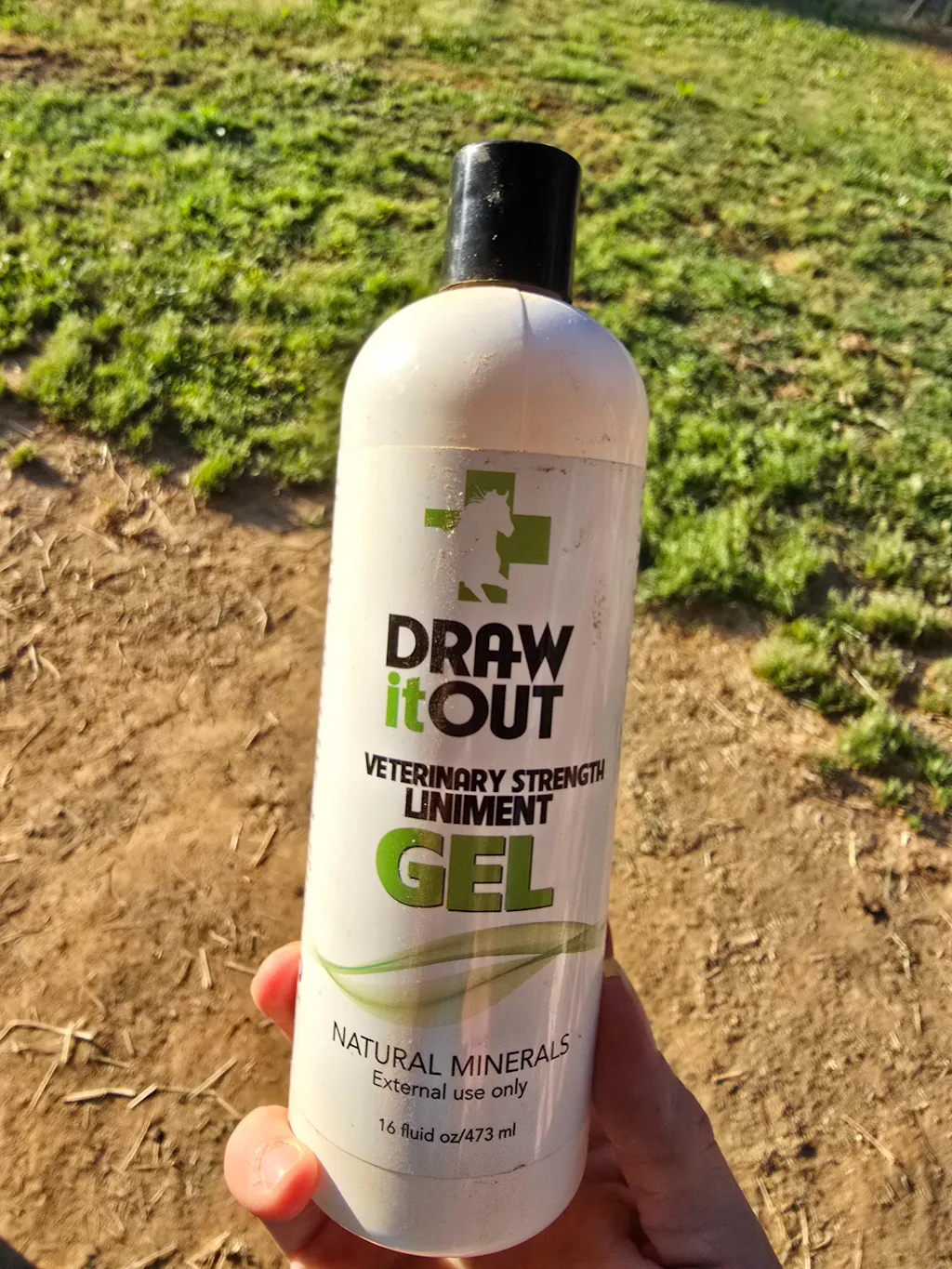
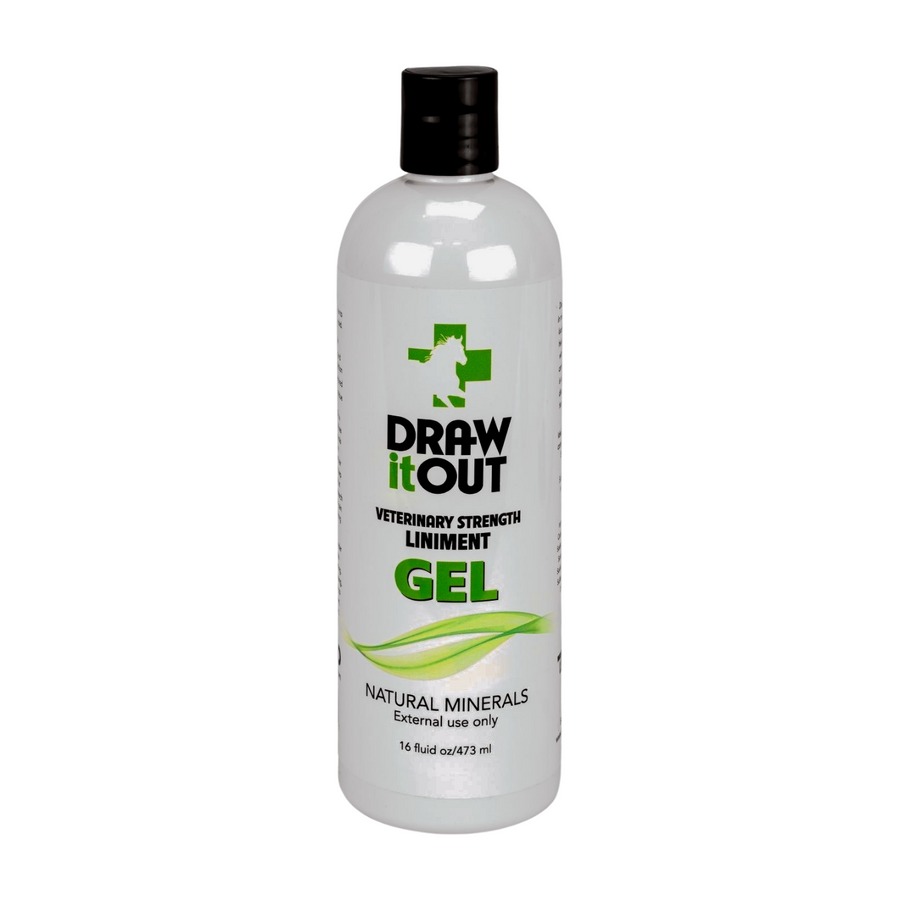
| 16oz liniment gel | Controlled, stay-put placement by hand | Targeted routines, tack trunks, trailers, and daily checks |
| 24oz RTU Spray | Fast ready-to-use broader coverage | Quick barn routines, road days, larger areas, no mixing |
| 32oz concentrate | Mix-as-directed barn coverage | Prepared bottles, wash-rack routines, and higher-use barns |
| 128oz concentrate | High-use barn refill lane | Multi-horse programs and repeat mix-as-directed routines |
A good routine protects the horse. It does not gamble with them. Liniment should not be used to avoid checking a horse that needs rest, cooling, farrier help, veterinary care, tack changes, or workload adjustment.
Most riders do not need a complicated system. They need one they will actually repeat.
| Step | What to do | Why it matters |
|---|---|---|
| Look | Check posture, movement, legs, back, and behavior | Your eyes catch changes before your hand does. |
| Feel | Check heat, filling, tenderness, skin, and body response | Your hands tell you whether today is normal. |
| Clean | Remove sweat, dirt, mud, and debris before application | Do not trap grime under product. |
| Apply | Use a thin layer in the format that fits the job | Controlled use beats messy overuse. |
| Observe | Watch how the horse responds today and tomorrow | Consistency only works if you keep reading the horse. |
Prehabilitation is the larger system: warmup, cooldown, hoof care, leg checks, hydration, workload, skin checks, and the right product format for the job. Liniment is one step inside that system, not the system itself.
Liniment can fit a daily routine when used according to label directions on clean, dry, intact skin. Daily use should depend on workload, age, travel, skin condition, and the horse’s response.
Liniment may fit before work as part of a normal hands-on routine, but it should not be used to ignore lameness, heat, pain, swelling, skin irritation, or unusual behavior.
Yes, when the horse has cooled appropriately, has been checked, and the target area is clean, dry, and intact. Product should not replace cooldown, water, grooming, leg checks, or workload decisions.
Liniment gel is better when you want controlled, targeted placement. RTU spray is better when you want fast, broader coverage. Concentrate is better for mix-as-directed barn routines.
Liniment can be used under wraps only when product directions support it and wraps are applied correctly. Always start with clean, dry legs and avoid wrapping over irritated, broken, hot, or suspicious skin.
Skip liniment when the horse is lame, hot, swollen, sharply painful, feverish, injured, not acting normal, or has broken, irritated, wet, dirty, or draining skin.
Most individual riders should start with the 16oz liniment gel because it is controlled, clean, and easy to repeat. Riders wanting faster broader coverage can use RTU Spray. Barns with higher-use routines may prefer concentrate.
No. Liniment should not replace veterinary diagnosis, farrier care, cooldown, hydration, workload adjustment, or professional guidance when something looks serious, unusual, or persistent.
Look. Feel. Clean. Apply only where it fits. Then keep watching. That is how Draw It Out® belongs in a daily horse care routine.
Start Here
This article gives you the background. If you are ready to put the idea into a real horse care routine, these are the next three places most riders should go.
Simple rule: read the article for context, use the Solution Finder for direction, then build the routine around the product format your horse will actually use consistently.
Real Barn Proof
Real riders. Real horses. Real routines. These clips rotate automatically so the proof stays fresh without weighing the page down with a long feed.
Why this matters: good horse care should make sense outside the ad. These clips show the kind of everyday use that builds trust one barn at a time.
Further Reading
Horse care works better when the next step is clear. These related reads help connect today’s topic to better daily decisions in the barn.
May 27, 2026
A practical horse health checklist for stiffness after turnout. Check gait, legs, hooves, heat, swelling, hydration, attitude, and recovery ro...
Read article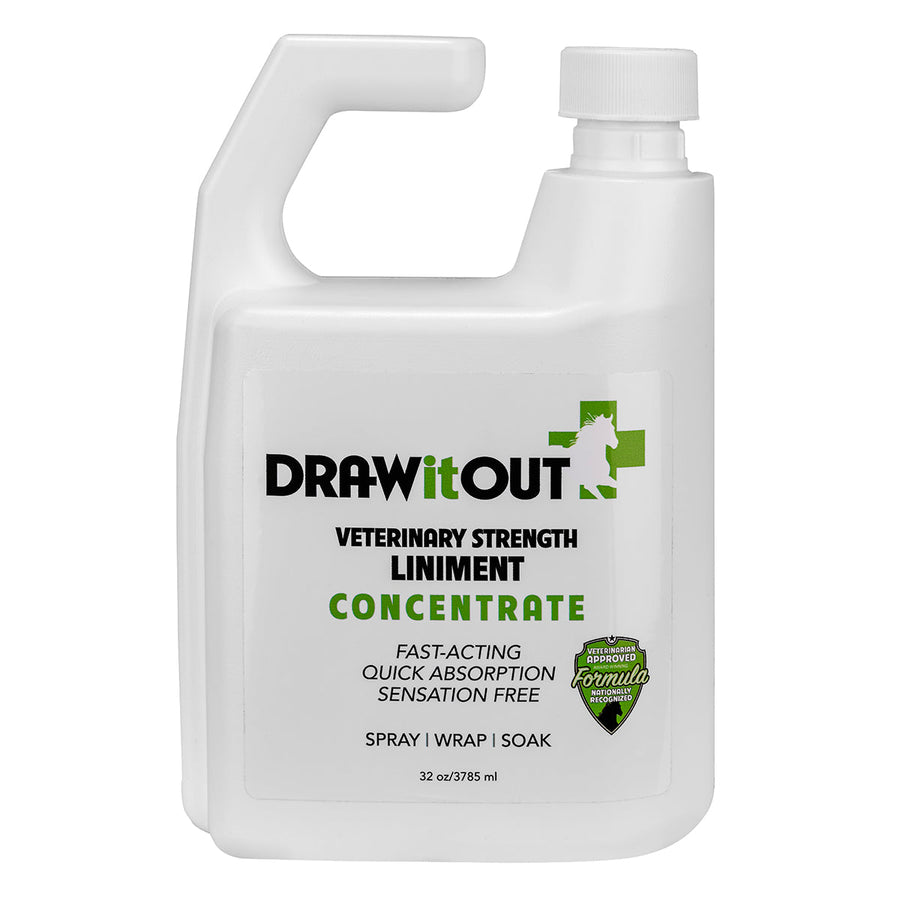
May 27, 2026
Gel, spray, and concentrate each fit a different horse-care routine. This buyer guide helps riders choose the right Draw It Out® format.
Read article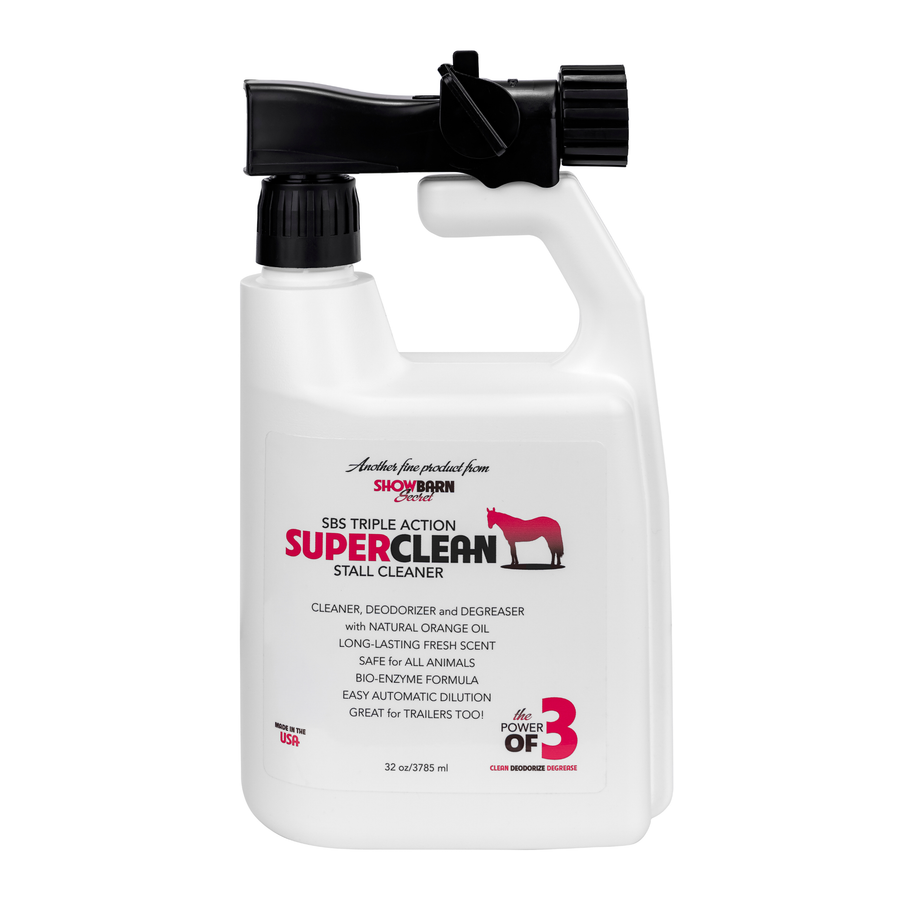
May 26, 2026
A special Draw It Out® feature on why we like K&D Platinum Line barn gear, how real barn needs shaped SuperClean®, and why practical equip...
Read articleStart with the principle, then build the habit. The right article should make the next barn decision easier, not more complicated.
Next Step
Simple care guides, practical product paths, and rider-trusted tools built for real horses and real routines.
Good care gets easier when the next step is obvious. Read the guide, match the routine, then choose the format that fits how your barn actually works.
Recovery Routine
Want a smarter way to think through post-ride care, heat, swelling, leg support, and daily recovery decisions? Start with the Performance Recovery Hub.
Better recovery starts with a repeatable routine. The hub gives riders a clearer path from workload to product format to aftercare timing.
Rider Favorites
Four core Draw It Out® staples riders keep close for daily recovery routines, wash rack use, targeted support, and quick barn-side care.
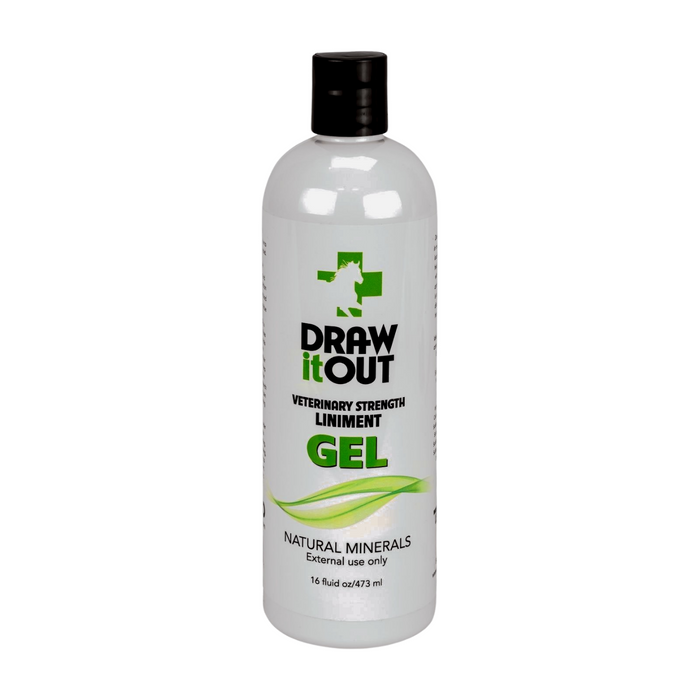
Stay-Put Gel
The everyday liniment gel format riders reach for when they want targeted, no-mess application.
View product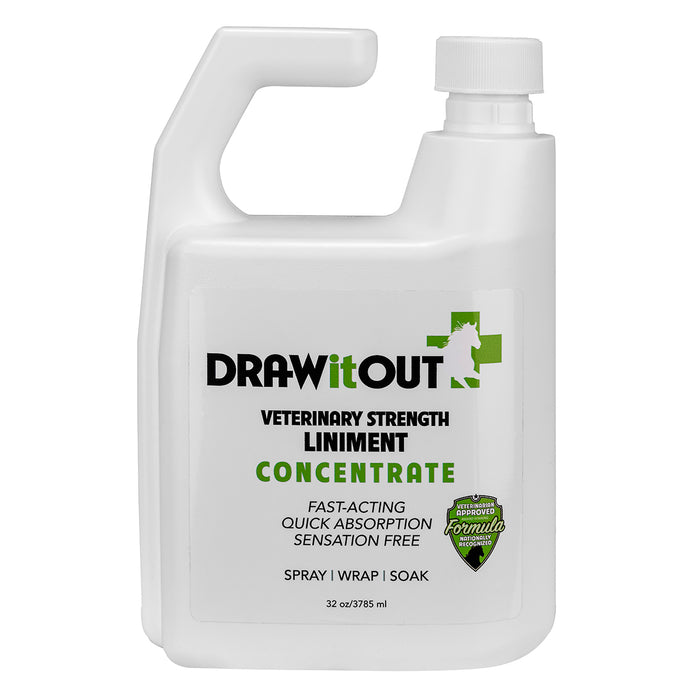
Mix Your Way
A flexible concentrate for riders who want to mix their own routine around workload and barn needs.
View product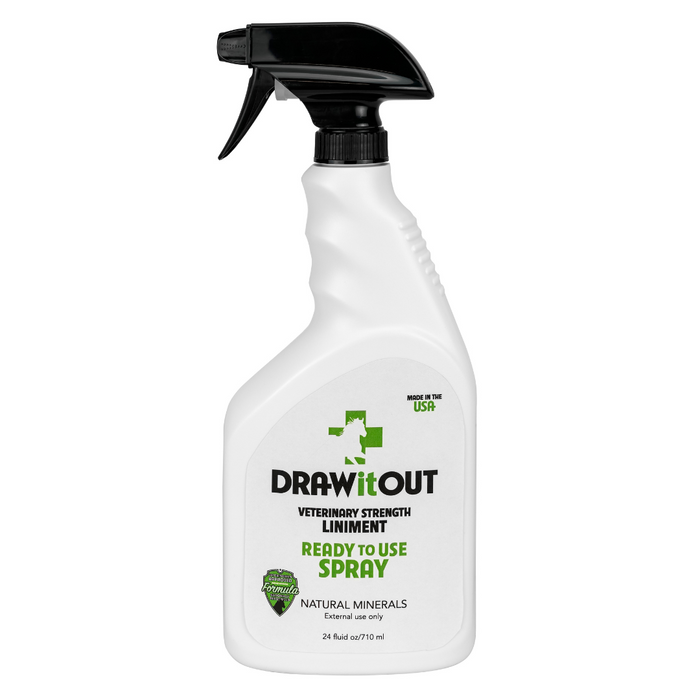
Ready To Use
A ready-to-use spray format for quick application after work, travel, turnout, or daily care.
View product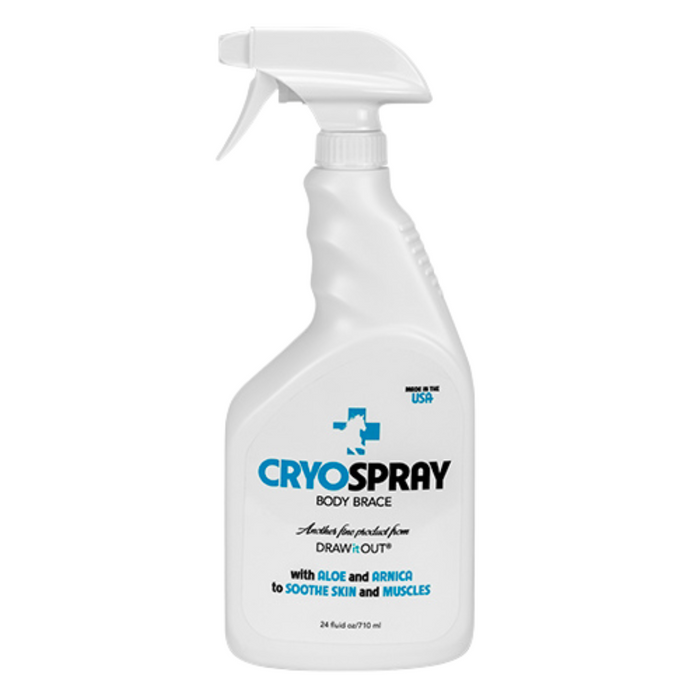
Cooling Brace
A cooling body brace spray for riders who want a fast, practical option after hard work or hot days.
View productFormat matters. Gel, concentrate, ready-to-use spray, and cooling spray each solve a different barn problem. Pick the one your routine will actually use.
!