Daily recovery
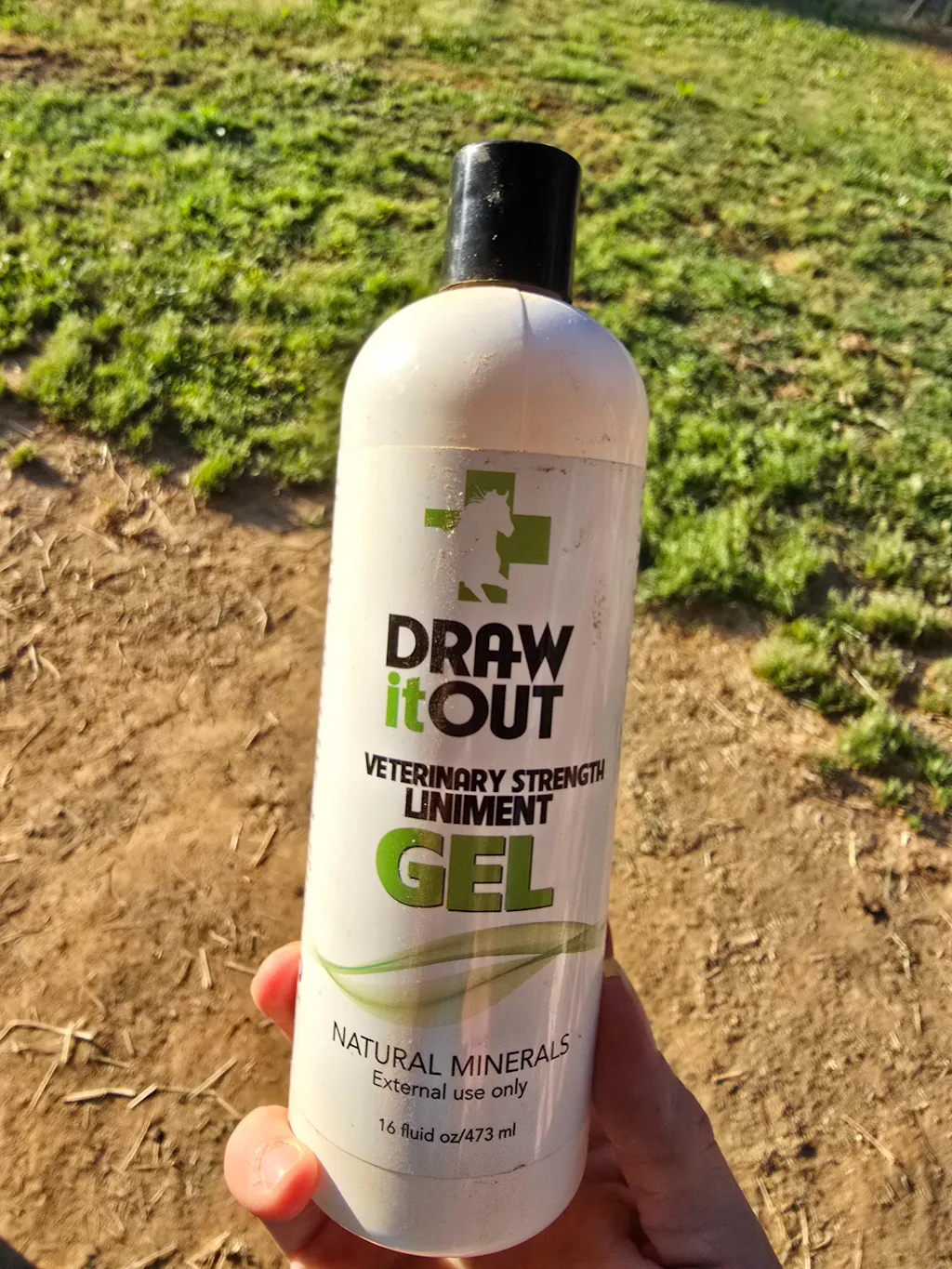
Liniment Gels
Explore the Draw It Out® liniment gel lineup for everyday use, post-work routines, and targeted recovery support.
Shop liniment gels
Seasonal soundness support
Mud season is a footing problem before it is anything else. When the ground turns slick, uneven, and suction-heavy, the lower leg does extra work to stabilize every step. The goal is not perfection. The goal is fewer bad steps, less strain, and a horse that stays comfortable through the thaw.

In mud season, the lower leg is fighting traction loss and suction on every step. Reduce strain by choosing better footing, simplifying rides, and using consistent post-work routines that support circulation and comfort.
Mud creates two stressors at the same time: the surface gets slick, and the base grabs. That combo asks the horse to stabilize and pull free every stride. Over days and weeks, that load shows up as fill, stiffness, and a horse that feels a little behind your leg.
Most people think mud is a mess problem. Horses experience it as a mechanics problem.
When the top layer slides, the horse braces earlier and shorter. That increases stabilizing work through the pastern, fetlock, and soft tissue that supports the limb.
Heavy, sticky footing adds resistance at breakover. Even if it is subtle, the horse repeats that effort hundreds of times in a day just moving around.
Ruts and holes ask for constant micro-corrections. You rarely see a single dramatic slip. You see accumulated strain that shows up later.
Mud season feedback shows up later than you want it to. Build the habit of checking the same signals every day.
Mud season is not the time for complicated. Consistency wins. The point is to help the limb settle after unstable footing and support normal circulation patterns.
If you apply anything under boots or wraps, wait until the surface is dry to the touch. That simple step keeps routines predictable.
Riders get into trouble chasing a quick fix. Mud season usually needs the opposite: a steady routine that your horse can count on.
If your horse gets stocked up or tight in the thaw, a sensation-free liniment gel routine is one of the simplest ways to support comfort without adding heat or irritation. If you want help choosing format and timing, start with the Solution Finder, then build your routine from the Prehabilitation page.
Unstable footing increases stabilizing work and small corrections in the lower leg. Add reduced movement quality and more standing in wet, churned areas, and you often see more fill even when training stays the same.
They are different. Slick mud increases slip risk. Deep, suction-heavy mud increases effort at breakover and can fatigue soft tissue. The worst scenario is slick on top with grab underneath.
Not always. Many horses do better with smart, controlled movement. The key is choosing safer ground, shortening sessions, and avoiding the footing that makes the horse scramble or pull hard.
Stop forcing tight turns on questionable ground. Straight lines, slower transitions, and fewer direction changes reduce the small twists that add up in mud season.
Treat it as a stop sign. Change the footing plan immediately and consider professional input. This page covers normal seasonal strain reduction, not working through a new lameness.
Modern Performance, Proven Calm. Deep Relief in Every Drop. Elevate Every Ride.
This article gives you the background. If you are ready to put the idea into a real horse care routine, these are the next places most riders should go.
Explore the Draw It Out® liniment gel lineup for everyday use, post-work routines, and targeted recovery support.
Shop liniment gelsMatch your horse’s workload, age, routine, and care goals to the Draw It Out® products that make the most sense.
Use the finderLearn how riders support soundness, comfort, and consistency before little issues become bigger problems.
Read the guideReal Barn Proof
Real riders. Real horses. Real routines. These clips rotate automatically so the proof stays fresh without weighing the page down with a long feed.
Why this matters: good horse care should make sense outside the ad. These clips show the kind of everyday use that builds trust one barn at a time.
Further Reading
Horse care works better when the next step is clear. These related reads help connect today’s topic to better daily decisions in the barn.

May 19, 2026
A practical horse health guide to checking girth-area sweat marks, hair flattening, rub risk, tack fit clues, and post-ride care before irrita...
Read article
May 18, 2026
A practical horse recovery kit checklist for tack rooms, trailers, show boxes, and everyday barn routines. Learn what to keep on hand, what to...
Read article
May 17, 2026
Learn the practical signs that a horse may need an easier day after work, travel, turnout, or training, plus a simple recovery routine for rea...
Read articleStart with the principle, then build the habit. The right article should make the next barn decision easier, not more complicated.
Next Step
Simple care guides, practical product paths, and rider-trusted tools built for real horses and real routines.
Good care gets easier when the next step is obvious. Read the guide, match the routine, then choose the format that fits how your barn actually works.
Recovery Routine
Want a smarter way to think through post-ride care, heat, swelling, leg support, and daily recovery decisions? Start with the Performance Recovery Hub.
Better recovery starts with a repeatable routine. The hub gives riders a clearer path from workload to product format to aftercare timing.
Rider Favorites
Four core Draw It Out® staples riders keep close for daily recovery routines, wash rack use, targeted support, and quick barn-side care.
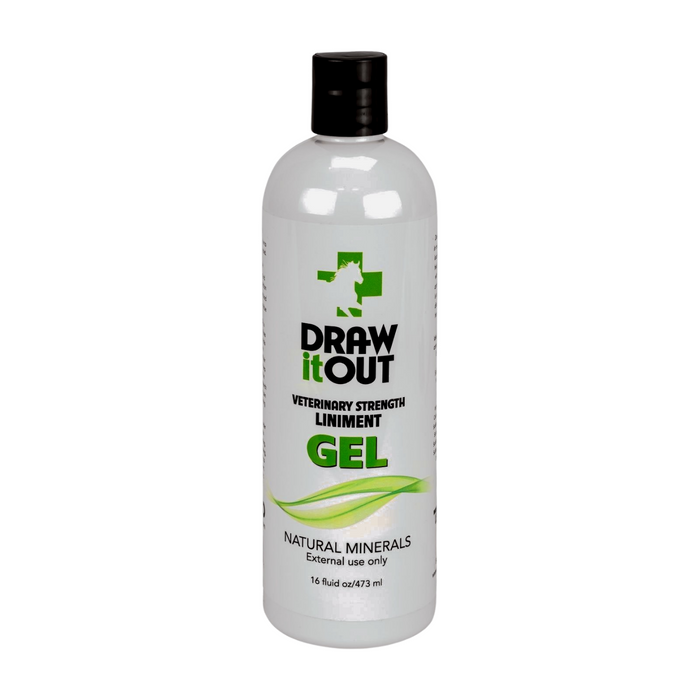
Stay-Put Gel
The everyday liniment gel format riders reach for when they want targeted, no-mess application.
View product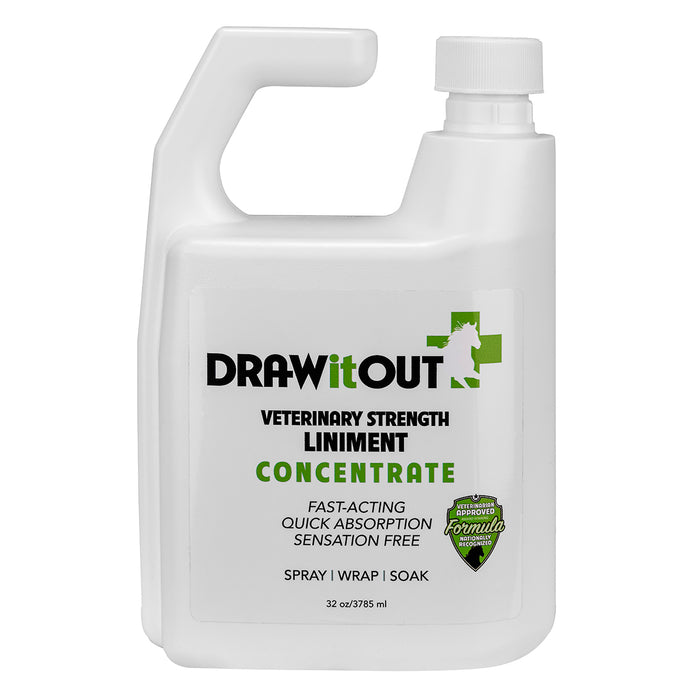
Mix Your Way
A flexible concentrate for riders who want to mix their own routine around workload and barn needs.
View product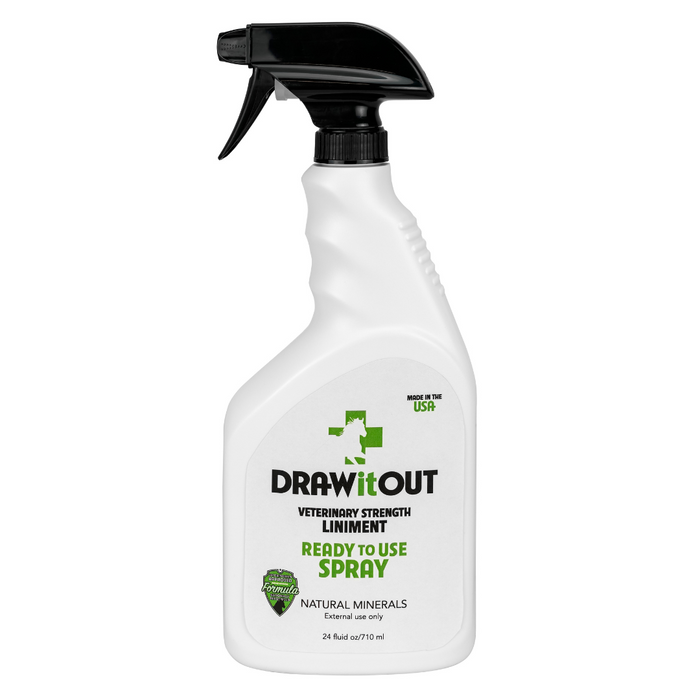
Ready To Use
A ready-to-use spray format for quick application after work, travel, turnout, or daily care.
View product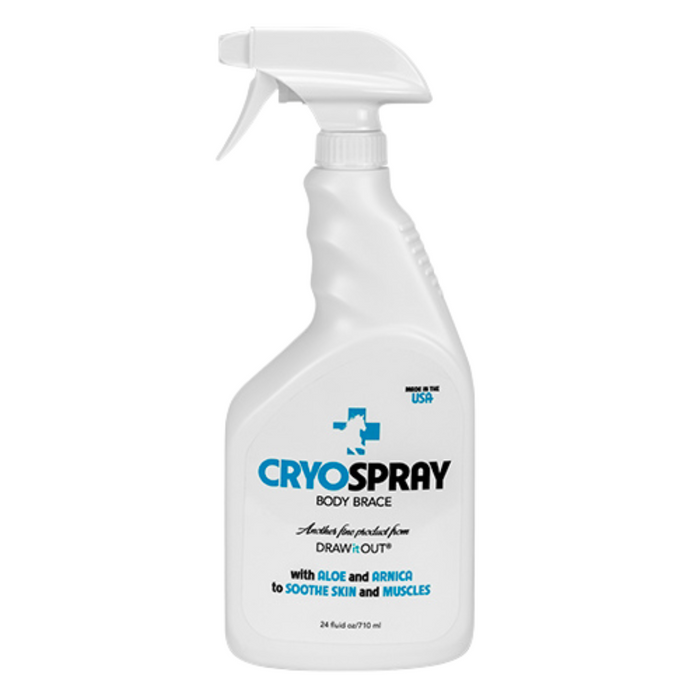
Cooling Brace
A cooling body brace spray for riders who want a fast, practical option after hard work or hot days.
View productFormat matters. Gel, concentrate, ready-to-use spray, and cooling spray each solve a different barn problem. Pick the one your routine will actually use.
!