

Rain rot lane
Look at coat and skin areas exposed to wet weather, blankets, sweat, and trapped moisture.

Wet weather care router
Rain rot, mud fever, and thrush can all show up when weather, mud, moisture, and barn routines get messy. But they do not belong in the same care lane. First identify where the problem lives: coat, pastern, or hoof.
Quick answer: Rain rot usually shows up as coat and skin crusting, often along the back, rump, topline, neck, or rain-soaked areas. Mud fever or scratches usually affects pasterns and lower legs. Thrush belongs in the hoof lane, especially around the frog and sulci. Same wet season, different routines.
Wet weather can make a barn feel like every problem is the same problem. Mud. Moisture. Sweat. Blankets. Dirty gear. Wet turnout. Soft skin. Packed hooves. But the routine changes depending on where the trouble starts.
Rain rot is not thrush. Thrush is not scratches. Scratches are not a hoof abscess. Mud fever is not automatically cellulitis. The first job is routing.
Look at coat and skin areas exposed to wet weather, blankets, sweat, and trapped moisture.
Look at pasterns, heels, fetlocks, lower legs, and skin that sits in wet mud or friction.
Pick the hoof and inspect frog, central sulcus, collateral grooves, odor, and packed debris.
Do not force one product to answer three different problems: First identify the lane, then choose the routine.
This is the quick separation. It is not a diagnosis, but it keeps the routine from going sideways.
| Issue | Where you usually look | What riders often notice | Who may need to be involved |
|---|---|---|---|
| Rain rot | Coat, topline, back, rump, neck, shoulders, wet blanket zones | Crusting, scabs, tufts of hair, tender skin, damp coat history | Veterinarian if widespread, painful, persistent, infected-looking, or worsening |
| Mud fever or scratches | Pasterns, heels, fetlocks, lower legs, feathered areas | Scabs, crusting, redness, sensitivity, swelling, moisture trapped in hair | Veterinarian if swelling, lameness, odor, heat, discharge, or no improvement |
| Thrush | Frog, central sulcus, collateral grooves, sole, hoof hygiene zones | Foul odor, black debris, frog breakdown, packed mud or manure | Farrier for persistent frog issues, veterinarian if pain, lameness, swelling, or deeper concern |
Rain rot-style concerns usually begin where the coat stays wet, dirty, sweaty, or covered without enough airflow. Riders often notice crusting, scabs, tufts of hair lifting with crusts, or tender skin along the top of the horse.
The routine starts with clean and dry. Do not share dirty grooming tools. Do not trap moisture under blankets. Do not scrub aggressively on painful skin.
Mud fever and scratches usually live lower, especially around pasterns, heels, and areas where mud, moisture, feathers, boots, wraps, or friction keep the skin irritated.
The routine is not to rip scabs off. Clean gently. Dry thoroughly. Reduce mud and wet contact where possible. Watch swelling, lameness, heat, odor, or spreading irritation.
Thrush belongs in the hoof lane. That means hoof picking, frog inspection, central sulcus checks, footing management, and farrier awareness.
Foul odor, black debris, frog deterioration, and packed sulci should make you clean more consistently and involve your farrier when the problem is persistent, deep, painful, or recurring.
Products should make the routine clearer, not blur the issue. Pick the lane first, then choose the format that fits the job.
| Need | Best routine lane | Good next step |
|---|---|---|
| Coat and skin crusting | Skin and salve care | Clean, dry, observe, and use a focused cream routine where appropriate. |
| Pastern scabs or rub zones | Rapid Relief cream routine | Clean gently, dry thoroughly, apply a thin layer where appropriate. |
| Hoof odor or frog debris | Hoof hygiene routine | Pick daily, manage moisture, involve farrier, use hoof-care products where appropriate. |
| Sudden lameness, swelling, fever, severe pain, or spreading irritation | Professional care lane | Call your veterinarian or farrier. Do not guess with products. |
Compliance-safe line: Draw It Out® products support clean, practical routines. They do not replace veterinary diagnosis, farrier care, or treatment for serious, painful, spreading, or persistent conditions.
Wet-weather problems get worse when riders get impatient. Most bad routines start by trying to make the area look better faster.
The routine is not glamorous. It is footing, airflow, clean tools, dry skin, picked hooves, clean gear, regular farrier work, and enough discipline to stop when something is not improving.
Remove mud, sweat, manure, bedding, and debris before deciding what product fits.
Do not trap moisture under tack, blankets, wraps, boots, creams, salves, or hoof products.
Track whether the area is improving, spreading, becoming painful, or starting to affect movement.
No. Rain rot is usually discussed in the coat and skin lane. Mud fever or scratches usually affects pasterns and lower legs. Thrush belongs in the hoof hygiene lane around the frog and sulci.
Find the location first. Coat and topline points toward rain rot-style care. Pasterns and lower legs point toward scratches or mud fever care. Frog, hoof odor, and sulci point toward thrush and hoof hygiene.
No single product should be treated as the answer for all three. Choose the routine based on where the issue is and what signs are present.
Call your veterinarian when there is swelling, lameness, fever, severe pain, spreading irritation, odor, discharge, bleeding, or no improvement after careful routine management.
Call your farrier when hoof odor, frog breakdown, central sulcus depth, recurring thrush, hoof balance, or shoeing concerns may be involved.
Clean the area, dry it thoroughly, improve the environment where possible, use the right product lane only where appropriate, and watch daily for improvement or red flags.
Only if the horse is comfortable, sound, and the area is not being worsened by work, tack, footing, boots, or moisture. If the horse is sore, lame, swollen, or reluctant, stop and get professional guidance.
Recurring wet-weather issues often point toward environment, moisture, grooming, footing, turnout, hoof balance, or gear hygiene. The routine needs to address the cause, not only the visible spot.
That is the difference between a better routine and a shelf full of guesses. Decide whether you are looking at coat, pastern, or hoof. Clean it. Dry it. Watch it. Then use the Draw It Out® product lane that actually fits.
This article gives you the background. If you are ready to put the idea into a real horse care routine, these are the next places most riders should go.
Explore the Draw It Out® liniment gel lineup for everyday use, post-work routines, and targeted recovery support.
Shop liniment gelsMatch your horse’s workload, age, routine, and care goals to the Draw It Out® products that make the most sense.
Use the finderLearn how riders support soundness, comfort, and consistency before little issues become bigger problems.
Read the guideReal Barn Proof
Real riders. Real horses. Real routines. These clips rotate automatically so the proof stays fresh without weighing the page down with a long feed.
Why this matters: good horse care should make sense outside the ad. These clips show the kind of everyday use that builds trust one barn at a time.
Further Reading
Horse care works better when the next step is clear. These related reads help connect today’s topic to better daily decisions in the barn.

Jun 29, 2026
If your horse lost a shoe, do not just tack up and hope for the best. Use this rider-first checklist to inspect the hoof, nail holes, sole, le...
Read article
Jun 28, 2026
Lead reluctance can come from training, balance, rider timing, footing, soreness, tack, or fatigue. Track the pattern before drilling harder.
Read article
Jun 28, 2026
If your horse slipped in pasture, mud, wet grass, or a barn aisle, check legs, feet, back, movement, swelling, heat, hoof or shoe damage, and ...
Read articleStart with the principle, then build the habit. The right article should make the next barn decision easier, not more complicated.
Next Step
Simple care guides, practical product paths, and rider-trusted tools built for real horses and real routines.
Good care gets easier when the next step is obvious. Read the guide, match the routine, then choose the format that fits how your barn actually works.
Recovery Routine
Want a smarter way to think through post-ride care, heat, swelling, leg support, and daily recovery decisions? Start with the Performance Recovery Hub.
Better recovery starts with a repeatable routine. The hub gives riders a clearer path from workload to product format to aftercare timing.
Rider Favorites
Four core Draw It Out® staples riders keep close for daily recovery routines, wash rack use, targeted support, and quick barn-side care.
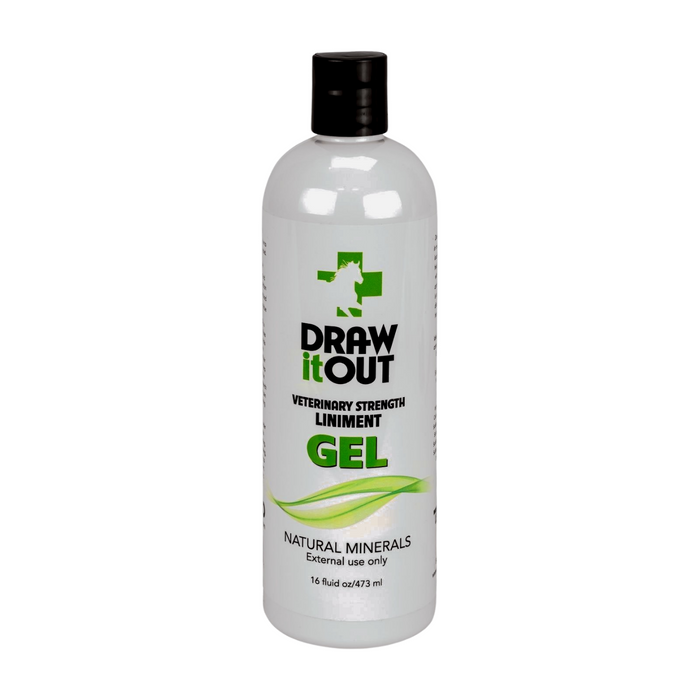
Stay-Put Gel
The everyday liniment gel format riders reach for when they want targeted, no-mess application.
View product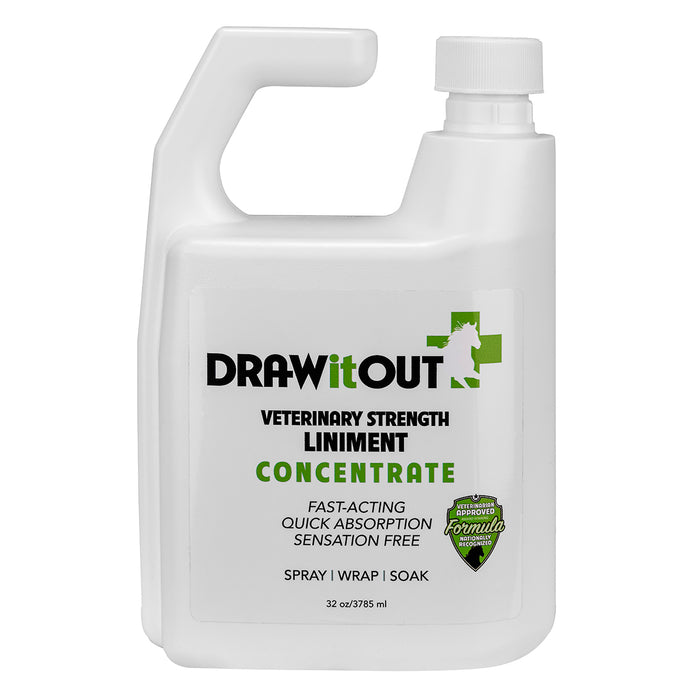
Mix Your Way
A flexible concentrate for riders who want to mix their own routine around workload and barn needs.
View product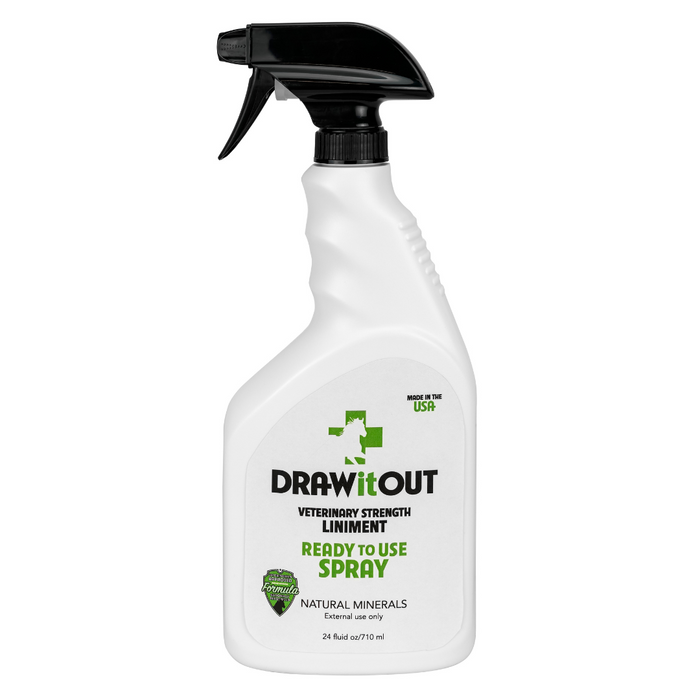
Ready To Use
A ready-to-use spray format for quick application after work, travel, turnout, or daily care.
View product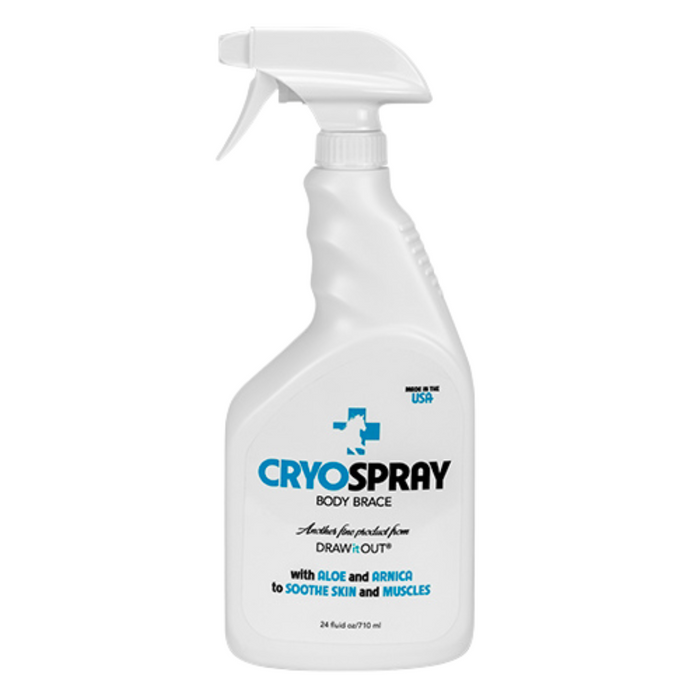
Cooling Brace
A cooling body brace spray for riders who want a fast, practical option after hard work or hot days.
View productFormat matters. Gel, concentrate, ready-to-use spray, and cooling spray each solve a different barn problem. Pick the one your routine will actually use.
!