Draw It Out spring fitness tests guide for horse conditioning before show season

Competition and performance

Spring Fitness Tests for Horses: Benchmark Conditioning Before Show Season

Spring has a way of speeding everyone up. Longer days, more entries, more schooling. Before you add intensity, take ten minutes to measure what your horse is actually ready to repeat.

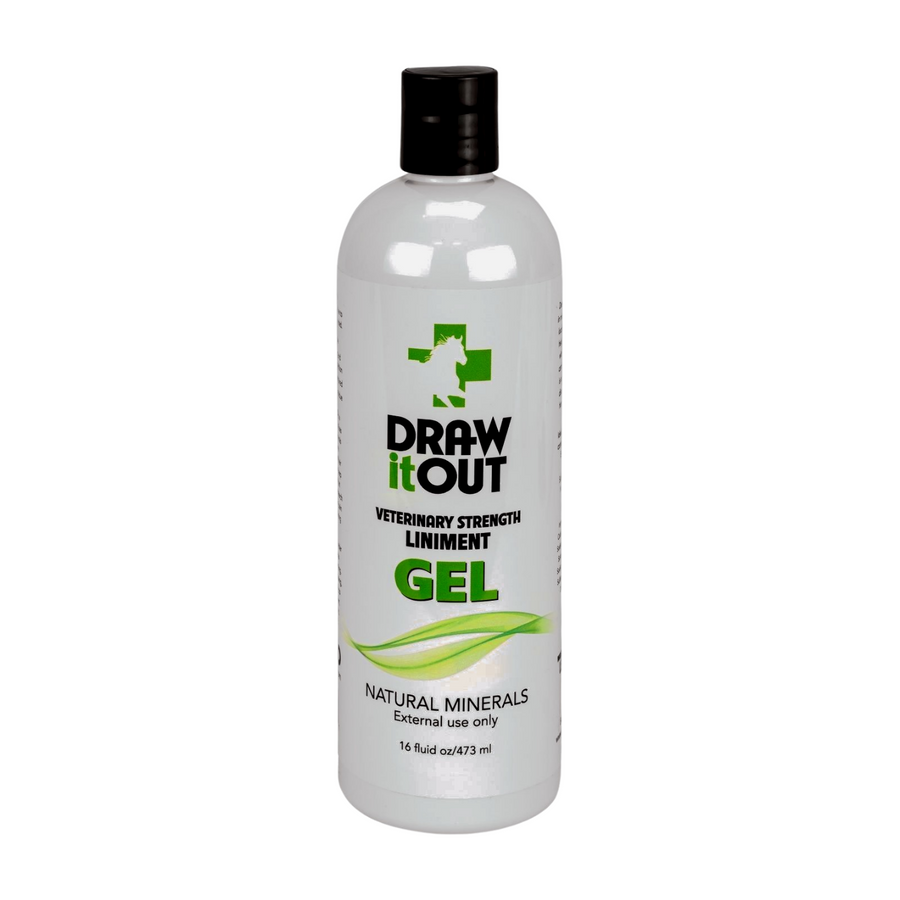
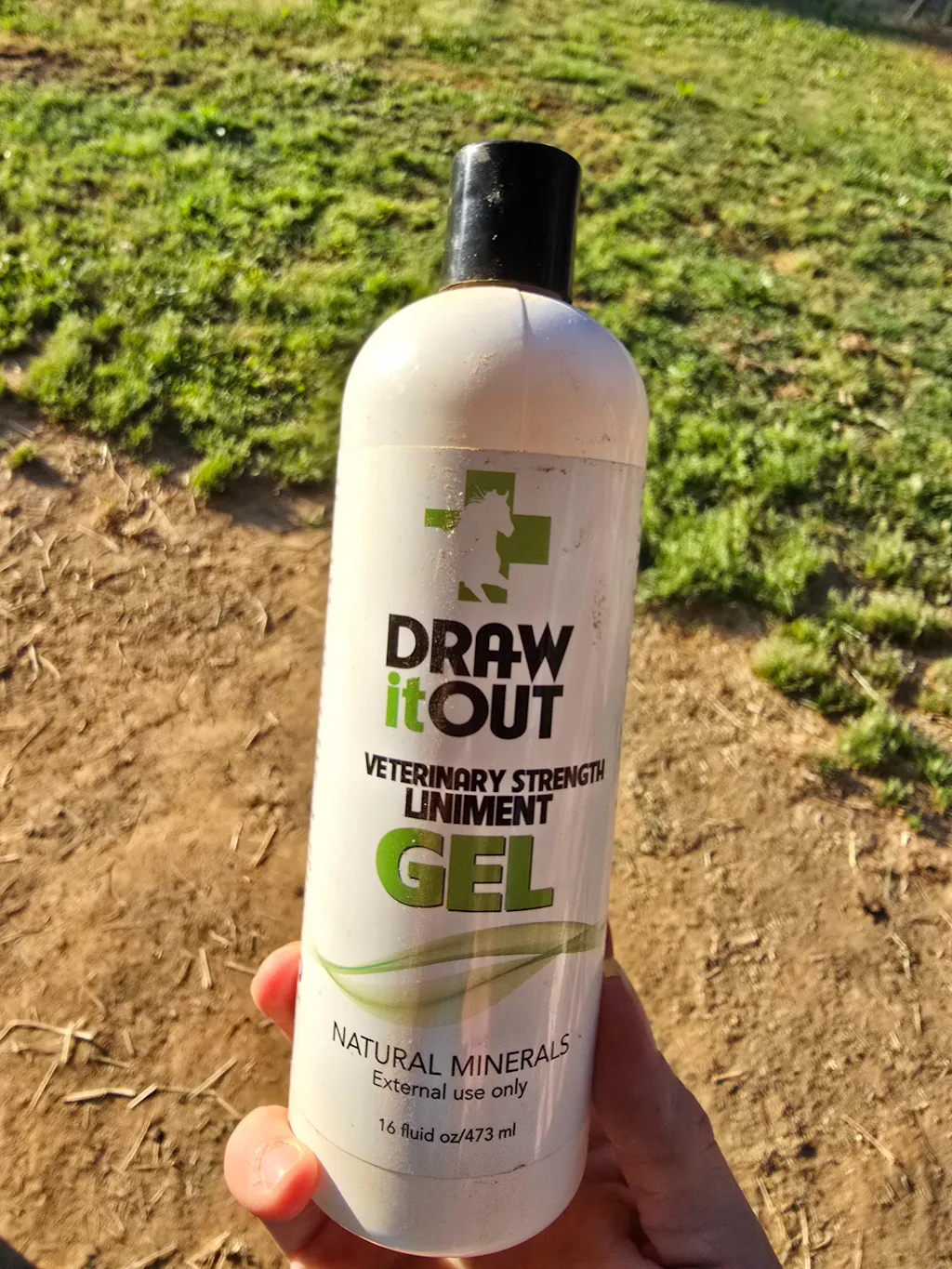
Draw It Out 16oz high potency liniment gel used in a calm pre ride and post ride recovery routine
Estimated read 5 minutes Season early spring Focus baseline, recovery, symmetry

Speakable summary

If you want a smooth show season, set a baseline first. These five simple spring fitness checks help you measure recovery, symmetry, and next day comfort so your conditioning plan builds steadily instead of rushing into setbacks.

Why a baseline matters in spring

Winter miles keep horses moving, but spring asks for repetition under higher demand. The risky part is the gap between what the calendar wants and what the tissues can tolerate.

Recovery tells the truth

A horse can feel fine during the ride and still struggle to return to baseline after. Recovery is where early fatigue shows up first.

Symmetry protects soundness

Small left right differences get louder when you add circles, transitions, and collections. Spot them now, not at the first long weekend.

Five spring fitness tests you can repeat weekly

These are information tests, not stress tests. Keep the inputs consistent so your notes mean something.

Recovery after a steady trot set

Pick one controlled trot set you can repeat, like 6 minutes of working trot on good footing. After you stop, track:

  • How long until breathing looks normal
  • Sweating pattern and how fast it dries
  • Willingness to stretch and walk out

If recovery is trending slower week to week, lower the load before you add speed.

Next day comfort check

The morning after your ride, look for quiet signals:

  • Short first steps leaving the stall
  • Reluctance to turn tightly in one direction
  • Lower limb filling or heat differences
  • Reactive spots during grooming

Spring problems often appear 12 to 24 hours later, not in the moment.

Straight line rhythm and tracking

On an even surface, trot straight and watch the basics:

  • Consistent rhythm without rushing
  • Even tracking up behind
  • Stride length that stays the same on both reins

Subtle shortening behind is a common early sign that workload is outpacing readiness.

Left right bend comparison

At walk and trot, compare both directions:

  • Does one side feel stiffer through the ribcage
  • Is one lead pick up delayed
  • Does one shoulder feel heavier

Your job is not to fix it in one ride. Your job is to notice it early and program smarter.

Mental freshness under light pressure

Fitness is physical and mental. Note:

  • How quickly focus returns after a correction
  • Whether transitions stay soft late in the ride
  • Any sudden irritability or resistance

When the brain gets tired, the body starts taking shortcuts.

How to use your results

Write down what you see, then change one thing at a time. The fastest way to lose the signal is to change the whole program at once.

  • If recovery is slow, reduce duration before reducing quality
  • If next day stiffness shows up, add rest spacing and simplify circles
  • If symmetry is off, keep the work boring and even until baseline returns

Educational support only. If you see persistent heat, swelling, or lameness, involve your veterinarian or qualified equine professional.

Where prehabilitation fits in spring conditioning

Prehabilitation is what steady barns do before a problem forces the conversation. It is the routine that keeps small stress from becoming a missed weekend.

If your spring includes hauling, heat, or heavy sweating, keep hydration part of the plan, not an afterthought.

FAQ

How often should I run these spring fitness tests

Once per week is enough, as long as you keep the input consistent. The goal is trend data, not a one time grade.

What is the simplest baseline if I only track one thing

Track recovery after the same trot set, plus next day comfort. Those two catch most early overload patterns.

What if my horse feels fine during the ride but stiff the next day

That usually means the ride demand exceeded tissue tolerance. Adjust volume, spacing, and footing choices first.

Do these tests replace a vet exam or soundness workup

No. They help you notice trends early. If you see persistent heat, swelling, or lameness, escalate to your veterinarian.

What should I change first if results are inconsistent

Reduce repetition and tighten consistency. More frequent easy rides beat a few big rides separated by gaps.

Measure first, then ask for more

Show season does not punish effort. It punishes surprises. A baseline keeps your program honest so you can add intensity with confidence.

Be your horse’s hero. We will help you do it.


Hinterlasse einen Kommentar

Bitte beachte, dass Kommentare vor der Veröffentlichung genehmigt werden müssen.

Start here

Reading first? Here is the clean path.

This article gives you the background. If you are ready to put the idea into a real horse care routine, these are the next places most riders should go.

Daily recovery

Liniment Gels

Explore the Draw It Out® liniment gel lineup for everyday use, post-work routines, and targeted recovery support.

Shop liniment gels
Find the fit

Solution Finder

Match your horse’s workload, age, routine, and care goals to the Draw It Out® products that make the most sense.

Use the finder
Routine first

Prehabilitation

Learn how riders support soundness, comfort, and consistency before little issues become bigger problems.

Read the guide
Simple rule: read the article for context, use the Solution Finder for direction, then build the routine around the product format your horse will actually use consistently.

Real Barn Proof

What this looks like in real barns.

Real riders. Real horses. Real routines. These clips rotate automatically so the proof stays fresh without weighing the page down with a long feed.

Random rider clips

Why this matters: good horse care should make sense outside the ad. These clips show the kind of everyday use that builds trust one barn at a time.

Further Reading

Keep building the routine.

Horse care works better when the next step is clear. These related reads help connect today’s topic to better daily decisions in the barn.

Horse health news

Start with the principle, then build the habit. The right article should make the next barn decision easier, not more complicated.

Next Step

Keep your barn dialed in.

Simple care guides, practical product paths, and rider-trusted tools built for real horses and real routines.

Good care gets easier when the next step is obvious. Read the guide, match the routine, then choose the format that fits how your barn actually works.

Recovery Routine

Build a complete recovery routine.

Want a smarter way to think through post-ride care, heat, swelling, leg support, and daily recovery decisions? Start with the Performance Recovery Hub.

Better recovery starts with a repeatable routine. The hub gives riders a clearer path from workload to product format to aftercare timing.

Rider Favorites

Always in the kit.

Four core Draw It Out® staples riders keep close for daily recovery routines, wash rack use, targeted support, and quick barn-side care.

Core barn staples
Draw It Out® 16oz Liniment Gel | Daily Horse Care

Stay-Put Gel

16oz Liniment Gel

The everyday liniment gel format riders reach for when they want targeted, no-mess application.

View product
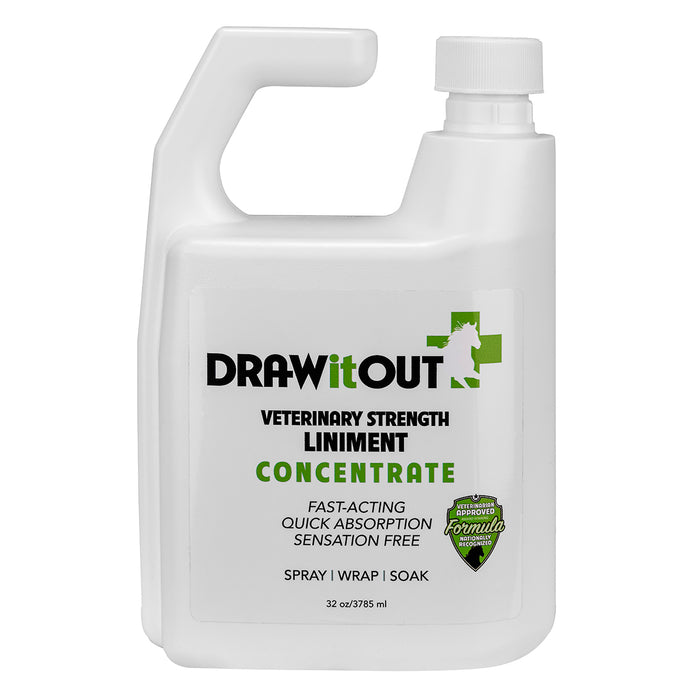
Draw It Out® 32oz Liniment Concentrate | Mix-to-Use Formula

Mix Your Way

32oz Concentrate

A flexible concentrate for riders who want to mix their own routine around workload and barn needs.

View product
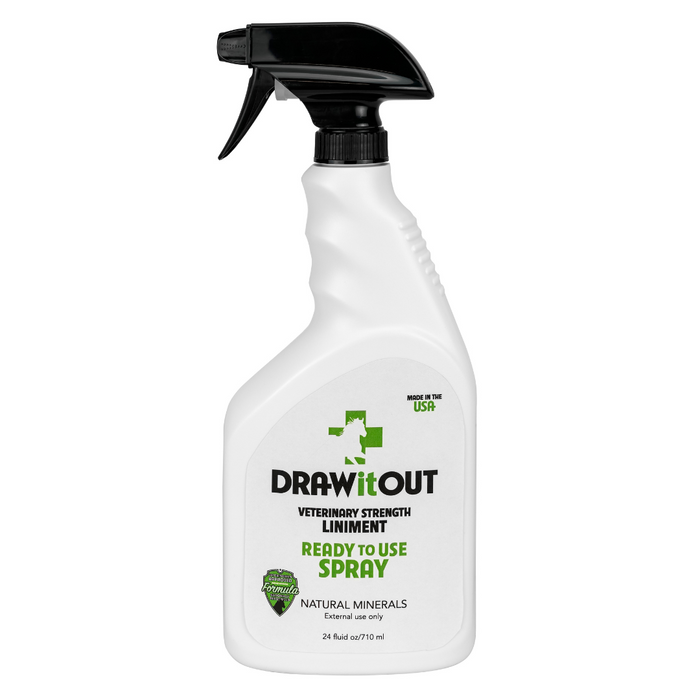
Draw It Out® RTU Spray 24oz | Ready-to-Use Liniment Spray

Ready To Use

24oz RTU Spray

A ready-to-use spray format for quick application after work, travel, turnout, or daily care.

View product
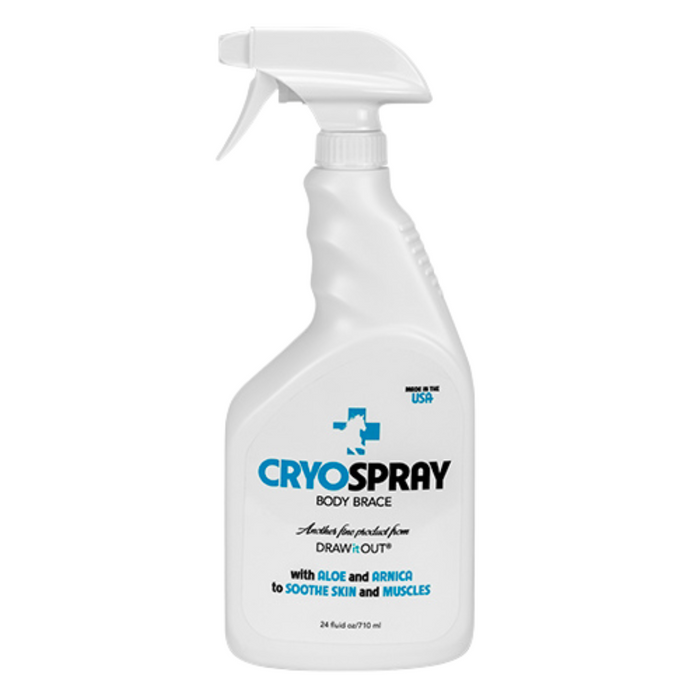
CryoSpray® by Draw It Out® 24oz | Cooling Body Brace for Horses

Cooling Brace

CryoSpray

A cooling body brace spray for riders who want a fast, practical option after hard work or hot days.

View product

Format matters. Gel, concentrate, ready-to-use spray, and cooling spray each solve a different barn problem. Pick the one your routine will actually use.

Where To Go Next

Turn the idea into a routine.

If this topic connects to what you are seeing in your horse, these are the three cleanest next steps. Start with direction, then choose the product format that fits the way your barn actually works.

Next steps

Best next move: use the Solution Finder first when the issue is unclear. Go straight to the liniment gel collection when you already know the format you want.