Trail Ride Horse Recovery: Liniment Gel and Electrolyte Routine
Trail rides may look easy, but uneven footing, hills, and long miles quietly add up. A simple post-ride routine using liniment gel and equine electrolytes helps horses stay comfortable and ready for the next ride.
Trail riding places different demands on a horse than arena work. Constant balance adjustments, varied terrain, water crossings, climbs, descents, and longer steady efforts can leave muscles tight and hydration lagging if recovery gets skipped.
The goal after a trail ride is not to make the routine complicated. The goal is to make it repeatable. A calm cool-down, simple leg care, and steady hydration make a noticeable difference over time.
Quick Recovery Routine
- Cool down at the walk before tying or trailering.
- Untack and run your hands over legs, back, loins, and girth areas.
- Apply liniment gel to worked areas as part of your normal routine.
- Offer clean water and support hydration when conditions call for it.
- Allow light movement afterward when possible.
Cool Down Before You Dismount for Good
End every ride with a relaxed walk for 10 to 15 minutes. This allows breathing to normalize and gives muscles time to unwind before the horse stands still.
- Stay at a loose, forward walk.
- Avoid tying or stalling immediately after hard trail work.
- Let the horse stretch naturally.
- Use the walk back to feel for shortness, guarding, or unevenness.
Check Legs and Body After the Ride
Once untacked, run your hands over the legs, back, and girth area. Trail terrain can stress different areas than flat arena work.
- Feel for heat or filling in lower legs.
- Check backs and loins for tight spots after hills.
- Look at fetlocks, pasterns, knees, hocks, and shoulders.
- Note areas that tend to speak up after rocky footing or longer climbs.
A hands-on check does not need to be dramatic. It gives you a baseline so you can notice what changed from ride to ride.
Use Liniment Gel for Post-Ride Support
Applying liniment gel after a trail ride is a common way riders support comfort and routine recovery after long or uneven work.
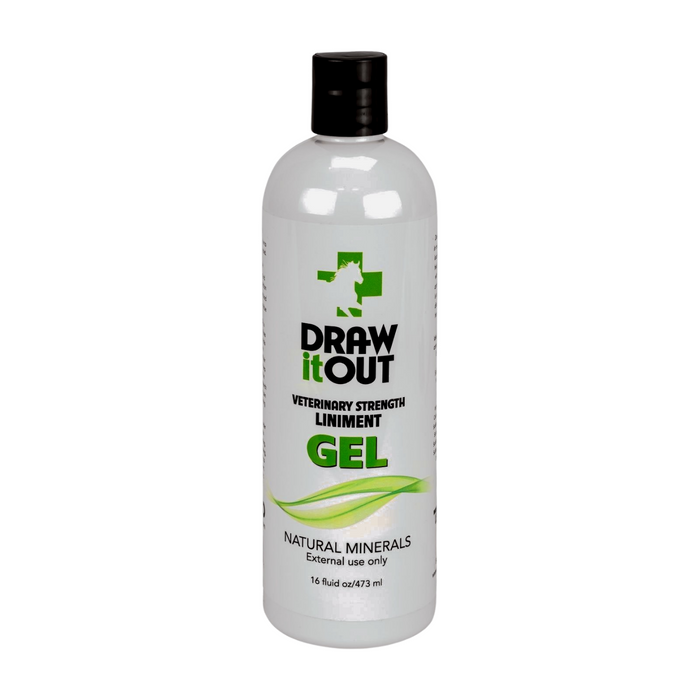
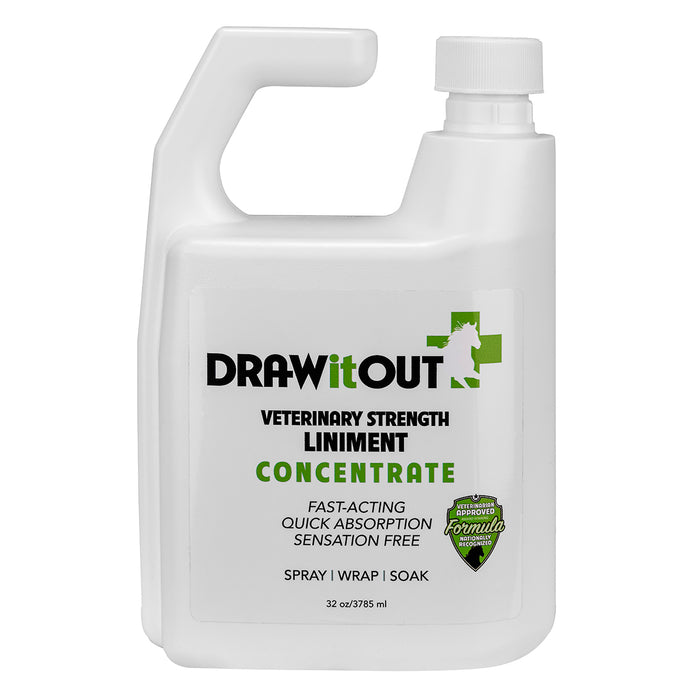
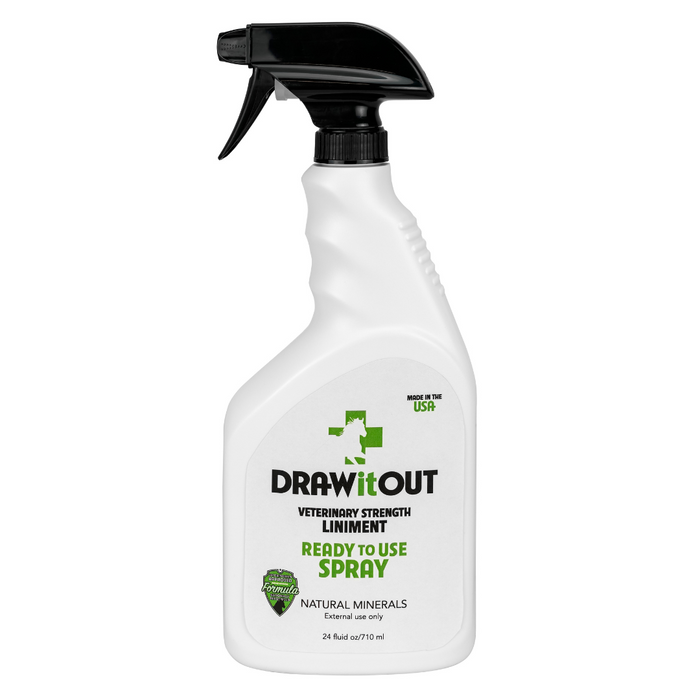
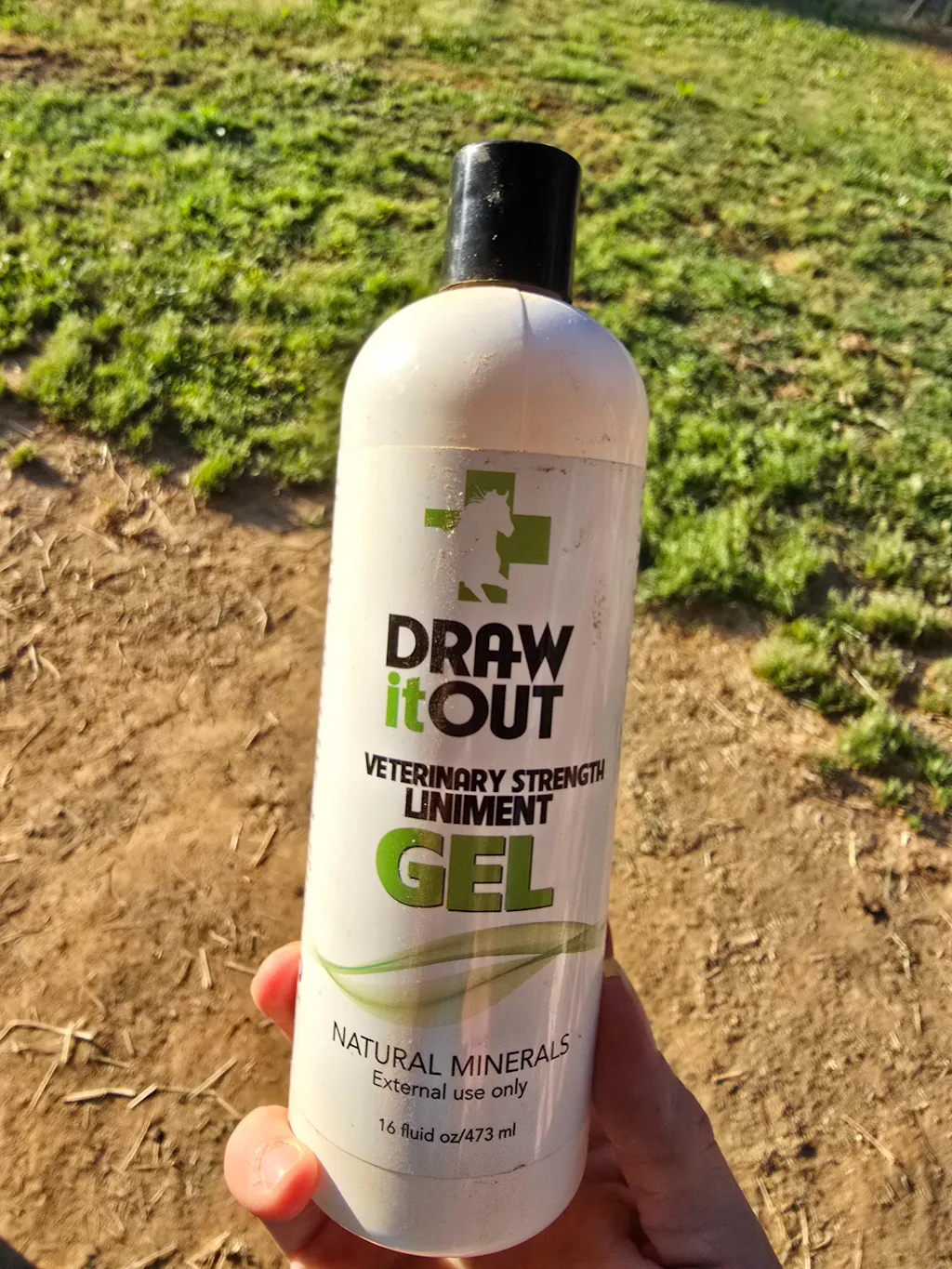
Routine Pick: Draw It Out® 16oz High Potency Horse Liniment Gel
Draw It Out® 16oz High Potency Horse Liniment Gel is designed to stay in place without heat or sting, making it suitable for tendons, joints, and muscles after work.
- Apply a thin layer to lower legs, knees, hocks, shoulders, backs, or other worked areas.
- Massage in with slow, even pressure.
- Leave open or wrap according to your normal program and label directions.
- Use consistently instead of waiting for a horse to feel rough.
Liniment gel is most valuable when it becomes part of the routine, not just something pulled out after a hard day.
Support Hydration After Trail Rides
Trail rides often involve steady sweating even when the ride does not feel intense. Hydration support should continue after untacking, especially in heat, humidity, hauling, or longer mileage.
Hydration Pick: Hydro-Lyte® with GastroCell®
Hydro-Lyte® with GastroCell® is an equine electrolyte option commonly used to support hydration and digestive comfort during work and heat.
- Provide clean, familiar water immediately.
- Follow label directions for electrolyte use.
- Keep routines consistent to encourage steady intake.
- Monitor recovery in hotter weather, during hauling, or after longer trail days.
Learn more about hydration strategy in the Hydro-Lyte® horse electrolyte guide.
Use Light Movement Instead of Immediate Stall Time
After a short rest, gentle movement helps prevent post-ride stiffness. This is especially useful after hills, water crossings, uneven ground, and long slow miles.
- Hand walk or turnout if conditions allow.
- Avoid prolonged stall time immediately after riding.
- Keep movement easy, quiet, and relaxed.
- Watch how the horse feels later that evening and the next morning.
Building a Trail Ride Recovery Habit
Good trail care is not built around one perfect product or one perfect step. It is built around a repeatable rhythm your horse understands.
- Walk out.
- Untack slowly.
- Check the horse with your hands.
- Apply liniment gel where the work showed up.
- Offer water and electrolyte support when needed.
- Let the horse move lightly afterward.
Simple routines are easier to repeat. Repeated routines are what keep horses feeling better ride after ride.
Plain-English Summary
After a trail ride, cool your horse down at the walk, check legs and body by hand, apply liniment gel to worked areas, support hydration, and allow light movement before long stall time.
Related Resources
Trail Ride Recovery FAQ
Should I use liniment gel after trail riding?
Many riders use liniment gel after trail rides as part of their normal recovery routine, especially after hills, longer mileage, uneven footing, or hauling.
Do trail horses need electrolytes?
Trail horses may benefit from electrolyte support when they sweat, travel, work in heat, or ride for longer durations. Always follow label directions and make clean water available.
Where should I apply liniment gel after a trail ride?
Common areas include lower legs, knees, hocks, shoulders, backs, loins, and other areas that worked hard during the ride. Apply according to label directions.
What is the most important part of trail ride recovery?
Consistency. A simple routine repeated after each ride is more useful than a complicated routine you only follow after hard days.
General information only. Always follow label directions and consult your veterinarian when adjusting care routines or if your horse shows unusual soreness, heat, swelling, lameness, or behavior changes.