May 28, 2026
Horse Bends Better One Direction? What Real Riders Should Check First
A Real Rider Resource guide for horses that bend easier one direction than the other. Learn what to notice first, including rider balance...

Real Rider Resource
A horse that turns dull, stiff, swollen, or feverish after possible tick exposure needs more than barn guessing. Tick-borne disease concerns should be veterinarian-led.
Equine anaplasmosis can look confusing from the barn aisle because it may show up as a horse that simply seems off. The horse may be dull, reluctant to move, stocked up, stiff, not eating normally, or uncomfortable in a way that does not fit the usual routine.
That overlap is why riders should not guess from one sign. The combination of illness signs and possible tick exposure changes the conversation.
If the horse has fever, dullness, limb swelling, or sudden stiffness, call the veterinarian and document what changed.
Many horse health problems can create dullness, stiffness, swelling, fever, or poor appetite. Your veterinarian can help sort the difference between routine soreness, an illness concern, hoof pain, or a tick-borne disease question.
That is why testing and professional evaluation matter. The horse needs the right answer, not the loudest opinion in the barn.
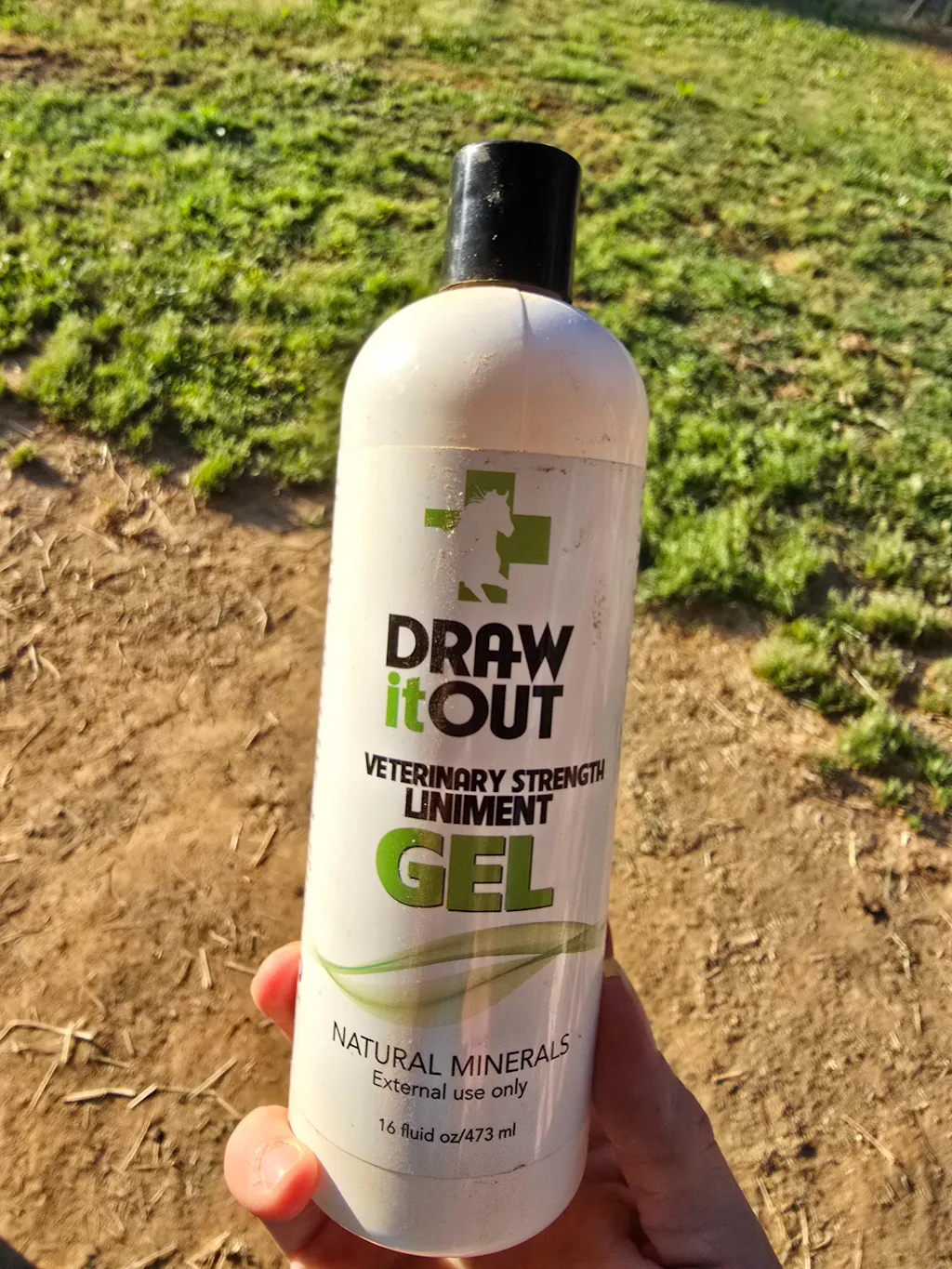
Draw It Out® products do not diagnose tick-borne disease concerns. They support normal barn routines when appropriate, but illness questions belong with the veterinarian first.
For education and care routing, visit the Horse Health Library.
Equine anaplasmosis concerns start with observation and a call to the veterinarian. Tick exposure plus fever, dullness, limb swelling, or sudden stiffness deserves a real workup, not guessing.
Educational only. This article is not a substitute for veterinary diagnosis or treatment. Fever, limb swelling, dullness, poor appetite, tick exposure, or suspected illness should be discussed with your veterinarian.
When the situation feels medical, the best product is a phone call to the vet.
A Real Rider Resource guide for horses that bend easier one direction than the other. Learn what to notice first, including rider balance...

A Real Rider Resource piece on noticing when a horse drifts through the shoulder, loses straightness, or feels harder to guide. Practical...

A Real Rider Resource guide for checking rider hands, balance, fatigue, tack fit, mouth comfort, body soreness, and recovery when a horse...
Want a smarter way to handle soreness, heat, swelling, and post-ride leg care? Visit our Performance Recovery Hub for clear routines and product guidance.
Visit the Recovery Hub!