Apr 26, 2026
Horse Sore After the Farrier? What to Check First
A practical rider guide for post-trim soreness, hoof checks, red flags, and safe liniment gel support.

Real Rider Resource
EIA is not a casual barn rumor. It is a serious horse-health and movement-rule issue where paperwork, testing, clean equipment, insect control, and veterinary guidance matter.
Most riders hear about Equine Infectious Anemia through one word: Coggins.
The test shows up before shows, sales, boarding, interstate movement, and certain events. For a lot of people, it becomes another piece of paperwork to keep in the truck. But the reason behind the paperwork matters.
EIA is serious enough that guessing, ignoring rules, or traveling without current documentation can create problems far beyond one horse.
Keep your Coggins current where required and follow the rules for the place you are going, not the place you wish you were going.
A Coggins test is used to screen for EIA. Your veterinarian handles the testing process and documentation. The rules around timing, location, travel, and event requirements should be confirmed before you load the trailer.
Good paperwork is not bureaucracy for the sake of bureaucracy. It protects horses, barns, shows, sales, and movement systems.
Do not assume last year’s rule still applies. Requirements can vary by state, venue, event, boarding facility, sale company, and travel plan.
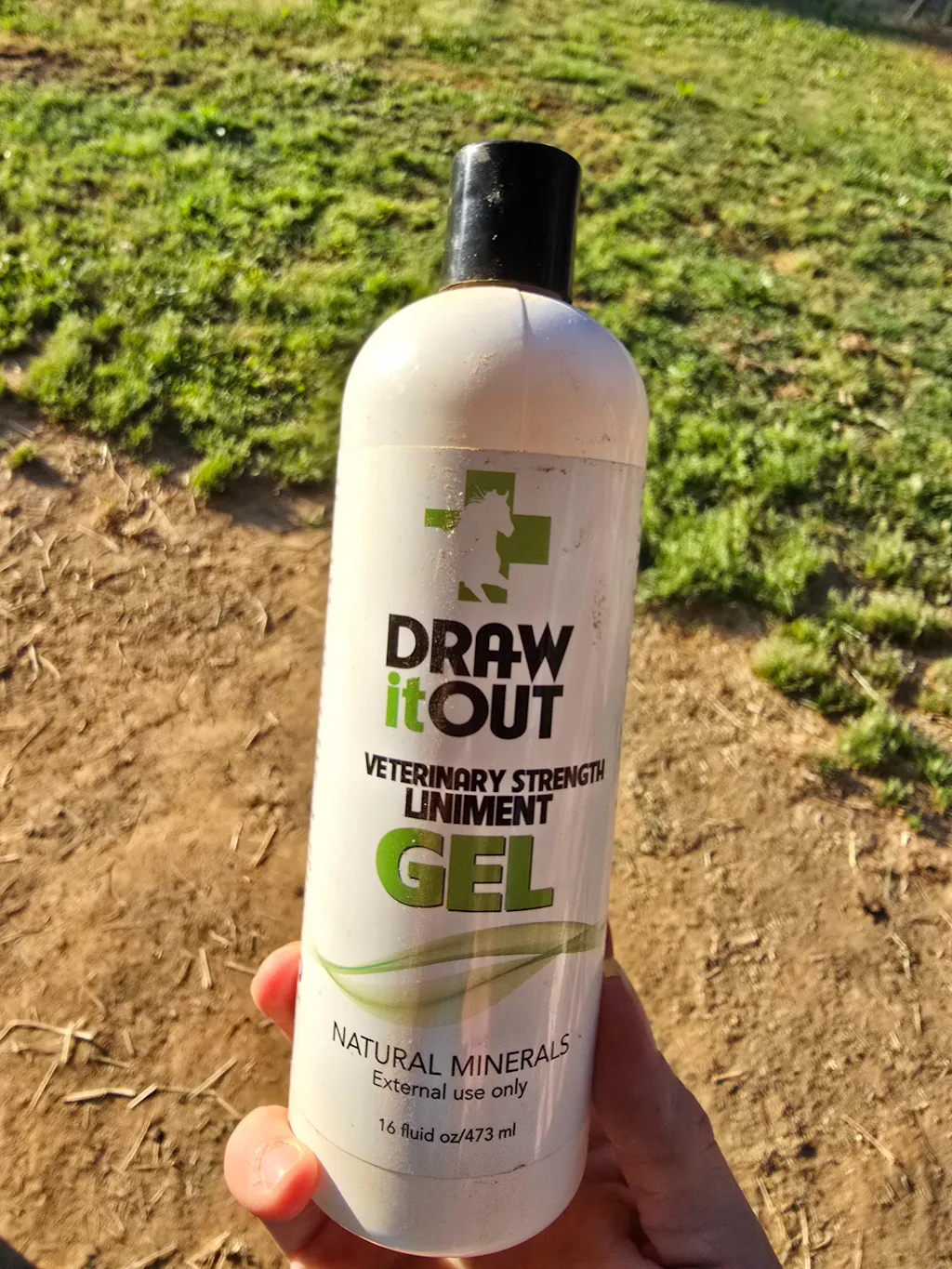
Draw It Out® products do not replace testing, rules, or veterinary guidance. They can support normal barn routines around insect pressure, grooming, and hygiene, but EIA questions are governed by testing and animal-health rules.
For broader horse-care education, visit the Horse Health Library.
EIA is not handled by optimism. Keep Coggins records current, check movement rules, manage insects, use clean equipment, and let your veterinarian and state animal-health requirements guide the process.
Educational only. This article is not a substitute for veterinary or regulatory guidance. Coggins testing, EIA questions, travel rules, sale requirements, and positive-test procedures should be handled through your veterinarian and state animal-health officials.
When the situation feels medical, the best product is a phone call to the vet.
A practical rider guide for post-trim soreness, hoof checks, red flags, and safe liniment gel support.
If your horse feels more tired as work increases this spring, you are not imagining it. Transition fatigue is real, and it is often misun...
A practical guide to reading horse liniment labels before show season, with a simple way to spot hot ingredients, vague claims, and routi...
Want a smarter way to handle soreness, heat, swelling, and post-ride leg care? Visit our Performance Recovery Hub for clear routines and product guidance.
Visit the Recovery Hub!