Apr 26, 2026
Horse Sore After the Farrier? What to Check First
A practical rider guide for post-trim soreness, hoof checks, red flags, and safe liniment gel support.

Real Rider Resource
Foal care is not the place for barn guessing. The first hours matter: nursing, colostrum, umbilical care, clean bedding, mare monitoring, and a veterinarian-led plan can shape the foal’s entire start.
A healthy foal looks simple from a distance: stand, nurse, sleep, stretch, repeat. But experienced horse people know better. New foals can change fast, and the small signs matter.
The best foal care is calm, clean, and observant. It respects the mare. It respects the timeline. It involves the veterinarian early. And it keeps the barn from turning a miracle into a mess by trying to do too much, too late, or too casually.
With foals, waiting to “see how it goes” can cost time you do not get back. When something seems wrong, call the veterinarian.
Foals do not always give you a long warning. Call your veterinarian quickly for weakness, failure to nurse, fever, diarrhea, swollen joints, labored breathing, depression, colic signs, abnormal umbilical discharge, or a foal that simply does not look right.
That last phrase matters. If the foal does not look right, trust the discomfort. Good horsemen do not wait until a foal is obviously crashing before asking for help.
Clean bedding, clean hands, clean buckets, clean tools, and low-stress handling all matter. A foaling stall does not have to look like a hospital, but it should not look like a feed room after a windstorm either.
The mare is the foal’s first nutrition program. Watch her body condition, milk production, appetite, water intake, and comfort. As the foal grows, nutrition decisions should be made with your veterinarian or equine nutrition professional.
Rapid growth is not automatically better. Balanced growth, good hoof care, safe turnout, appropriate handling, and veterinary milestones matter more than pushing a foal to look impressive early.
Foals need kind, consistent handling. They do not need to be treated like toys. Short, calm sessions are better than long battles. Teach respect without roughness. Build trust without letting the foal climb into your lap or push people around.
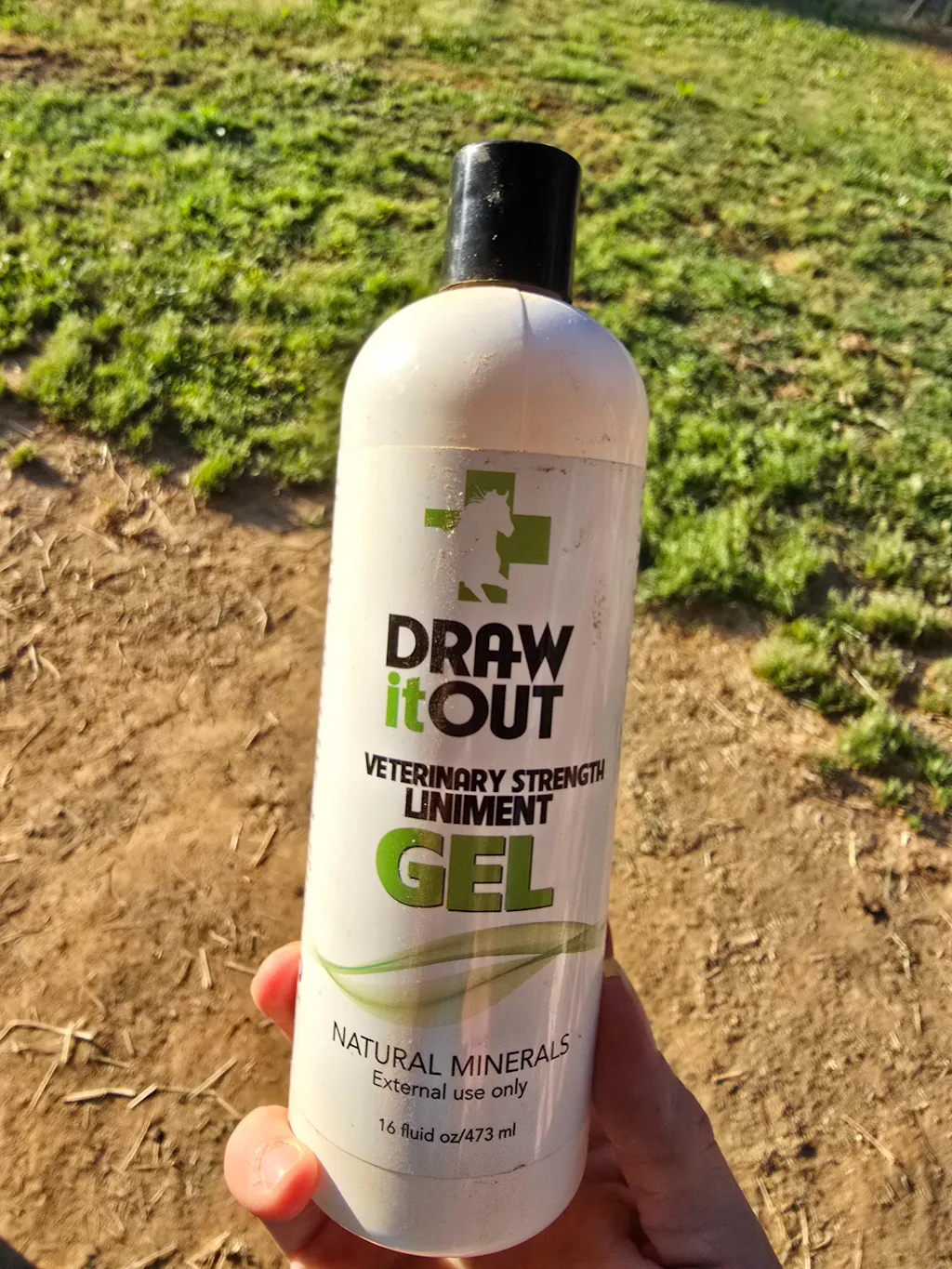
Foal health decisions belong with the veterinarian. Draw It Out® products can support the surrounding barn routine—clean stalls, gentle grooming, insect pressure awareness, hydration planning for the mare, and organized daily care—but products do not replace foal medicine.
Daily Routine Picks can help keep the barn-care shelf organized. For broader education, visit the Horse Health Library.
The milestones change as the foal grows: newborn checks, IgG discussion, mare care, deworming guidance, vaccination planning, hoof care, turnout, handling, nutrition, and weaning strategy. Build the calendar with professionals instead of copying another barn’s schedule.
Foal care rewards clean habits, early attention, and humility. Watch the foal. Watch the mare. Keep the environment clean. Call the veterinarian early. A good start is built one careful check at a time.
Educational only. This article is not a substitute for veterinary diagnosis or treatment. Newborn foal care, colostrum, IgG testing, umbilical care, illness signs, vaccination, deworming, and nutrition should be discussed with your veterinarian.
Daily liniment gel use is safe when the formula is designed for it and the routine stays measured.
A practical rider guide for post-trim soreness, hoof checks, red flags, and safe liniment gel support.

If your horse feels more tired as work increases this spring, you are not imagining it. Transition fatigue is real, and it is often misun...

A practical guide to reading horse liniment labels before show season, with a simple way to spot hot ingredients, vague claims, and routi...
Want a smarter way to handle soreness, heat, swelling, and post-ride leg care? Visit our Performance Recovery Hub for clear routines and product guidance.
Visit the Recovery Hub!