

Jun 09, 2026
The Morning-After Horse Check: What Real Riders Notice Before the Next Ride
The ride does not end when the saddle comes off. The next morning tells you what yesterday really cost. Here is a practical real-rider ch...

There’s a specific moment every rider recognizes.
The horse isn’t lame. Not exactly. But something feels off.
The front end gets tight. The stride shortens. The movement turns choppy.
It’s subtle enough to question. But obvious enough you know it’s real.
Riders describe it a few different ways:
This isn’t always immediate lameness. Often, it’s an early warning signal.
One of the most common causes.
Clue: Often worse on firm footing.
Horses coming off hard work or inconsistent warm-ups often show this first in the front end.
Clue: Improves as the ride continues.
Early inflammation in the fetlock or knee can shorten stride before visible lameness appears.
Clue: Worse on circles or turns.
A poorly fitted saddle can restrict shoulder movement.
Clue: Only shows under saddle, not at liberty.
These small observations matter more than guessing.
At that point, it’s no longer a “monitor it” situation.
Short striding in front rarely exists in isolation.
It often connects to broader movement patterns—compensation, workload shifts, or early stress signals.
Understanding it early gives you options.
Ignoring it usually removes them.
Rider awareness is not overthinking. It is noticing the small change before it becomes the big one.
The ride does not end when the saddle comes off. The next morning tells you what yesterday really cost. Here is a practical real-rider ch...

A Real Rider Resource hub for horse cool-down and leg care: walking out, hosing, cooling boots, boot heat, liniment, wraps, and when to s...
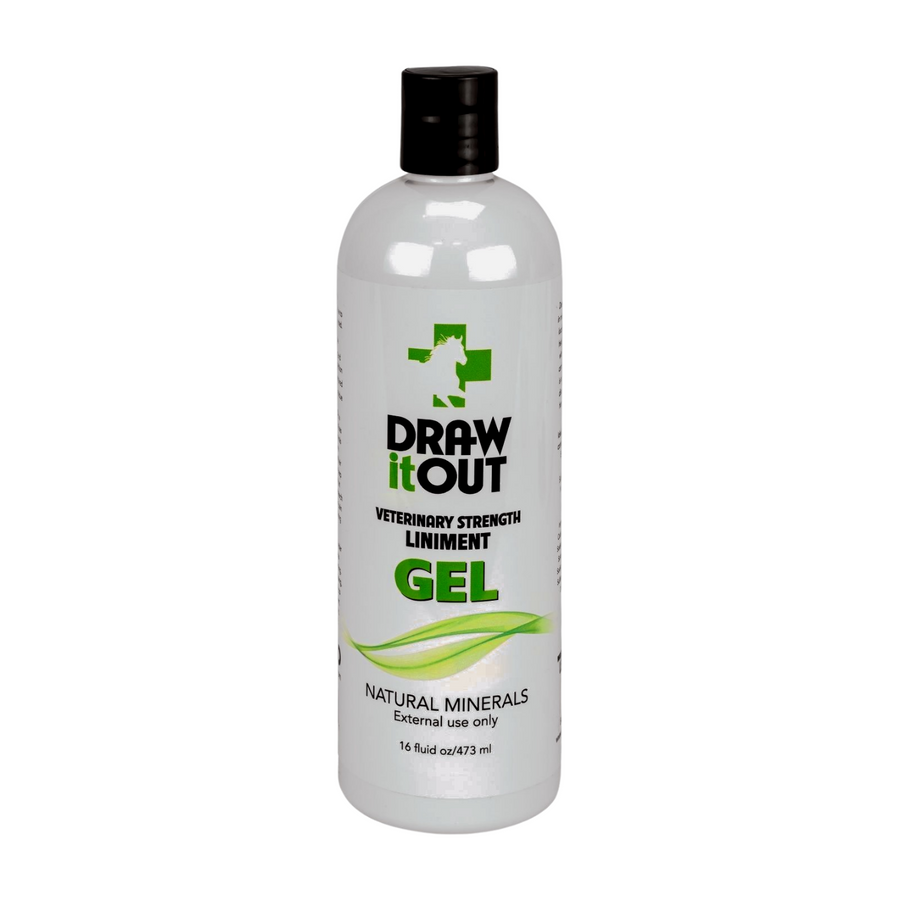
A practical Real Rider Resource on building a horse care routine that real barns, busy riders, and working horse owners can actually stic...
Want a smarter way to handle soreness, heat, swelling, and post-ride leg care? Visit our Performance Recovery Hub for clear routines and product guidance.
Visit the Recovery Hub!