Real Rider Resource
Horse Stiff at Start of Ride but Better After Warm Up? What It Means
Some horses start a ride feeling stiff, short, or resistant, then loosen up once they get moving. That improvement can be reassuring, but it can also hide an early pattern worth tracking.
A horse that feels stiff at the start of a ride but improves after warm-up may be showing normal tightness, early soreness, restriction, or a compensation pattern.
The key detail is whether the warm-up window is staying the same, getting longer, or pairing with resistance, unevenness, or declining performance.
It is easy to dismiss this pattern because the ride often ends well.
The horse starts short. They feel sticky through the back. They resist bending. Then, after ten or fifteen minutes, they feel smoother and more willing.
That improvement matters. But it does not always mean the issue disappeared.
Sometimes a horse is not working out of stiffness. They are working around it.
What Riders Usually Notice
The pattern usually shows up in small ways before it becomes obvious.
- The first few minutes feel short, tight, or uneven.
- The horse is slower to step forward freely.
- Bending takes more effort early in the ride.
- Transitions feel dull or resistant at first.
- The horse feels better once they are fully warm.
Because the horse improves, riders often normalize it.
That is the trap.
The start of the ride is often where small changes show first. By the middle of the ride, the body may be warmer, looser, and better able to compensate.
Why Warm-Up Changes the Way a Horse Feels
Warm-up changes circulation, tissue elasticity, joint motion, and mental readiness. A horse that feels stiff standing or walking off may feel better once movement increases blood flow and the body starts organizing itself for work.
That does not make the early stiffness meaningless.
It means the horse’s body is telling you something before work masks it.
The most common mistake is judging the horse only by how they finish the ride.
A better habit is to compare how they feel at minute one, minute ten, and the day after.
What This Pattern Can Point To
1. Mild daily stiffness
Some horses are naturally slower to loosen up, especially after rest days, harder work, hauling, colder weather, or changes in footing.
Mild stiffness usually improves predictably and does not keep getting worse over time.
2. Early soreness
Soreness can be most noticeable before the horse is warm. Once moving, the horse may feel more comfortable for a while.
This is where tracking matters. A horse that needs longer and longer to feel normal may be showing a developing pattern.
3. Restriction through the body
Stiffness may show through the neck, shoulder, back, hip, or hind end. The rider may feel it as crookedness, a short stride, resistance to bend, or trouble stepping under.
4. Compensation
Some horses improve because they find a way to move around the uncomfortable area.
That can make the ride feel better without solving the reason they started stiff.
How to Read the Pattern
| What you notice | What it may suggest |
|---|---|
| Horse improves within a few minutes and stays consistent | Often mild stiffness or normal warm-up need |
| Horse needs a longer warm-up than they used to | Possible developing soreness, restriction, or workload mismatch |
| Horse improves, then fades again later in the ride | Possible fatigue or discomfort under workload |
| Horse is stiff at the start after every rest day | Recovery between rides may need closer attention |
| Horse warms out of stiffness but adds resistance | Worth looking deeper with your trainer, farrier, bodyworker, or veterinarian |
What to Track Before You Overreact
One stiff start does not tell the whole story. A pattern does.
- How many minutes does it take for the horse to feel normal?
- Is that time increasing?
- Does the stiffness show on both reins or one direction more than the other?
- Does the horse feel better after turnout, hand walking, or lighter work?
- Does the same stiffness return after standing in the stall or trailer?
Those notes help separate a normal warm-up preference from something that deserves more attention.
When It Becomes a Red Flag
The concern is not that a horse needs warm-up. Most horses do.
The concern is change.
- The horse needs more warm-up than before.
- The first steps look shorter or more uneven over time.
- The horse starts resisting work they used to accept.
- The stiffness returns after the ride or the next day.
- The horse improves under saddle but still looks uncomfortable on the ground.
When the pattern is getting stronger, do not let the good middle of the ride talk you out of what the first five minutes are showing you.
Where Routine Helps
A good routine does not replace good horsemanship, veterinary guidance, farrier balance, saddle fit, or proper conditioning.
It does give you a steadier baseline.
For horses that often start stiff, build your care around consistency. Look at turnout, workload, footing, recovery time, and how the horse feels before the ride begins.
A simple rider-first approach
- Start with a longer walk than you think you need.
- Track how quickly the horse loosens up.
- Compare start-of-ride feel across several rides.
- Support recovery between rides, not just after hard work.
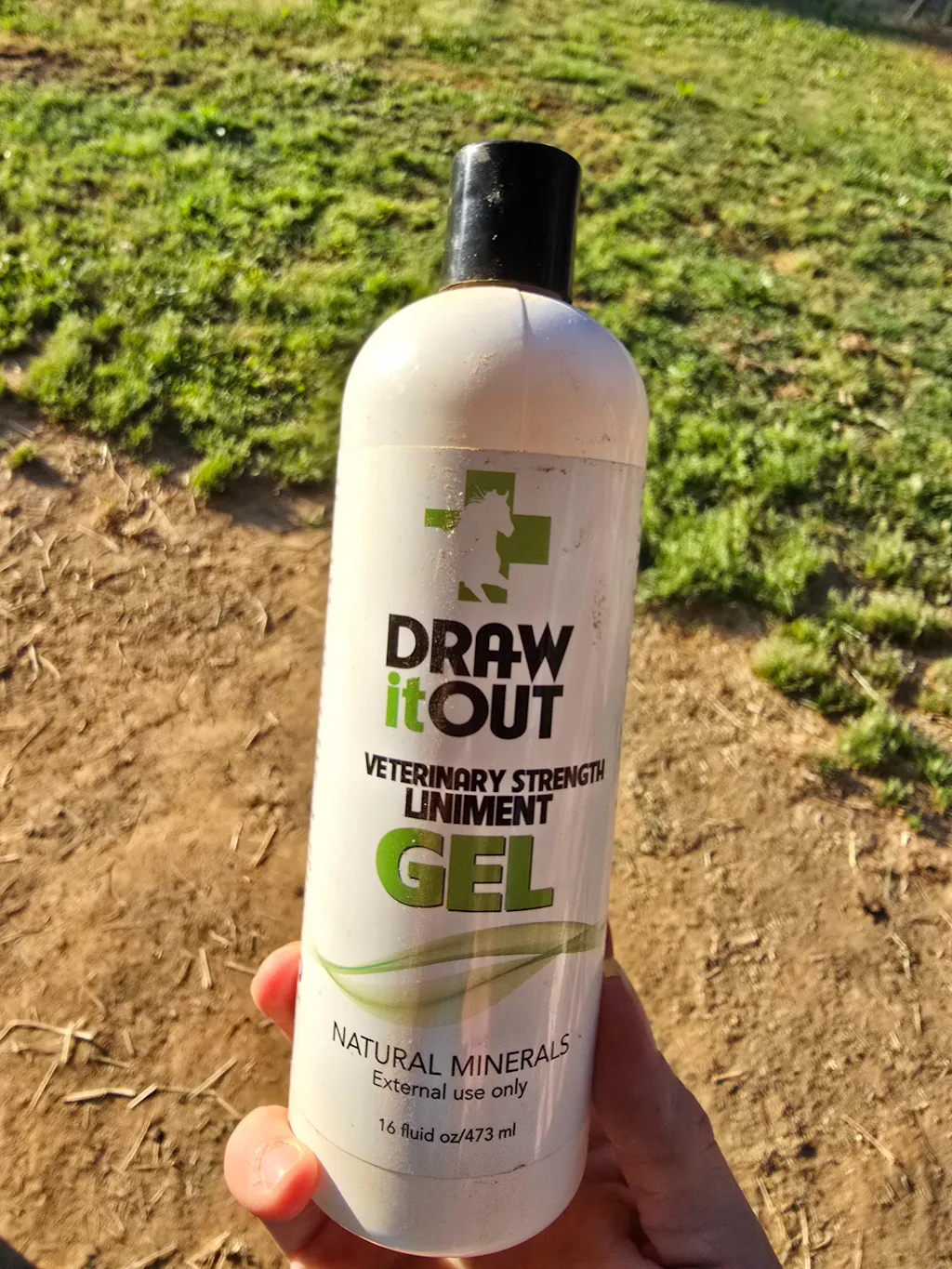
- Use product routines as part of a bigger horse-first system.
The Bottom Line
A horse that starts stiff but improves after warm-up is not automatically in trouble.
But the pattern deserves respect.
Improvement tells you movement helped. It does not always tell you why the horse needed help in the first place.
Watch the first five minutes. Track the trend. Build the routine before the horse has to shout.
FAQ: Horse Stiff at Start of Ride
Is it normal for a horse to be stiff at the start of a ride?
Some mild stiffness at the start can be normal, especially after rest, colder weather, hauling, or a harder workload. The important question is whether the stiffness is consistent, improving, or getting worse over time.
Why does my horse get better after warming up?
Movement increases circulation, helps tissues become more elastic, and allows the horse to organize their body for work. That can make stiffness feel better, but it can also temporarily hide soreness or compensation.
Should I ride a horse that warms out of stiffness?
Use judgment. If the horse is mildly stiff but improves quickly and moves comfortably, a careful ride may be reasonable. If stiffness is increasing, uneven, paired with resistance, or not improving, stop and involve the right professional support.
How long should it take a horse to warm up?
It depends on age, workload, weather, footing, fitness, and the individual horse. A useful benchmark is your horse’s normal. If the warm-up window is getting longer, that change matters.
What should I do if my horse needs a longer warm-up than before?
Track the pattern for several rides, compare both directions, check recovery between rides, and consider saddle fit, farrier balance, workload, and veterinary input if the trend continues.
This article is for general horse-care education only. It is not a diagnosis and does not replace veterinary guidance. If your horse shows persistent stiffness, unevenness, pain behavior, or a sudden change in movement, consult your veterinarian or qualified equine professional.