Spring Diet Changes in Horses: Why Nutrition Shifts Before You Notice
Spring does not just change the pasture. It changes how your horse fuels work, recovers, and adapts. The shift often starts before body condition, attitude, or performance make it obvious.

It starts in the pasture.
That first flush of green.
Soft. Rich. Full of life.
It looks like progress. Like abundance.
But what is happening in that grass, and how your horse processes it, can shift the whole equation faster than most riders expect.
Because spring nutrition is not just about more.
It is about different.
The grass changes before the horse does
Winter feeding is usually steady. Hay-based. Measured. Predictable.
Spring introduces movement into the feed program even if you never touch the grain bin.
- Fresh pasture carries more moisture than dry hay
- Young forage changes quickly in nutrient density
- Early growth often contains more rapidly available carbohydrates than mature summer grass
At the same time, many horses start doing more. Turnout increases. Training picks up. Hauling starts again. The body is adapting to new fuel and new demand at once.
Why energy can feel bigger but less useful
One of the first things riders notice in spring is extra energy.
But increased energy does not automatically mean better balance.
Sometimes it shows up as sharpness without stamina. Impulsion without steadiness. Brightness at the start of a ride followed by a flatter finish than expected.
That is not always a training issue. Sometimes it is the body sorting through a nutritional transition that happened before the rider saw it clearly.
The sugar shift many riders underestimate
Early spring forage can be especially rich under certain conditions. Cool nights followed by sunny days often change how grass stores sugars. Short grazing windows followed by sudden access can magnify intake even more.
For some horses, that affects more than mood. It can influence metabolic steadiness, digestive comfort, and the way energy feels under saddle.
That does not make spring grass bad. It makes it potent.
Digestion has to recalibrate
The digestive system does not instantly adjust just because the pasture changed color.
Microbial populations in the hindgut need time to adapt to a new forage profile. Moisture shifts. Fermentation patterns shift. Intake behavior often shifts too.
Sometimes the signs are subtle:
- Manure consistency changes a bit
- Water intake changes
- Appetite patterns feel slightly different
- The horse looks bright but not fully settled
Those are often early signals that adaptation is underway.
Workload is rising at the same time
This is the part riders miss.
Spring rarely changes just one variable.
While nutrition gets less predictable, work usually gets more demanding.
- More rides per week
- Longer sessions
- More collection, more hill work, more conditioning
- More hauling and more environmental stress
The horse is trying to build fitness, recover from work, regulate hydration, and adapt to different forage all at once.
That is why spring can feel easy on the surface and complicated underneath.
Why this is the wrong time for overcorrection
When a horse feels different in spring, it is tempting to react fast.
Cut pasture hard. Change the whole feed room. Add a stack of supplements overnight.
Usually that creates more noise.
A better approach is to watch patterns before chasing symptoms.
- Is energy steady or spiky
- Is recovery improving or getting less consistent
- Is the horse drinking normally
- Do transitions in work feel stronger or flatter than expected
The goal is not to micromanage every blade of grass. The goal is to notice when the system is adapting and support it without adding chaos.
Nutrition affects recovery even when the issue looks external
Riders often separate feed from performance support. The horse does not.
Internal balance influences tissue recovery, hydration, workload tolerance, and how comfortably the body comes back the next day.
That is one reason hydration support becomes more relevant during spring work, especially as temperatures rise and sweat losses become less obvious than they are in peak summer. For horses in training, hauling, or changing routine, equine electrolyte support and hydration planning can be part of keeping the transition steadier.
A prehabilitation mindset handles this season better
The best spring programs usually do not wait for a visible problem.
They stay a step ahead.
That means thinking in terms of adaptability:
- Support the horse before stress compounds
- Keep routines consistent while the environment changes
- Watch recovery as closely as you watch performance
That is the heart of Prehabilitation. It is not about doing more. It is about helping the horse absorb change before little strain turns into lost days.
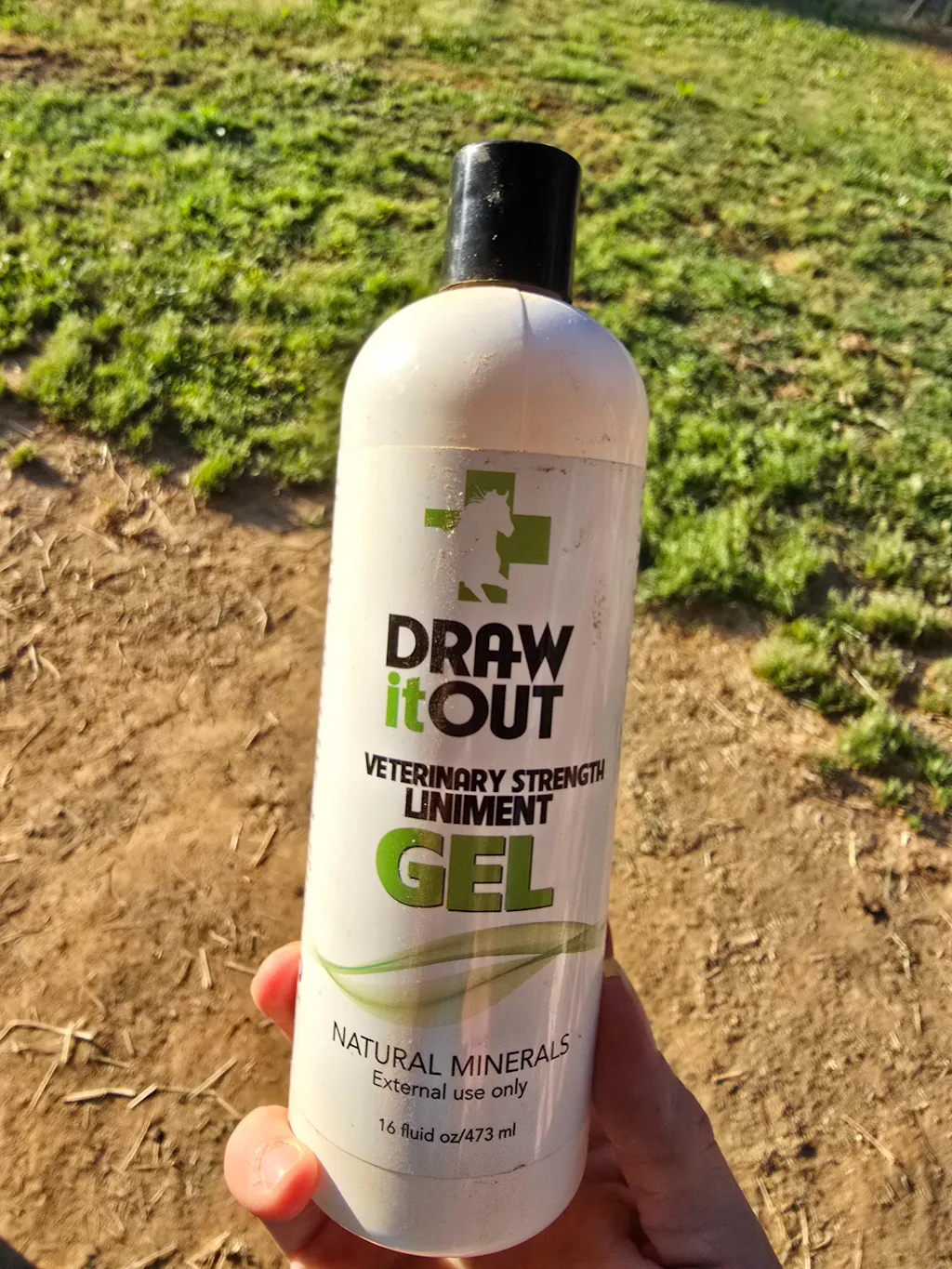
Where Draw It Out® fits in
Nutrition transitions are internal, but they still show up in movement and recovery. As workload climbs, many riders reinforce consistency with repeatable external support that fits daily barn life.
If you are sorting through what your horse needs right now, the Solution Finder is the cleanest place to start.
If your horse is working more while spring variables stack up, the liniment collection and the equine performance and recovery collection are built around steady, show-safe routines that support the outside while the inside adapts.
Spring is not just a feeding change
It is easy to think of spring as a simple upgrade.
Better grass. More riding. More progress.
But under that surface, the whole system is recalibrating.
Fuel changes. Work changes. Recovery demands change.
The riders who manage this season well are usually not the ones who react hardest.
They are the ones who notice early, stay steady, and adjust quietly.
Because in spring, what your horse eats is not just about calories.
It is about how the whole body learns to move forward again.
FAQ
Why can my horse feel different on spring grass even before body condition changes?
Because fresh spring forage can change moisture intake, sugar exposure, digestive patterns, and energy balance quickly. Those internal shifts often show up before the horse looks visibly different.
Does fresh spring grass always create a problem?
No. Spring grass is not automatically bad. It simply creates a faster nutritional change than many winter routines do, which means some horses need a more gradual transition and closer observation.
What are early signs that spring nutrition is affecting my horse?
Watch for inconsistent energy, subtle digestive changes, variable recovery after work, changes in water intake, or a horse that feels bright but not fully settled.
Should I change my whole feed program as soon as pasture greens up?
Usually no. Abrupt overcorrections can create more noise. Most horses do better with gradual changes, close observation, and routines that account for both pasture access and workload.
How does this connect to recovery support?
When nutrition, hydration, and workload all shift at once, recovery becomes less predictable. That is why many riders pair smart feed management with consistent daily support routines before and after work.
Informational only. This article is not a substitute for veterinary or nutritionist guidance. Follow product directions and work with your veterinarian for horses with metabolic or digestive concerns.