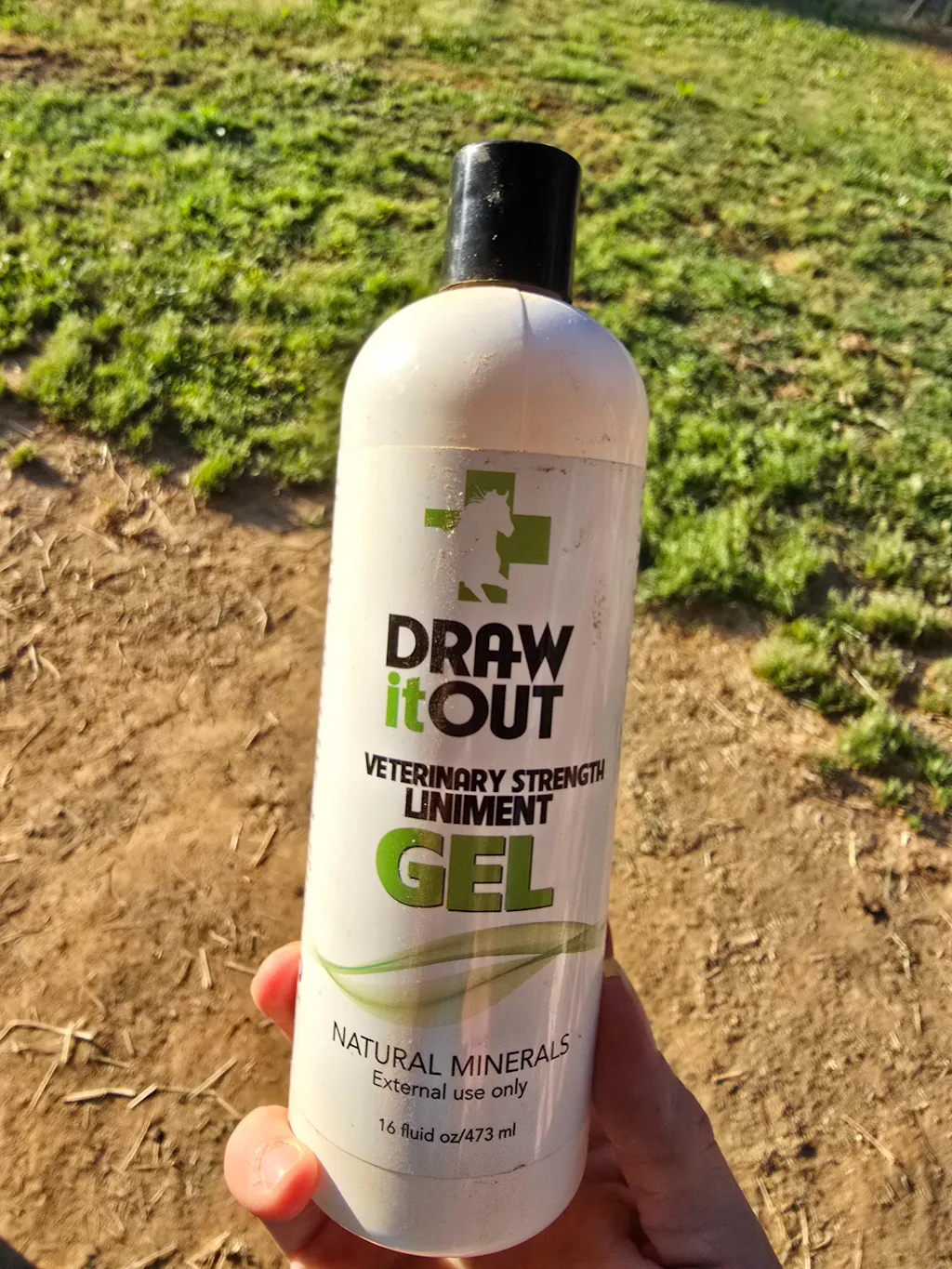
Daily recovery
Liniment Gels
Explore the Draw It Out® liniment gel lineup for everyday use, post-work routines, and targeted recovery support.
Shop liniment gels
Introduction:
Western saddles, with their iconic design and rugged appearance, are not only a symbol of the American West but also a testament to the enduring partnership between humans and horses. These saddles have undergone centuries of refinement, evolving to provide riders with comfort, stability, and control during their equestrian journeys. Whether you're a seasoned equestrian or someone just beginning to explore the world of horseback riding, gaining a deeper understanding of Western saddles is crucial. In this comprehensive guide, we aim to unravel the mysteries surrounding Western saddles by addressing five fundamental questions that are essential for any rider.
What Are the Key Components of a Western Saddle?
A Western saddle is a masterpiece of craftsmanship, consisting of various components working in harmony to ensure rider and horse comfort. Let's delve deeper into these components:
Saddle Tree: This is the foundation of every Western saddle, typically constructed from materials like wood or fiberglass and covered in high-quality leather. The saddle tree provides structure, distributes the rider's weight evenly, and is crucial for maintaining the saddle's shape.
Seat: The seat is where the rider sits and plays a pivotal role in rider comfort. Western saddles often feature deep, cushioned seats designed to accommodate long hours in the saddle.
Horn: One of the most distinctive features of Western saddles, the horn protrudes from the front of the saddle and serves various functions. It can be used for securing a lasso during roping activities or as a handhold for stability during rough rides.
Cantle: Situated at the back of the saddle seat, the cantle often features a gentle upward curve. Its primary purpose is to keep the rider secure and comfortable.
Stirrups: Attached to the saddle via stirrup leathers, these provide a stable platform for the rider's feet and play a crucial role in maintaining balance.
Skirt: The skirts are leather flaps that hang down on either side of the saddle. They serve to protect the horse's sides and provide additional stability.
What Are the Different Types of Western Saddles?
Western saddles come in various styles, each tailored to specific riding disciplines and rider preferences. Some common types include:
Trail Saddles: Designed for riders who spend long hours in the saddle exploring trails, these saddles prioritize rider comfort. They often feature extra padding and secure seat designs for extended comfort.
Roping Saddles: Roping saddles are built for the demands of cattle roping activities. They feature a sturdy horn and reinforced rigging to provide a secure seat for the rider during the intense moments of roping.
Barrel Racing Saddles: Engineered for speed and agility, barrel racing saddles are lightweight with a high cantle and deep seat. These features help riders stay securely in place during sharp turns in the barrel racing arena.
Cutting Saddles: Precision and control are paramount in cutting competitions, and cutting saddles are designed with this in mind. They feature a low horn and a close-contact design, allowing the rider to communicate effectively with the horse.
Reining Saddles: Reining saddles are optimized for the intricate maneuvers of reining competitions. They offer close contact, free-moving fenders, and a deep seat to maintain balance during spins and slides.
How Do You Choose the Right Size and Fit?
Selecting the correct size and fit of a Western saddle is of utmost importance to ensure the comfort and safety of both rider and horse. For riders, determining the appropriate seat size is essential, as it significantly impacts balance and posture. Factors such as body size, riding style, and personal preferences should be considered when selecting the seat size.
For horses, achieving the right fit is crucial to prevent discomfort and injury. An ill-fitting saddle can cause pressure points and discomfort for the horse, leading to behavioral issues and health concerns. To ensure the right fit for your horse, consider consulting with a professional saddle fitter who can assess factors such as the shape of the horse's back, shoulder angle, and wither height.
What Are the Different Rigging Options?
Rigging refers to the system of straps and attachments that secure the saddle to the horse. There are two primary types of rigging:
Full-rigging: In this configuration, both the front and back cinches are attached directly to the saddle tree. Full-rigging offers greater stability and is commonly used in activities like roping, where a secure saddle is essential for rider safety.
In-skirt rigging: With in-skirt rigging, the cinches are attached to the saddle skirt, creating a more streamlined and lightweight design. This type of rigging is often preferred in barrel racing and trail riding due to its reduced bulk.
The choice of rigging depends on your riding style and the conformation of your horse. It's essential to ensure that the rigging is adjusted correctly to prevent saddle slippage and maintain rider security.
How Do You Maintain and Care for a Western Saddle?
Proper maintenance is key to ensuring the longevity and functionality of your Western saddle. Here are some essential care tips:
Cleaning: Regularly clean your saddle with a damp cloth to remove sweat and dirt. Leather conditioner can be used to keep the leather supple and prevent cracking. For suede or roughout saddles, use a suede brush to maintain their appearance.
Storage: Store your saddle in a cool, dry place away from direct sunlight. Using a saddle cover will protect it from dust and debris.
Inspection for Wear: Routinely inspect your saddle for signs of wear, including loose stitching, cracked leather, or damage to the saddle tree. Address any issues promptly to prevent further damage and maintain rider and horse safety.
Re-flocking: If your saddle features wool flocking, have it checked and adjusted by a professional saddle fitter as needed to ensure proper padding for your horse's comfort.
Conclusion:
Western saddles are not mere riding gear; they represent a profound connection between humans and horses, steeped in history and tradition. Understanding the intricate components, diverse types, proper fit, rigging options, and maintenance practices is essential for riders and their equine partners. By choosing the right saddle and caring for it diligently, you can embark on a journey of comfort, safety, and mutual respect, whether you're exploring the open trail, competing in rodeo events, or simply enjoying a leisurely ride in the great outdoors.
This article gives you the background. If you are ready to put the idea into a real horse care routine, these are the next places most riders should go.
Explore the Draw It Out® liniment gel lineup for everyday use, post-work routines, and targeted recovery support.
Shop liniment gelsMatch your horse’s workload, age, routine, and care goals to the Draw It Out® products that make the most sense.
Use the finderLearn how riders support soundness, comfort, and consistency before little issues become bigger problems.
Read the guideReal Barn Proof
Real riders. Real horses. Real routines. These clips rotate automatically so the proof stays fresh without weighing the page down with a long feed.
Why this matters: good horse care should make sense outside the ad. These clips show the kind of everyday use that builds trust one barn at a time.
Further Reading
Horse care works better when the next step is clear. These related reads help connect today’s topic to better daily decisions in the barn.

May 10, 2026
A practical farrier-soreness guide, now routed directly to the live What Does My Horse Need page, Prehabilitation guide, and liniment collection.
Read article
May 09, 2026
If your horse feels worse the day after riding, check the pattern, workload, footing, hydration, legs, back, and how quickly they loosen up be...
Read article
Apr 30, 2026
That sudden spring change in your horse may not be training. Fresh grass sugar swings can affect comfort, movement, and behavior.
Read articleStart with the principle, then build the habit. The right article should make the next barn decision easier, not more complicated.
Next Step
Simple care guides, practical product paths, and rider-trusted tools built for real horses and real routines.
Good care gets easier when the next step is obvious. Read the guide, match the routine, then choose the format that fits how your barn actually works.
Recovery Routine
Want a smarter way to think through post-ride care, heat, swelling, leg support, and daily recovery decisions? Start with the Performance Recovery Hub.
Better recovery starts with a repeatable routine. The hub gives riders a clearer path from workload to product format to aftercare timing.
Rider Favorites
Four core Draw It Out® staples riders keep close for daily recovery routines, wash rack use, targeted support, and quick barn-side care.
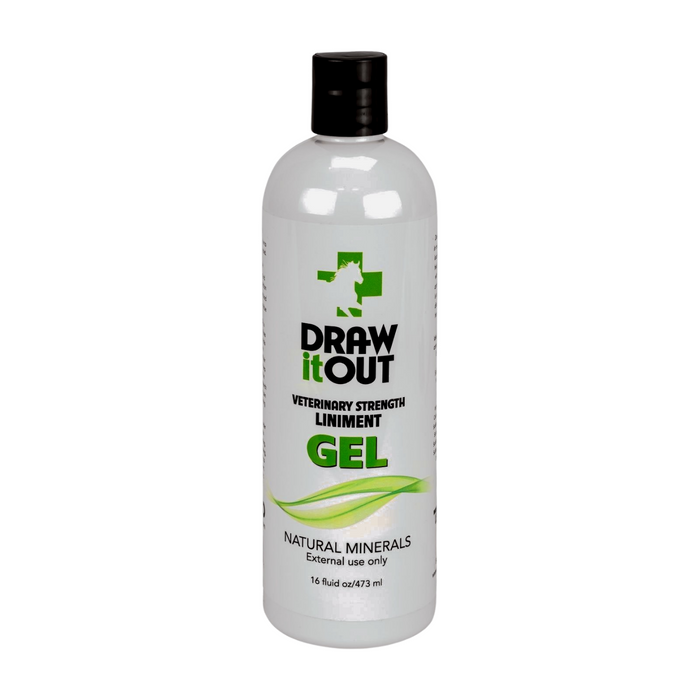
Stay-Put Gel
The everyday liniment gel format riders reach for when they want targeted, no-mess application.
View product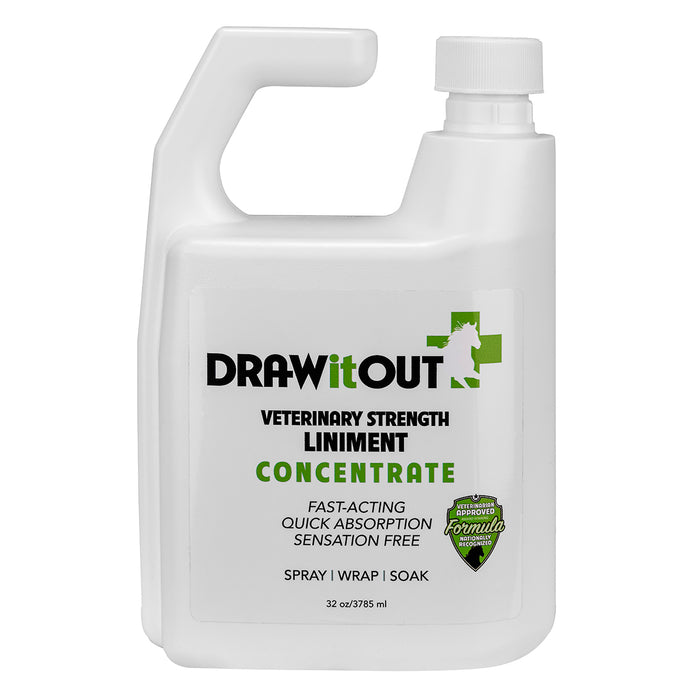
Mix Your Way
A flexible concentrate for riders who want to mix their own routine around workload and barn needs.
View product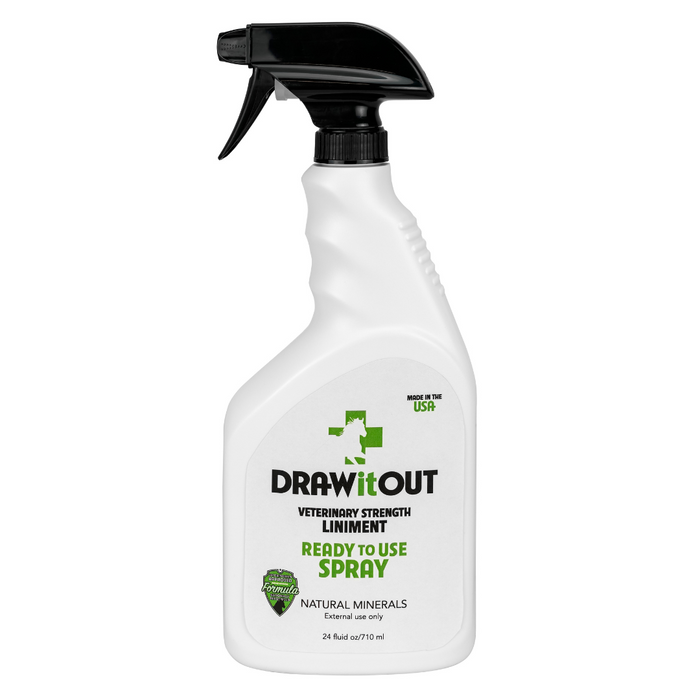
Ready To Use
A ready-to-use spray format for quick application after work, travel, turnout, or daily care.
View product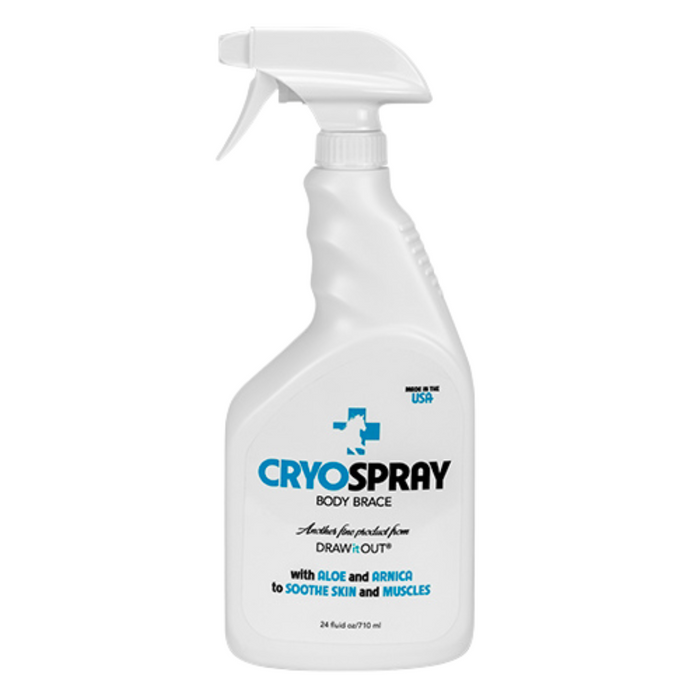
Cooling Brace
A cooling body brace spray for riders who want a fast, practical option after hard work or hot days.
View productFormat matters. Gel, concentrate, ready-to-use spray, and cooling spray each solve a different barn problem. Pick the one your routine will actually use.
!