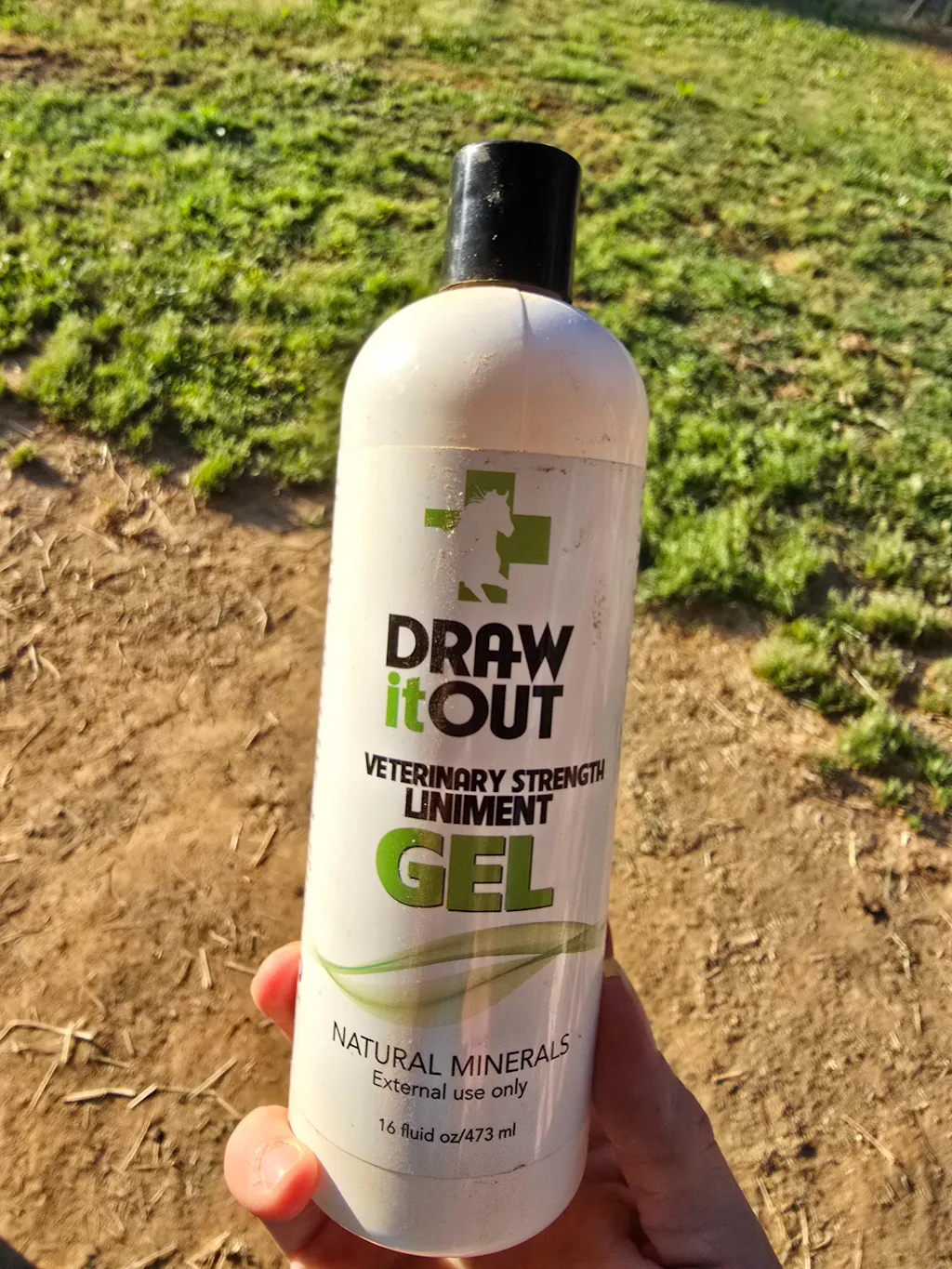
Daily recovery
Liniment Gels
Explore the Draw It Out® liniment gel lineup for everyday use, post-work routines, and targeted recovery support.
Shop liniment gels
Spring thaw does not just make a mess. It changes skin behavior. This is the calm, rider first plan to protect pasterns and keep small irritation from turning into lost ride days.
If your horse lives in wet footing, your best move is not a miracle product. It is a repeatable routine that keeps skin dry, clean, and checked often.
This article is educational and not a substitute for veterinary diagnosis.

Mud season softens the skin barrier on pasterns. The fix is simple and repeatable: keep legs truly dry each day, clean gently when needed, avoid trapping moisture under gear, and do fast lower leg checks so small irritation does not become a spring setback.
Spring thaw is not just water and dirt. It is a loop of moisture, manure load, traffic zones, and temperature swings. That mix softens the outer barrier and increases friction.
Most setbacks start small. Watch for these quiet tells before you see obvious scabs or swelling.
Even a few hours a day on cleaner footing helps the skin regain balance. If you cannot change turnout, prioritize dry stalls, dry standing areas, and a clean run that gives legs a break.
If you rinse, keep it brief and complete. Thorough rinse. Thorough dry. The mistake is rinsing and sending the horse back out damp.
Hands on checks beat guesswork. Compare left to right and note heat, puffiness, tenderness, or skin sensitivity. If something is changing, reduce exposure and keep the routine steady.
Mud season is a stress test. Consistent post ride habits keep tissue response calmer as workload builds.
Spring thaw keeps skin damp for long stretches. Moisture strips natural oils, softens the outer barrier, and increases friction from mud and grit. Small skin changes can build fast if legs never fully dry.
Not always. Aggressive daily washing can remove protective oils and leave skin damp. When you rinse, keep it brief, rinse thoroughly, then fully dry before boots, wraps, or turnout.
Look for mild heat, puffiness around the pastern, flinching during grooming, sensitivity to water, or more stamping in muddy turnout. Early attention is easier than chasing a setback later.
Prioritize real dry time, keep cleaning gentle, avoid trapping moisture under gear, and stay consistent with lower leg checks. Small daily wins keep spring conditioning on track.
Most riders either want a clearer plan for their specific horse, or they want to build a routine that prevents repeat weeks.
Deep relief in every drop, and a calm routine you can repeat all season.
This article gives you the background. If you are ready to put the idea into a real horse care routine, these are the next places most riders should go.
Explore the Draw It Out® liniment gel lineup for everyday use, post-work routines, and targeted recovery support.
Shop liniment gelsMatch your horse’s workload, age, routine, and care goals to the Draw It Out® products that make the most sense.
Use the finderLearn how riders support soundness, comfort, and consistency before little issues become bigger problems.
Read the guideReal Barn Proof
Real riders. Real horses. Real routines. These clips rotate automatically so the proof stays fresh without weighing the page down with a long feed.
Why this matters: good horse care should make sense outside the ad. These clips show the kind of everyday use that builds trust one barn at a time.
Further Reading
Horse care works better when the next step is clear. These related reads help connect today’s topic to better daily decisions in the barn.

Apr 30, 2026
That sudden spring change in your horse may not be training. Fresh grass sugar swings can affect comfort, movement, and behavior.
Read article
Apr 28, 2026
Show days reward restraint. Learn how to support performance without overworking, over-prepping, or dulling your horse.
Read article
Apr 28, 2026
Hauling is easier on horses when the routine starts before the trailer door closes. Use this simple five minute plan for loading, arrival, and...
Read articleStart with the principle, then build the habit. The right article should make the next barn decision easier, not more complicated.
Next Step
Simple care guides, practical product paths, and rider-trusted tools built for real horses and real routines.
Good care gets easier when the next step is obvious. Read the guide, match the routine, then choose the format that fits how your barn actually works.
Recovery Routine
Want a smarter way to think through post-ride care, heat, swelling, leg support, and daily recovery decisions? Start with the Performance Recovery Hub.
Better recovery starts with a repeatable routine. The hub gives riders a clearer path from workload to product format to aftercare timing.
Rider Favorites
Four core Draw It Out® staples riders keep close for daily recovery routines, wash rack use, targeted support, and quick barn-side care.
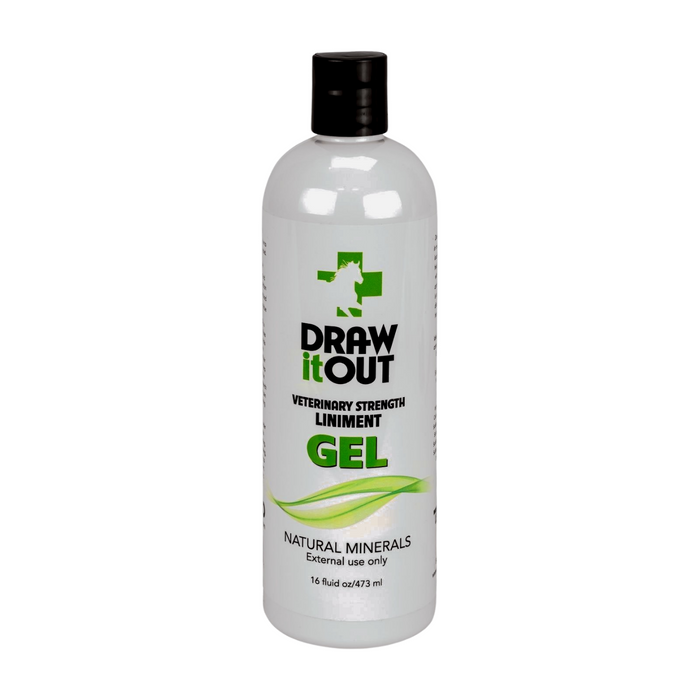
Stay-Put Gel
The everyday liniment gel format riders reach for when they want targeted, no-mess application.
View product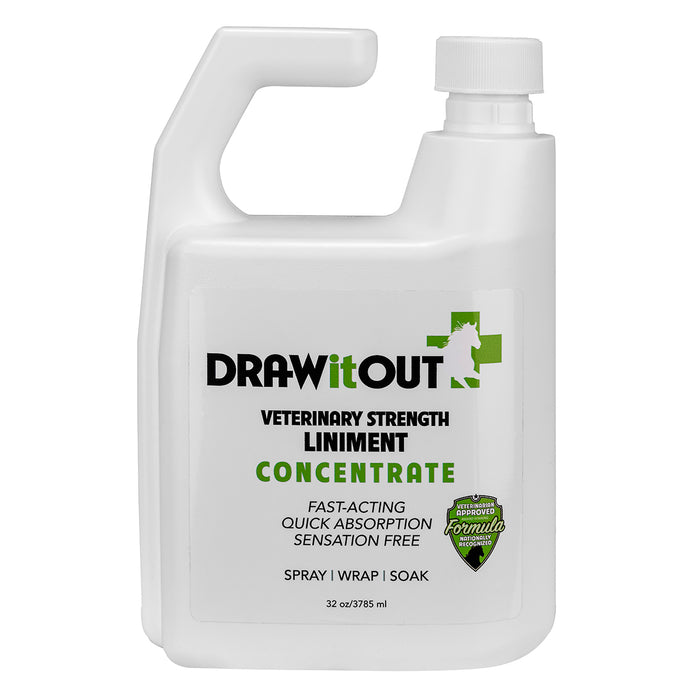
Mix Your Way
A flexible concentrate for riders who want to mix their own routine around workload and barn needs.
View product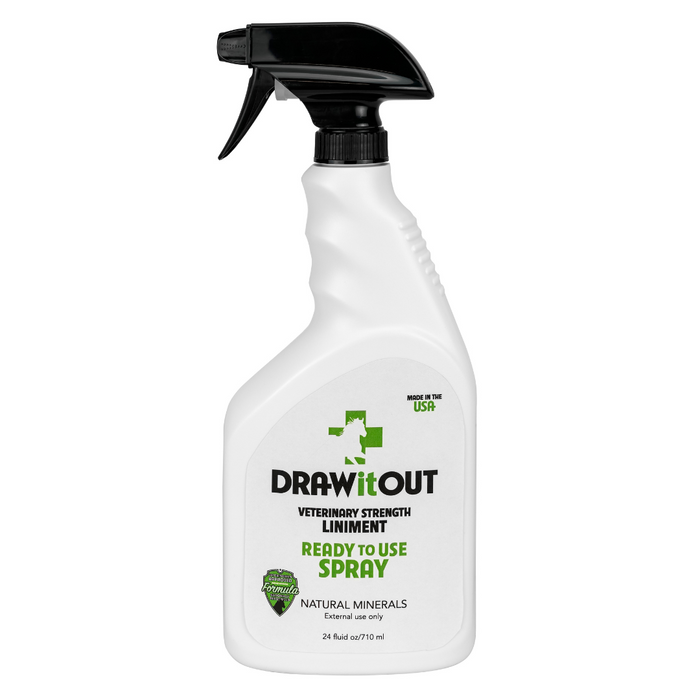
Ready To Use
A ready-to-use spray format for quick application after work, travel, turnout, or daily care.
View product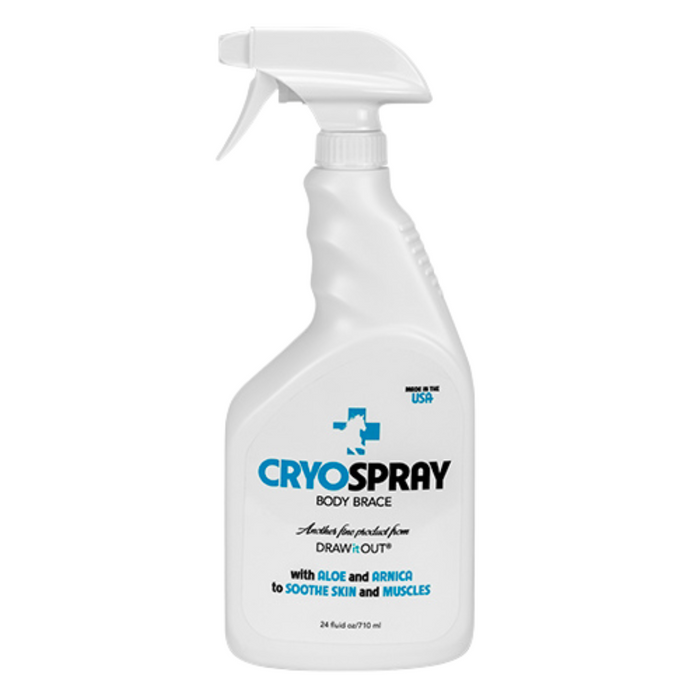
Cooling Brace
A cooling body brace spray for riders who want a fast, practical option after hard work or hot days.
View productFormat matters. Gel, concentrate, ready-to-use spray, and cooling spray each solve a different barn problem. Pick the one your routine will actually use.
!