Workload
Longer ride, harder ride, new exercise, hills, circles, jumps, speed, turns, or more repetition?

Muscle soreness checklist
Soreness is information. Find out what changed before you repeat the work. Product belongs after the check, not before the truth.
Quick answer: If your horse seems sore after work, check workload, footing, warmup, cooldown, saddle fit, hydration, heat, travel, body sensitivity, and next-day movement before adding more training pressure or changing products.
Body soreness usually has a trail. Follow it.
A horse that feels sore after work may be telling you something simple: the work changed, the footing changed, the warmup was rushed, the cooldown was too short, the saddle fit changed, the horse was tired, or the weather and hydration picture shifted.
The mistake is calling every sore-feeling horse “normal after work” and doing the same thing again tomorrow. Soreness should make you ask better questions.
Longer ride, harder ride, new exercise, hills, circles, jumps, speed, turns, or more repetition?
Deep, hard, slick, uneven, or changing footing can make the same ride feel like a different job.
A rushed warmup can hide the first warning signs and make the rest of the ride harder.
How the horse is walked out, untacked, checked, cooled, and hydrated matters.
Saddle, pad, girth, breast collar, and rider balance can create body soreness.
Morning-after stiffness, reluctance, body sensitivity, or changed movement deserves attention.
Better question: “What changed before the soreness showed up?”
Large muscle groups and high-pressure areas tend to tell on the workload. Use your hands and your eyes, but do not diagnose from a blog. If the horse is lame, sharply painful, swollen, feverish, or not acting normal, get professional help.
| Area | What to check | Possible routine clue |
|---|---|---|
| Back | Reaction to grooming, saddle marks, dipping, girthiness | Saddle fit, rider balance, workload, or footing changes |
| Shoulders | Shorter stride, tight turns, reaction to touch | Front-end workload, footing, tack pressure, or compensation |
| Hindquarters | Reluctance to step under, trouble with transitions, sensitivity | Hill work, collection, deep footing, or return-to-work load |
| Girth area | Rubs, swelling, crusting, soreness, reaction to tightening | Dirty tack, friction, fit, sweat, or skin irritation |
| Legs | Heat, filling, swelling, tenderness, changed movement | Workload, footing, hoof balance, or a red flag needing evaluation |
The best routine is not complicated. It just has to happen every time, especially after harder work, new exercises, hauling, heat, deep footing, or long show days.
Walk long enough to assess the horse before asking for harder work. Do not rush to the difficult part.
Change the plan when ground, arena depth, slickness, weather, or fatigue changes the load.
Walk out, check breathing, legs, back, and attitude before the horse goes back to stall, trailer, or turnout.
Run your hands over the back, shoulders, girth area, hindquarters, and legs. Learn normal.
Next-day stiffness, reluctance, swelling, or attitude changes tell you whether the previous work was too much.
Hot weather, heavy sweat, hauling, and hard work can make recovery more complicated. Water intake, salt access, electrolyte strategy, cooling, and shade all belong in the conversation.
If your horse is not drinking normally, is dull, breathing hard after cooling, weak, colicky, or not acting right, stop treating it like normal soreness and get veterinary help.
A sore back or tight shoulder is not always a fitness issue. It may be a saddle, pad, girth, or rider-balance issue. If the same areas are sensitive after every ride, do not keep adding product over the same pressure problem.
Simple truth: Product cannot fix a saddle that keeps making the same sore spot.
Some body fatigue after a harder day may make sense. Sharp pain, lameness, swelling, heat, fever, weakness, or behavior change does not belong in the “normal soreness” bucket.
Do not train through the warning: A sore horse is giving you information. Listen before the bill gets bigger.
Draw It Out® 16oz liniment gel can fit a post-work or pre-work routine as a controlled, hands-on body-care step when the horse has been checked and the target area is clean, dry, and intact.
It should not be framed as preventing soreness, reducing inflammation, promoting circulation, speeding recovery, or replacing warmup, cooldown, saddle fit, hydration, workload adjustment, or veterinary care.
Prehabilitation gives riders a way to spot problems before they become a crisis. It is warmup, cooldown, workload tracking, hoof care, saddle fit, hydration, body checks, and routine support where it actually fits.
Possible causes include workload changes, footing, rushed warmup, poor cooldown, saddle fit, hydration, heat, travel, fatigue, or an underlying issue that needs professional evaluation.
Check what changed: workload, footing, tack fit, warmup, cooldown, hydration, body sensitivity, leg fill, and next-day movement.
No. Liniment gel should not be framed as preventing soreness. It can fit routine body-care use when the horse is sound, acting normal, and the skin is clean, dry, and intact.
Use depends on your routine and the horse. Apply a thin layer to clean, dry, intact skin and do not use product to push through pain, lameness, swelling, heat, or poor recovery.
Call for help when soreness includes lameness, sharp pain, heat, swelling, filling, weakness, fever, dullness, behavior change, or worsening movement.
Yes. Saddle fit, pad movement, girth pressure, rider balance, topline changes, and tack pressure can all create body soreness.
Use consistent warmups, match work to footing, cool down properly, monitor hydration, check tack fit, track workload, and watch the next-day response.
For controlled, targeted body-care routines on clean, dry, intact skin, Draw It Out® 16oz liniment gel is the practical starting point.
Check the work. Check the footing. Check the tack. Check hydration. Check the next morning. Use Draw It Out® where the routine fits, but let the horse’s response tell you whether the plan needs to change.
Start Here
This article gives you the background. If you are ready to put the idea into a real horse care routine, these are the next three places most riders should go.
Simple rule: read the article for context, use the Solution Finder for direction, then build the routine around the product format your horse will actually use consistently.
Real Barn Proof
Real riders. Real horses. Real routines. These clips rotate automatically so the proof stays fresh without weighing the page down with a long feed.
Why this matters: good horse care should make sense outside the ad. These clips show the kind of everyday use that builds trust one barn at a time.
Further Reading
Horse care works better when the next step is clear. These related reads help connect today’s topic to better daily decisions in the barn.

Apr 20, 2026
A loud smell or hot feel is not proof a liniment is better. This guide shows riders how to judge horse liniment by routine fit, skin tolerance...
Read article
Apr 20, 2026
Up to sounds precise, but it is not a schedule. This guide explains how horse fly spray labels are written, what shortens coverage in real bar...
Read article
Apr 20, 2026
Sometimes the first spring warning is not lameness. It is less precise foot placement, muddier transitions, and a horse that feels less exact ...
Read articleStart with the principle, then build the habit. The right article should make the next barn decision easier, not more complicated.
Next Step
Simple care guides, practical product paths, and rider-trusted tools built for real horses and real routines.
Good care gets easier when the next step is obvious. Read the guide, match the routine, then choose the format that fits how your barn actually works.
Recovery Routine
Want a smarter way to think through post-ride care, heat, swelling, leg support, and daily recovery decisions? Start with the Performance Recovery Hub.
Better recovery starts with a repeatable routine. The hub gives riders a clearer path from workload to product format to aftercare timing.
Rider Favorites
Four core Draw It Out® staples riders keep close for daily recovery routines, wash rack use, targeted support, and quick barn-side care.
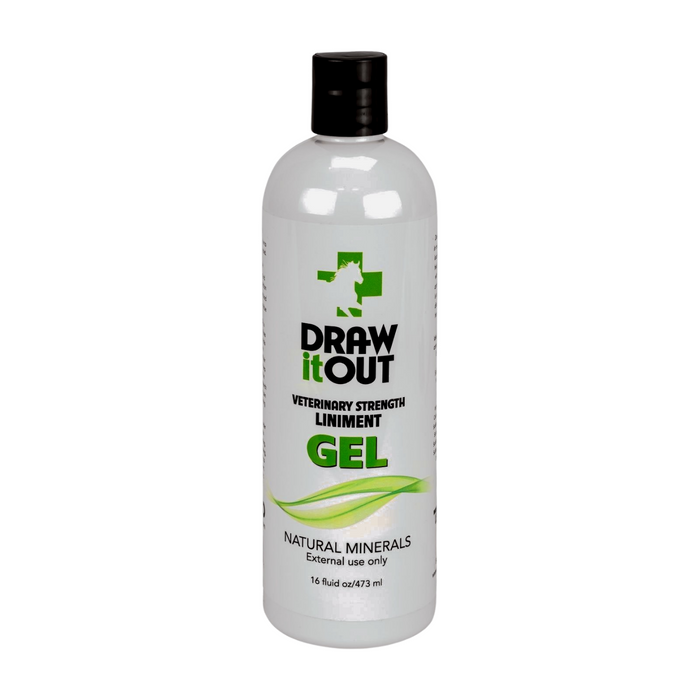
Stay-Put Gel
The everyday liniment gel format riders reach for when they want targeted, no-mess application.
View product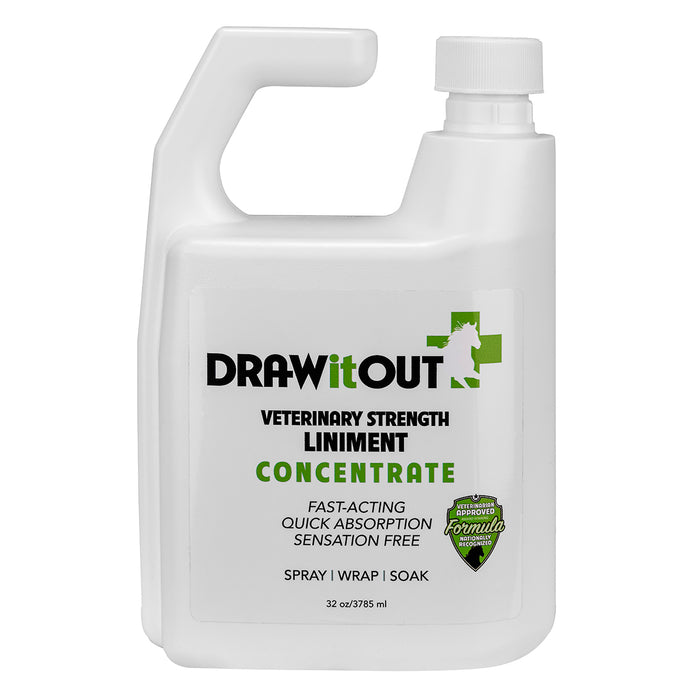
Mix Your Way
A flexible concentrate for riders who want to mix their own routine around workload and barn needs.
View product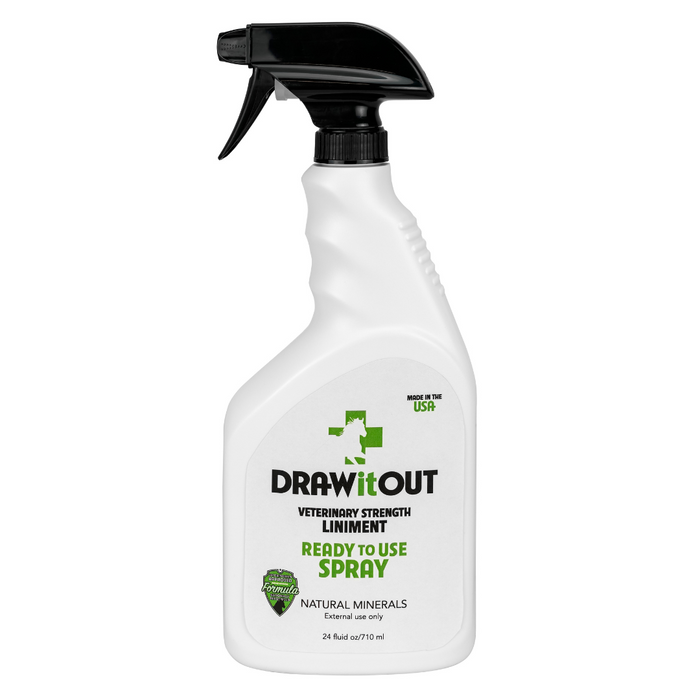
Ready To Use
A ready-to-use spray format for quick application after work, travel, turnout, or daily care.
View product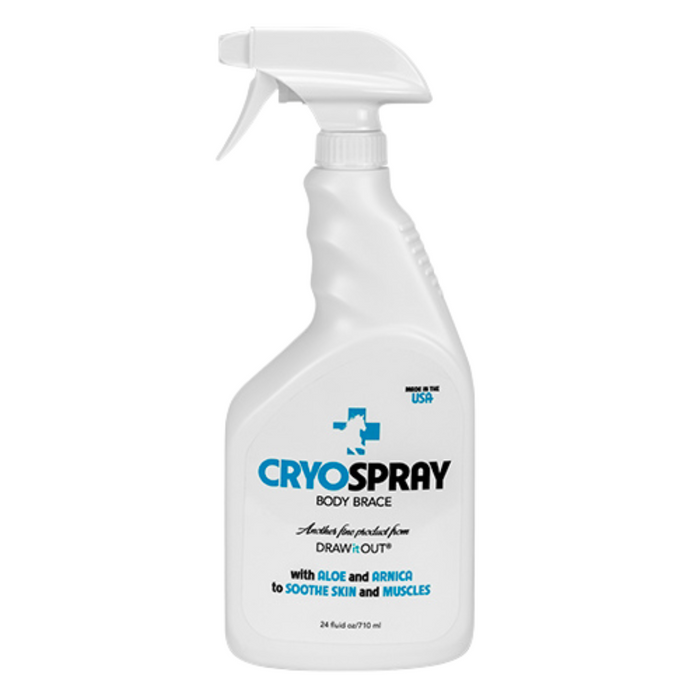
Cooling Brace
A cooling body brace spray for riders who want a fast, practical option after hard work or hot days.
View productFormat matters. Gel, concentrate, ready-to-use spray, and cooling spray each solve a different barn problem. Pick the one your routine will actually use.
!