Apr 24, 2026
Sensation vs Performance: Why Most Horse Liniments Miss the Mark
Not all liniments are built the same. Some rely on sensation. Others support real, repeatable performance. Here is how to tell the difference.
Read article
Good horses will often keep giving long after their body has started asking for a quieter day. The rider who notices early gets to make better decisions before small soreness turns into a bigger interruption.
Your horse may need an easier day if they feel slower to warm up, more guarded under saddle, reluctant to bend, uneven in transitions, unusually dull, reactive to touch, or slower to recover after normal work. One off day does not always mean a crisis. It does mean the horse deserves observation, rest, and a practical recovery routine.
This is not about making every tired step dramatic. Horses are athletes, and athletes have heavy days. The goal is to separate normal post work fatigue from the kind of pattern that deserves a change in plan.
Soundness is not only built in the hard work. It is built in the judgment around the hard work. A lighter day after a demanding ride, haul, show, turnout change, or weather shift can protect confidence, movement quality, and long term consistency.
Watch how your horse starts, turns, backs, and transitions before assuming they are simply being lazy.
One tired day is useful information. The same tiredness three rides in a row is a louder signal.
A repeatable post work check gives you a baseline for what is normal for your horse.
Draw It Out® is built for practical recovery routines, not panic buying. The goal is to help riders support everyday muscle, joint, and body care with naturally derived products that fit real barn life.
For help choosing the right format, start with the Solution Finder or build a smarter daily routine with the Horse Prehabilitation Guide.
Call your veterinarian if your horse is clearly lame, unwilling to bear weight, swollen, hot in one limb, painful to touch, feverish, off feed, colicky, neurologic, or not improving with rest. A routine is useful. A routine is not a replacement for veterinary care.
The best horsemen do not only ask, “Can the horse do it today?” They ask, “What will this horse need tomorrow if I ask for it today?” That question builds better rides, better recovery, and better trust.
Look for changes from their normal baseline, including slower warm up, shorter stride, reluctance to bend, unusual attitude, sensitivity during grooming, or slower recovery after work.
That depends on the horse and the severity. Light movement may help some horses loosen up, but clear lameness, pain, swelling, or worsening stiffness should be evaluated by a veterinarian.
Cool the horse out properly, clean and dry the coat, check legs and major muscle groups, offer water, observe recovery, and choose a support routine that fits the work performed.
Draw It Out® products can fit into everyday post work body care routines when used as directed. They are not a substitute for veterinary care when a horse is injured, sick, or clearly lame.
This article is educational and is not veterinary advice. Always follow product labels and contact your veterinarian when your horse shows signs of injury, illness, severe pain, or a problem that does not improve.
Start Here
This article gives you the background. If you are ready to put the idea into a real horse care routine, these are the next three places most riders should go.
Simple rule: read the article for context, use the Solution Finder for direction, then build the routine around the product format your horse will actually use consistently.
Real Barn Proof
Real riders. Real horses. Real routines. These clips rotate automatically so the proof stays fresh without weighing the page down with a long feed.
Why this matters: good horse care should make sense outside the ad. These clips show the kind of everyday use that builds trust one barn at a time.
Further Reading
Horse care works better when the next step is clear. These related reads help connect today’s topic to better daily decisions in the barn.
Apr 24, 2026
Not all liniments are built the same. Some rely on sensation. Others support real, repeatable performance. Here is how to tell the difference.
Read article
Apr 21, 2026
Great performance depends on timing. Learn how to use pre-ride preparation and post-ride recovery correctly without dulling responsiveness.
Read article
Apr 20, 2026
Meet Kaylee Rankin of Lebanon, Tennessee, a barrel racer whose care routine is built on consistency, hard work, and keeping her mare Rita comf...
Read articleStart with the principle, then build the habit. The right article should make the next barn decision easier, not more complicated.
Next Step
Simple care guides, practical product paths, and rider-trusted tools built for real horses and real routines.
Good care gets easier when the next step is obvious. Read the guide, match the routine, then choose the format that fits how your barn actually works.
Recovery Routine
Want a smarter way to think through post-ride care, heat, swelling, leg support, and daily recovery decisions? Start with the Performance Recovery Hub.
Better recovery starts with a repeatable routine. The hub gives riders a clearer path from workload to product format to aftercare timing.
Rider Favorites
Four core Draw It Out® staples riders keep close for daily recovery routines, wash rack use, targeted support, and quick barn-side care.
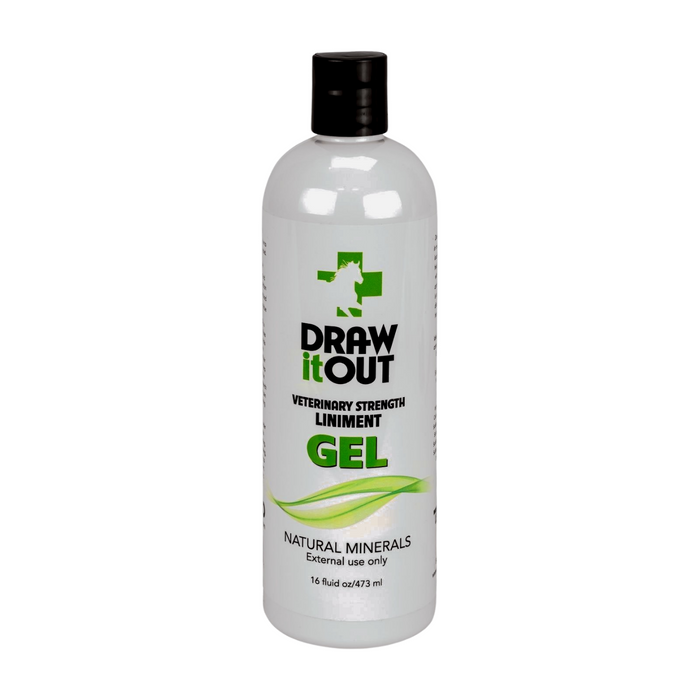
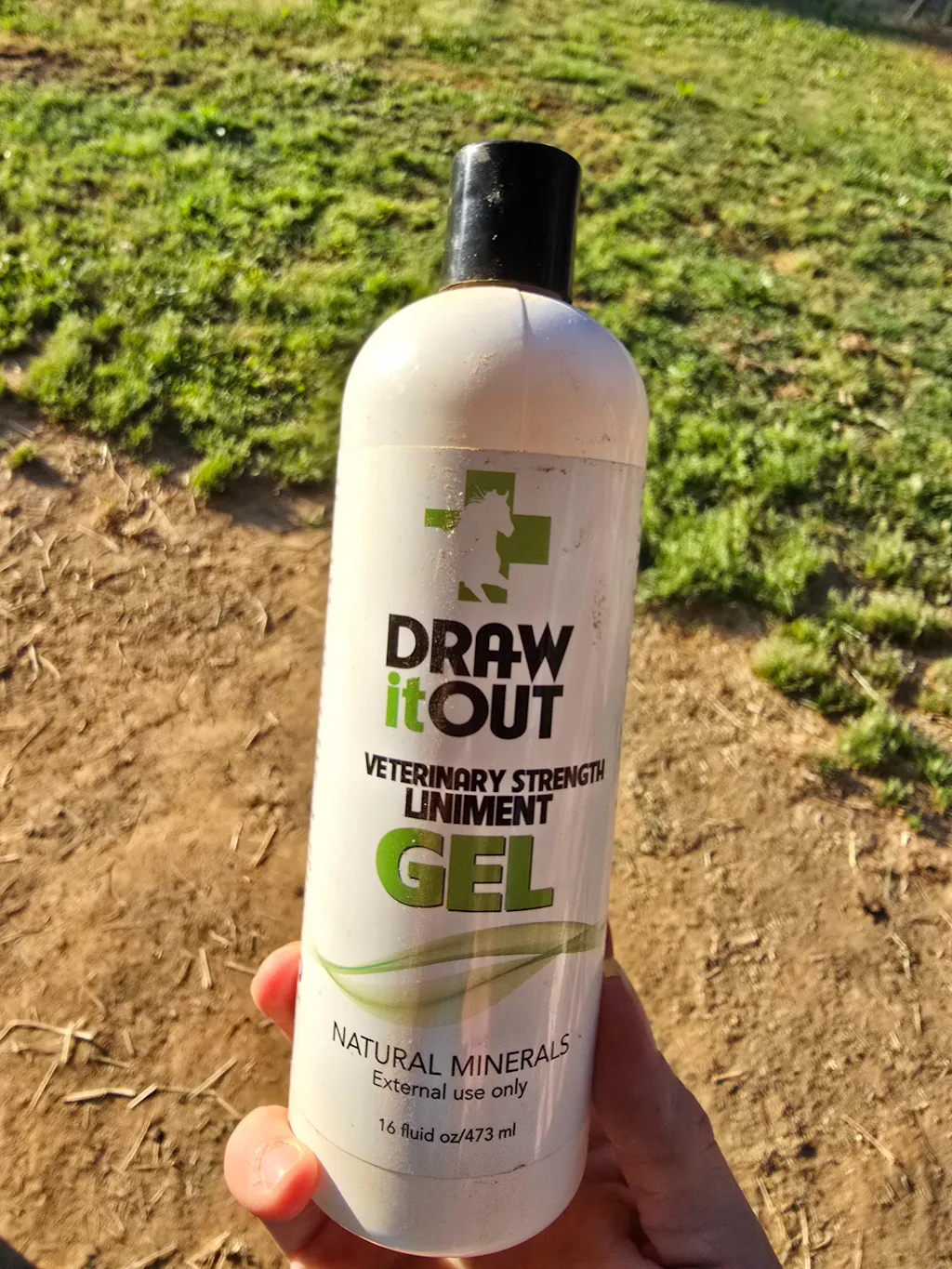
Stay-Put Gel
The everyday liniment gel format riders reach for when they want targeted, no-mess application.
View product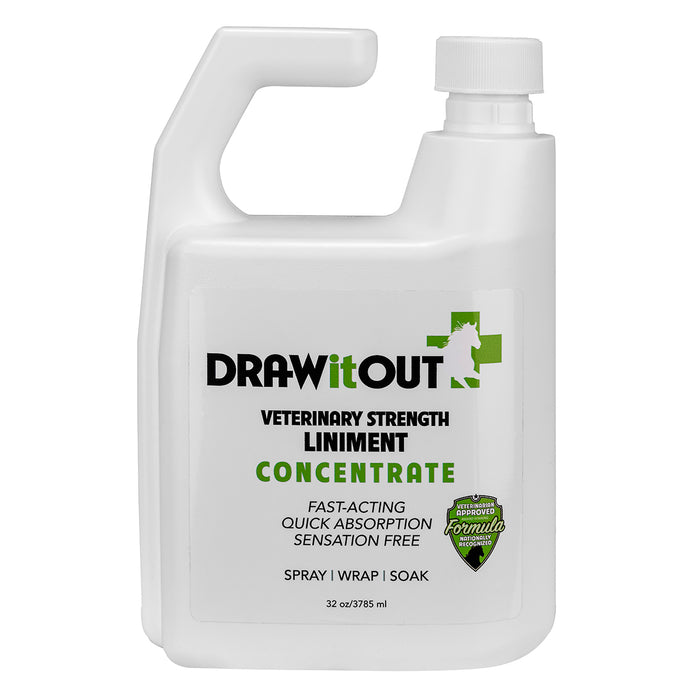
Mix Your Way
A flexible concentrate for riders who want to mix their own routine around workload and barn needs.
View product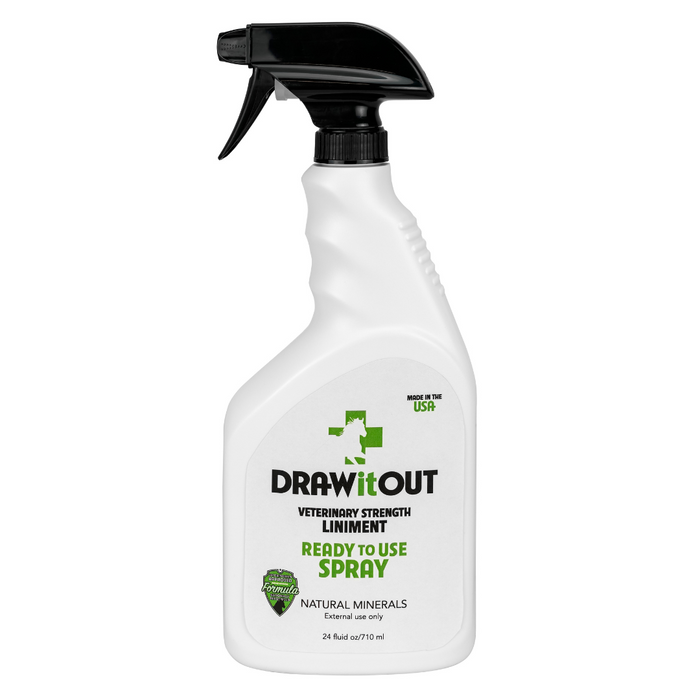
Ready To Use
A ready-to-use spray format for quick application after work, travel, turnout, or daily care.
View product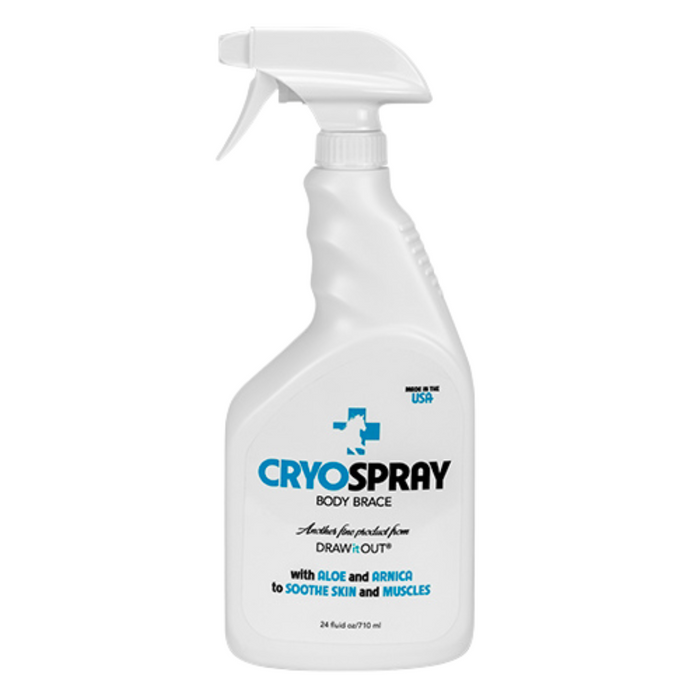
Cooling Brace
A cooling body brace spray for riders who want a fast, practical option after hard work or hot days.
View productFormat matters. Gel, concentrate, ready-to-use spray, and cooling spray each solve a different barn problem. Pick the one your routine will actually use.
!