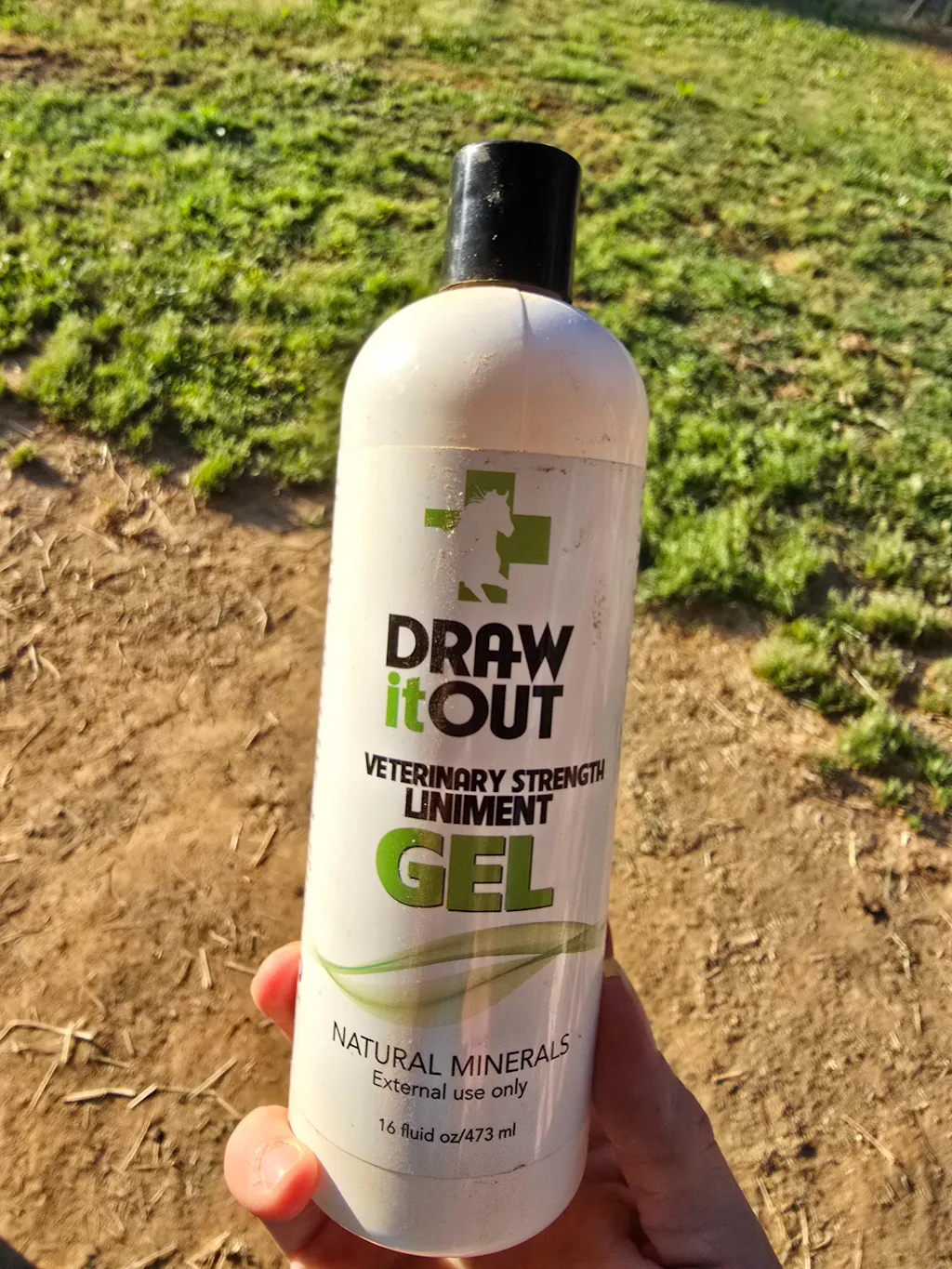
Daily recovery
Liniment Gels
Explore the Draw It Out® liniment gel lineup for everyday use, post-work routines, and targeted recovery support.
Shop liniment gels
The fastest way to schedule a spring setback is to skip the quiet phase. If you want durable legs in April and May, rebuild tendon tolerance with structured walking work first.

Most horses do not lose all fitness in winter. What they lose is progressive soft tissue loading. Marching walk sets rebuild tendon tolerance with low impact repetition, so you can add trot and canter without overloading legs.
Everyone wants to trot.
By late winter, the daylight comes back and the calendar starts staring at you. Horses feel fresh. Riders feel behind. So we test things early.
That is when tendons and ligaments get surprised.
Cardio comes back fast. Soft tissue tolerance does not.
Tendons and ligaments respond best to consistent loading, gradual increases, and stable footing with straight line mileage. Winter often delivers shorter rides, uneven surfaces, and stop and go weeks. The horse still moves fine, but the legs are not prepared for a sudden jump in force.
Forward walking rebuilds cyclical loading without high impact. Over time, that repetition helps soft tissue behave predictably when you add speed.
Soft tissue has limited blood supply. The walk improves perfusion and tissue metabolism without the impact spikes of early trot and canter.
For tendons, duration matters. Twenty honest minutes at the walk does more for spring readiness than five rushed minutes before you pick up trot.
This is not a fitness flex. It is tissue debt repayment.
Late winter ground can change faster than your workload. Freeze thaw cycles, hidden ruts, inconsistent arena moisture, hard spots that appear overnight.
During this reset phase:
Let the legs tell you how the plan is going. Check the same way each time.
If you see a trend, adjust the workload before it becomes a problem. Consistency wins.
Match support to workload, age, and history without guessing.
Prehabilitation is how riders reduce preparation debt before spring demand climbs.
Many riders keep routines calm and repeatable by building a simple before and after system that fits real weeks.
Educational support only. Follow product directions and your veterinarian’s guidance.
Walking does not look impressive. It does not feel like progress. That is exactly why it works.
If you want sound legs through June, earn it in February. Build tissue tolerance slowly, then ask for power.
Most programs benefit from 2 to 3 weeks of walk first structure, especially if winter work was inconsistent. Horses with prior leg history often do better with a longer walk block before adding volume at the trot.
Hand walking can help, especially for consistency and straight line mileage. Riding adds controlled load through the whole body. Many barns combine both, hand walk on off days and ride on training days.
Add hills when footing is reliable and the horse is marching forward without heaviness. Keep it short and steady, and avoid slippery grades. Hills are a strength tool, not a fatigue test.
Use the guided matcher first, then build a routine you can repeat. Start here: Solution Finder.
This article gives you the background. If you are ready to put the idea into a real horse care routine, these are the next places most riders should go.
Explore the Draw It Out® liniment gel lineup for everyday use, post-work routines, and targeted recovery support.
Shop liniment gelsMatch your horse’s workload, age, routine, and care goals to the Draw It Out® products that make the most sense.
Use the finderLearn how riders support soundness, comfort, and consistency before little issues become bigger problems.
Read the guideReal Barn Proof
Real riders. Real horses. Real routines. These clips rotate automatically so the proof stays fresh without weighing the page down with a long feed.
Why this matters: good horse care should make sense outside the ad. These clips show the kind of everyday use that builds trust one barn at a time.
Further Reading
Horse care works better when the next step is clear. These related reads help connect today’s topic to better daily decisions in the barn.
May 21, 2026
Dry weather can turn normal riding ground into a harder surface than horses are used to. Here is a simple post-ride leg and hoof check for rea...
Read article
May 20, 2026
A practical warm-weather horse care routine for checking heat, sweat, breathing, legs, hydration, and recovery needs after untacking.
Read article
May 19, 2026
A practical horse health guide to checking girth-area sweat marks, hair flattening, rub risk, tack fit clues, and post-ride care before irrita...
Read articleStart with the principle, then build the habit. The right article should make the next barn decision easier, not more complicated.
Next Step
Simple care guides, practical product paths, and rider-trusted tools built for real horses and real routines.
Good care gets easier when the next step is obvious. Read the guide, match the routine, then choose the format that fits how your barn actually works.
Recovery Routine
Want a smarter way to think through post-ride care, heat, swelling, leg support, and daily recovery decisions? Start with the Performance Recovery Hub.
Better recovery starts with a repeatable routine. The hub gives riders a clearer path from workload to product format to aftercare timing.
Rider Favorites
Four core Draw It Out® staples riders keep close for daily recovery routines, wash rack use, targeted support, and quick barn-side care.
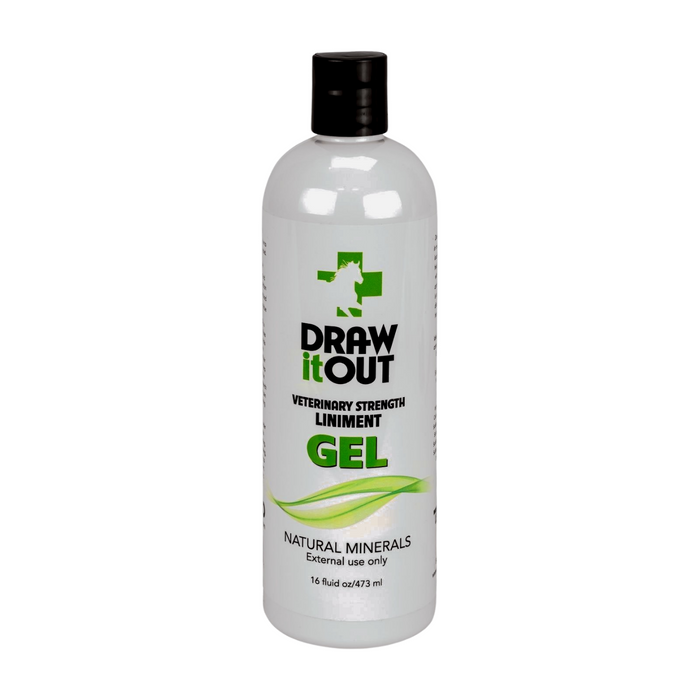
Stay-Put Gel
The everyday liniment gel format riders reach for when they want targeted, no-mess application.
View product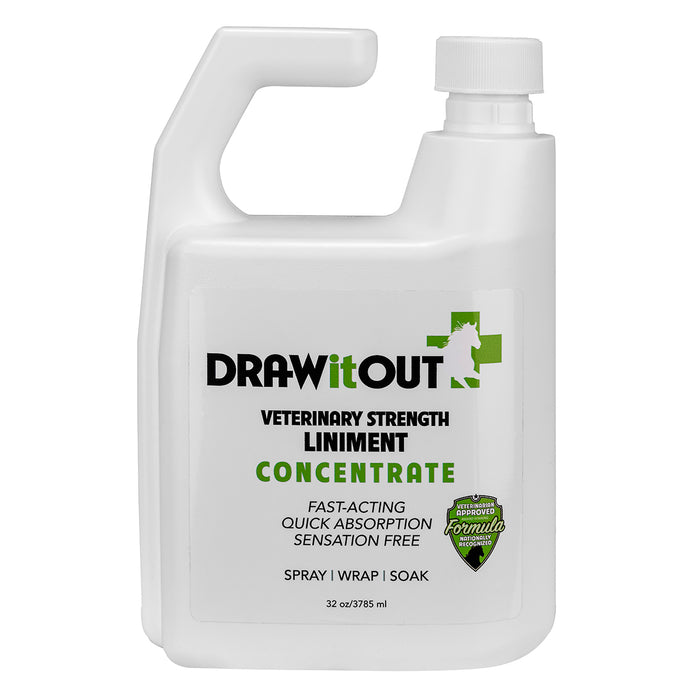
Mix Your Way
A flexible concentrate for riders who want to mix their own routine around workload and barn needs.
View product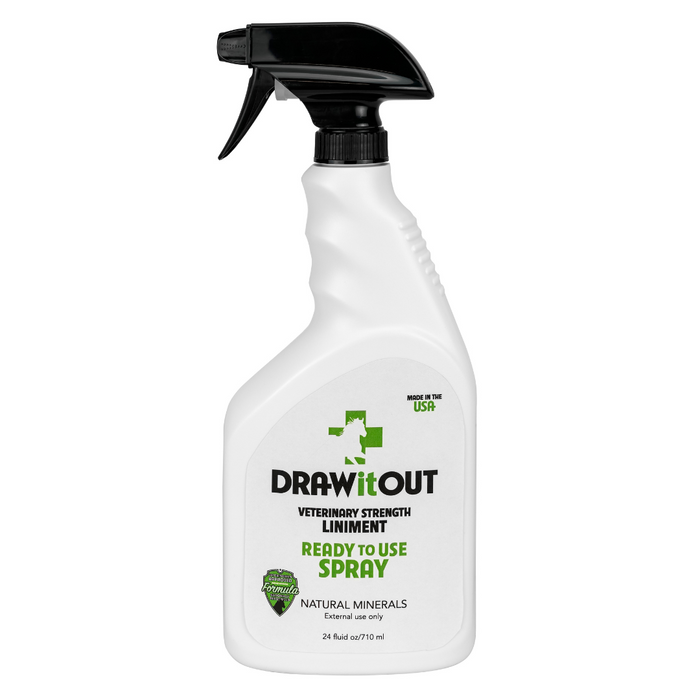
Ready To Use
A ready-to-use spray format for quick application after work, travel, turnout, or daily care.
View product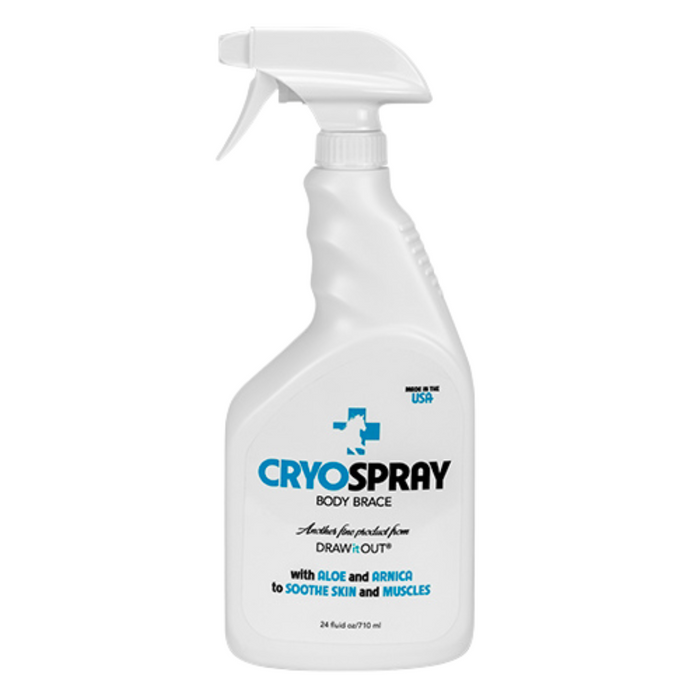
Cooling Brace
A cooling body brace spray for riders who want a fast, practical option after hard work or hot days.
View productFormat matters. Gel, concentrate, ready-to-use spray, and cooling spray each solve a different barn problem. Pick the one your routine will actually use.
!