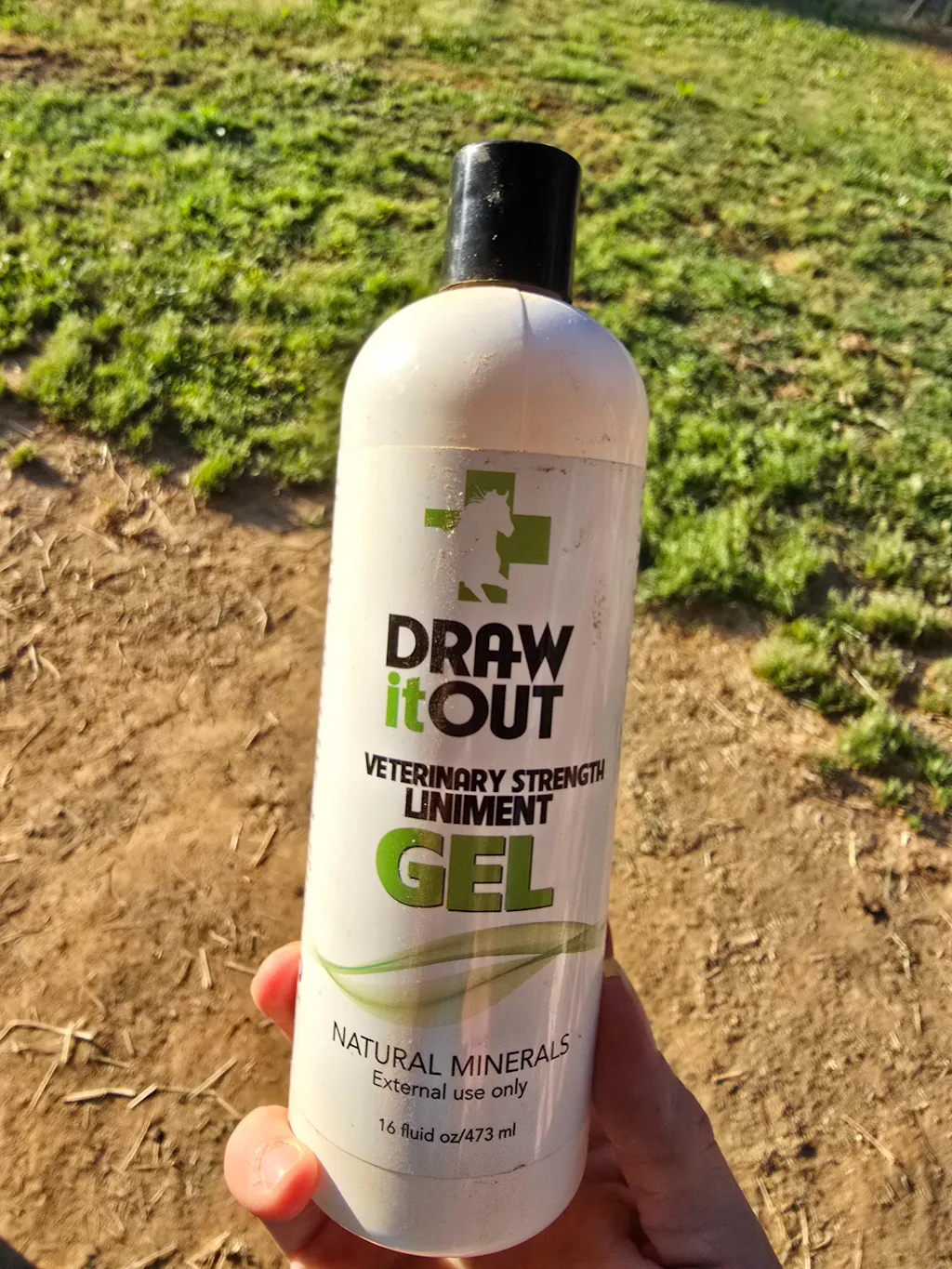
Daily recovery
Liniment Gels
Explore the Draw It Out® liniment gel lineup for everyday use, post-work routines, and targeted recovery support.
Shop liniment gels
The first green pasture feels like relief after winter. For horses, though, that first flush of grass is also a fast nutritional change. The smartest spring routine is not avoiding pasture. It is introducing it in a way that protects hoof comfort, supports movement, and keeps the whole horse steadier through the seasonal shift.

It starts with a few green shoots. Then a haze of color over the field. Then, almost overnight, the pasture that looked worn out all winter feels alive again.
That moment is exciting for riders and irresistible for horses. After months of hay and dormant forage, fresh grass smells sweeter, tastes richer, and changes behavior almost immediately. Horses graze harder. They move more. Some feel loose and happy. Some feel sharper. Some feel just a little off in ways owners struggle to describe.
That is why the spring grass transition deserves more attention than it usually gets.
Young pasture is not the same as mature summer forage. Early growth is tender, moisture-heavy, and often richer in soluble carbohydrates. Plants are in a rapid growth phase, and that creates a different nutritional profile than the grass your horse will be eating later in the season.
None of that means spring grass is bad. It means it is potent in a way horses notice quickly. And whenever the diet changes quickly, the body has to recalibrate.
Most horse owners think about pasture changes through a digestive lens first. That makes sense. But movement often tells the story just as clearly.
When fresh grass comes in, horses frequently experience changes in energy, hydration balance, tissue loading, and daily turnout behavior all at once. Add longer daylight, the first spring rides, and variable footing, and now the horse is adapting on multiple fronts at the same time.
What you may notice during a pasture shift: extra animation under saddle, a shorter stride on one day and freer movement the next, more play during turnout, mild stiffness after standing, or subtle hoof sensitivity that was not obvious the week before.
Those signs do not automatically mean something is wrong. They mean the horse is adapting. Your job is to keep that adaptation from becoming unnecessary strain.
Hooves respond to routine changes faster than many people realize. Early spring pasture can coincide with shifts in circulation, moisture exposure, workload, and terrain. That combination matters.
When horses go from winter footing and hay to greener fields and more movement, the hoof capsule is part of that transition. A horse that suddenly spends longer hours grazing on soft, damp ground while also returning to work may need a slower ramp than the calendar suggests.
This is one reason the broader hoof and leg care system matters in spring. Hoof comfort is rarely just about one thing. It is usually the result of how forage, footing, trimming schedule, turnout, and daily observation all stack together.
The goal is not to avoid pasture. The goal is to control the pace of change.
That last point matters. Riders often increase turnout, increase work, and change the diet all at once because spring finally allows it. From the horse’s perspective, that can be a lot in a short window.
The best management tool is still observation. Not panic. Not guessing. Just paying attention before little things build.
Spring is when patterns matter more than single moments. One animated day is not the story. Three or four days of changed way of going might be.
Seasonal transitions ask more of muscles, joints, and soft tissue even before competitive work increases. Fresh grass, longer turnout, and a horse that feels better than he did in February often lead to more movement before the body is fully conditioned for it.
That is exactly where a prevention-first mindset helps. Draw It Out® frames that approach through Prehabilitation, meaning the routine is built to anticipate predictable stress before it becomes a bigger setback.
For riders trying to organize turnout, work, and daily care into something practical, the Solution Finder is a simple place to start. And for horses whose spring transition has a strong hoof and lower limb component, the Hoof & Leg Care guide helps connect the dots between routine observation and support choices.
Fresh pasture is one of the best parts of horse ownership. Watching a horse lower his head into the first green grass of the year feels like the season finally opening up.
But the healthiest transitions are usually the least dramatic ones.
Introduce the grass thoughtfully. Watch the feet and the stride. Let the horse adapt before the schedule asks for more. Spring does not need to be stalled out. It just needs to be managed like the real change it is.
Focus keywords: spring grass transition for horses, introducing horses to spring pasture, horse sore after spring pasture, spring pasture hoof comfort, how to transition horse to spring grass
A gradual transition is usually the smarter approach. Short grazing periods that increase over several days help the horse adapt more comfortably than a sudden jump to full turnout.
It can be part of the picture. Spring pasture often arrives alongside wetter footing, increased turnout, and more work, so hoof comfort may change as those factors stack together.
Seasonal transitions can change behavior, movement patterns, energy, and tissue loading all at once. That does not automatically indicate a major problem, but it is worth slowing the transition and watching the pattern closely.
Many owners do, especially during the transition period. Consistent forage can help reduce the abruptness of the dietary shift while the horse adjusts to spring grazing.
The best starting points are the Solution Finder for routine guidance, the Prehabilitation page for prevention-first planning, and the Hoof & Leg Care guide when lower limb and hoof comfort are part of the seasonal picture.
This article gives you the background. If you are ready to put the idea into a real horse care routine, these are the next places most riders should go.
Explore the Draw It Out® liniment gel lineup for everyday use, post-work routines, and targeted recovery support.
Shop liniment gelsMatch your horse’s workload, age, routine, and care goals to the Draw It Out® products that make the most sense.
Use the finderLearn how riders support soundness, comfort, and consistency before little issues become bigger problems.
Read the guideReal Barn Proof
Real riders. Real horses. Real routines. These clips rotate automatically so the proof stays fresh without weighing the page down with a long feed.
Why this matters: good horse care should make sense outside the ad. These clips show the kind of everyday use that builds trust one barn at a time.
Further Reading
Horse care works better when the next step is clear. These related reads help connect today’s topic to better daily decisions in the barn.

Apr 24, 2026
Not all liniments are built the same. Some rely on sensation. Others support real, repeatable performance. Here is how to tell the difference.
Read article
Jun 05, 2026
A practical horse health guide for checking heat, swelling, digital pulse, feet, movement, and recovery response after riding on hard ground.
Read article
Jun 05, 2026
A practical barn recovery kit helps riders choose the right product quickly. This guide builds a simple Draw It Out® care kit.
Read articleStart with the principle, then build the habit. The right article should make the next barn decision easier, not more complicated.
Next Step
Simple care guides, practical product paths, and rider-trusted tools built for real horses and real routines.
Good care gets easier when the next step is obvious. Read the guide, match the routine, then choose the format that fits how your barn actually works.
Recovery Routine
Want a smarter way to think through post-ride care, heat, swelling, leg support, and daily recovery decisions? Start with the Performance Recovery Hub.
Better recovery starts with a repeatable routine. The hub gives riders a clearer path from workload to product format to aftercare timing.
Rider Favorites
Four core Draw It Out® staples riders keep close for daily recovery routines, wash rack use, targeted support, and quick barn-side care.
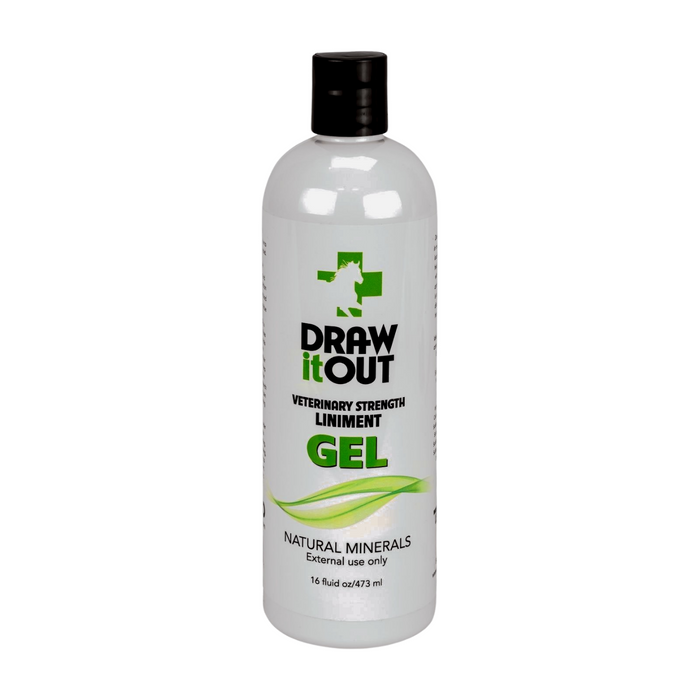
Stay-Put Gel
The everyday liniment gel format riders reach for when they want targeted, no-mess application.
View product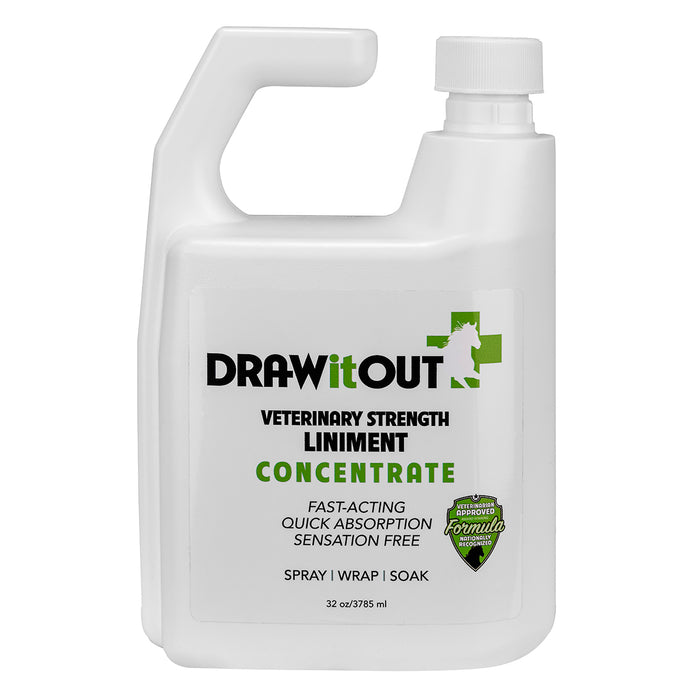
Mix Your Way
A flexible concentrate for riders who want to mix their own routine around workload and barn needs.
View product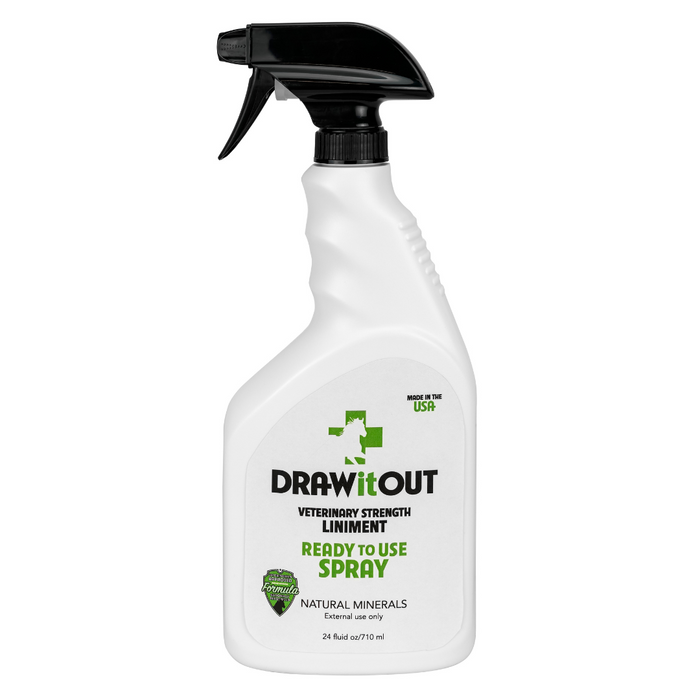
Ready To Use
A ready-to-use spray format for quick application after work, travel, turnout, or daily care.
View product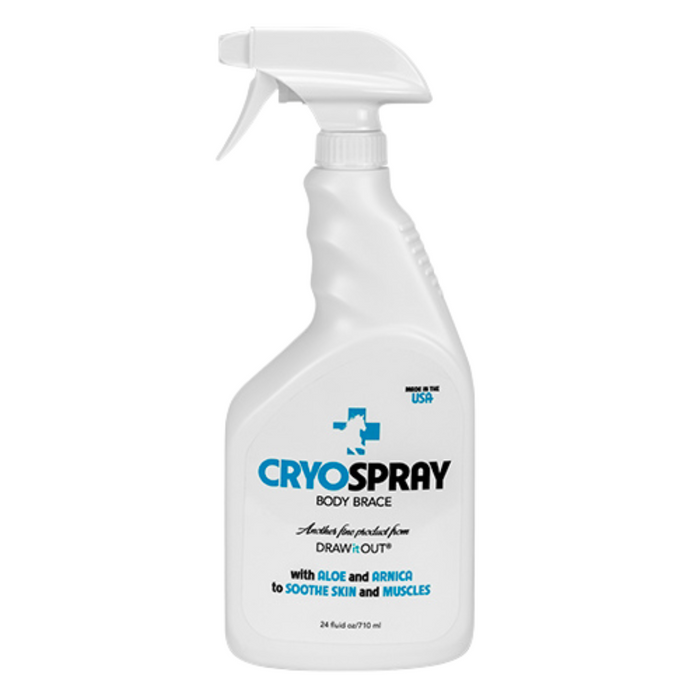
Cooling Brace
A cooling body brace spray for riders who want a fast, practical option after hard work or hot days.
View productFormat matters. Gel, concentrate, ready-to-use spray, and cooling spray each solve a different barn problem. Pick the one your routine will actually use.
!