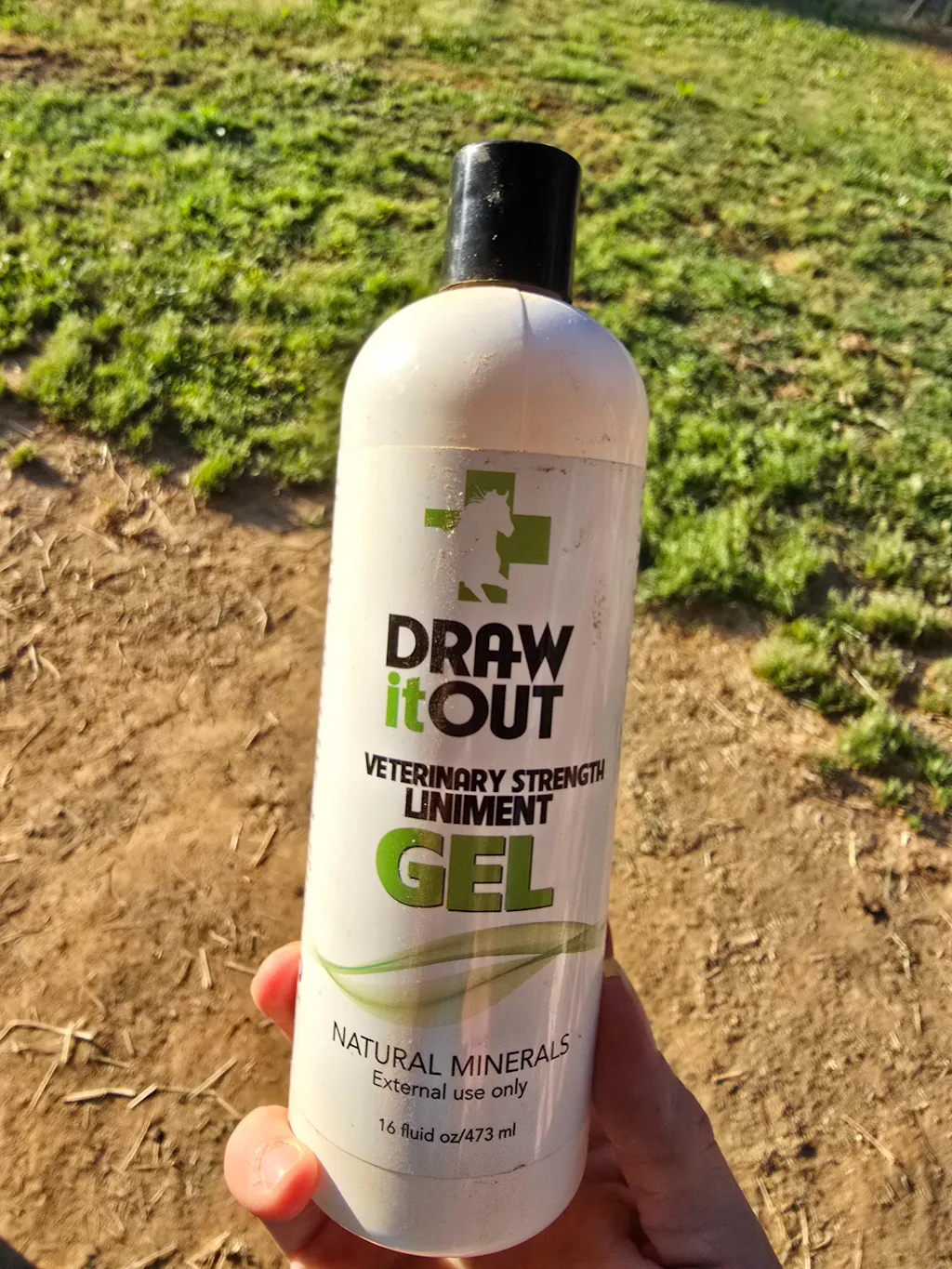
Daily recovery
Liniment Gels
Explore the Draw It Out® liniment gel lineup for everyday use, post-work routines, and targeted recovery support.
Shop liniment gels
Cool mornings, warmer afternoons, and rising workloads can create quiet hydration deficits in horses. The problem is not always dramatic. Often, it shows up in recovery, comfort, and consistency first.
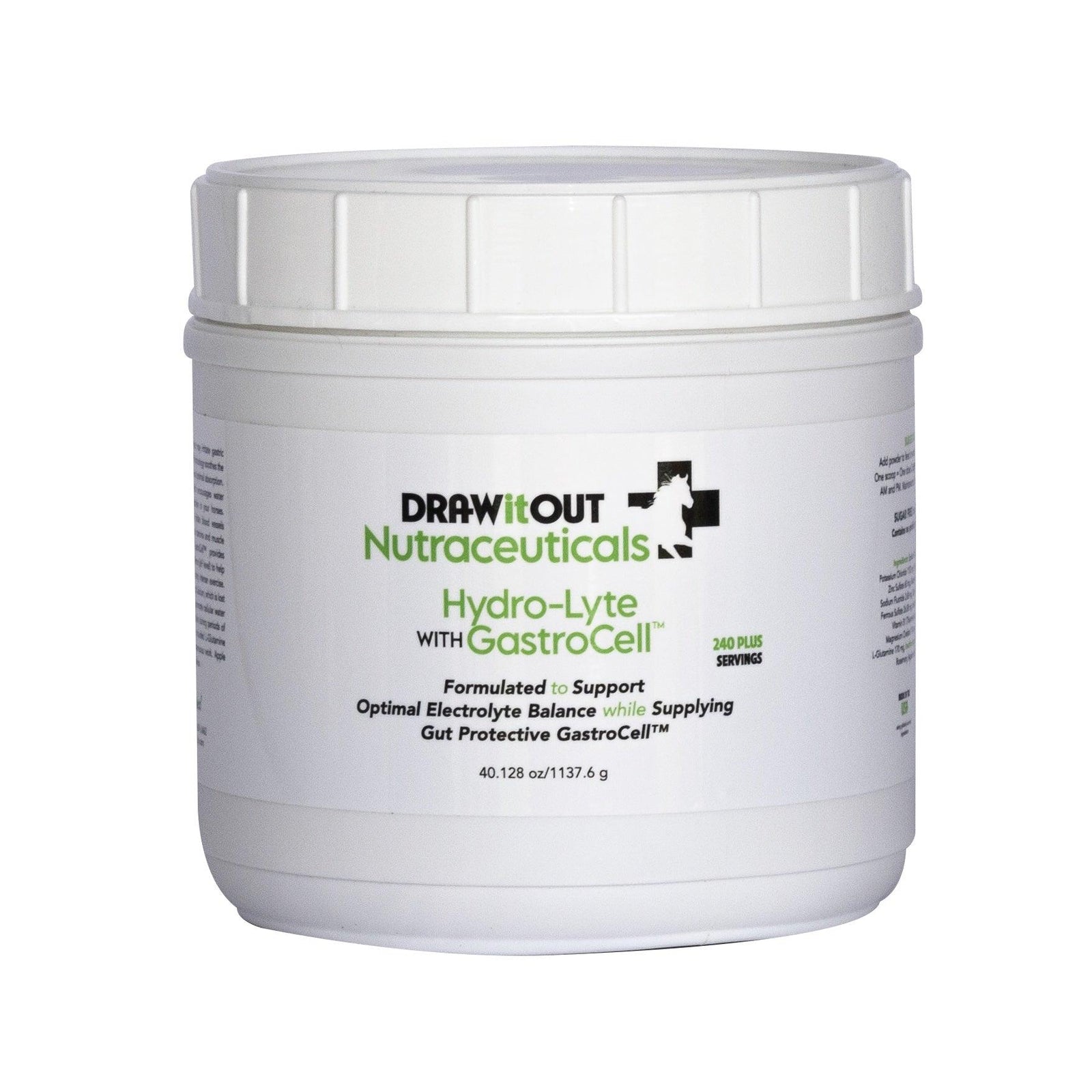
Your horse is not drenched in sweat. Water buckets are not suddenly empty. Nothing obvious feels wrong.
But something is a little off.
Energy feels less consistent. Recovery takes longer than it should. Movement is not quite as fluid as usual.
Hydration is often the missing piece.
Summer makes hydration easier to notice. Heat, sweat, and effort make the need obvious. Winter makes intake easier to watch because drinking behavior gets more attention.
Spring sits in the middle. That is what makes it deceptive.
The gap between what the horse needs and what the horse actually takes in can widen without much warning.
As spring riding picks up, many horses start doing more before their daily intake pattern adjusts.
That mismatch matters because hydration supports normal muscle function, circulation, joint comfort, and post-work recovery.
Spring dehydration is usually subtle before it becomes obvious.
It may look like:
Each sign on its own is easy to shrug off. Together, they start to form a pattern.
Spring rarely gives you one stable environment.
A horse may start the morning cool, warm up significantly during work, then dry quickly once the air shifts again. That creates fluid loss that can be easy to underestimate.
The result is often not a dramatic dehydration event. It is a small deficit that builds over several days.
Water supports far more than temperature regulation.
It also plays a role in:
That matters in spring because pasture changes, increased work, and travel can already create pressure on the system. Lower intake adds one more variable.
Many riders wait for peak heat before they think about electrolyte support.
But spring is often when the foundation gets set.
As workload rises and sweat loss starts to climb, supporting hydration earlier can help keep the whole routine steadier. The goal is not to chase a crisis. The goal is to prevent one from forming quietly in the background.
That is exactly why many riders review their horse electrolyte routine before the season gets fully busy.
When horses spend more time outside, intake becomes less visible.
That does not mean turnout causes dehydration. It means turnout can make small intake deficits easier to miss.
You do not need a dramatic correction. You need attention to the details that usually get overlooked.
Watch for shifts in:
Small changes made early are easier than bigger corrections made late.
Hydration support works best when it is proactive. That is the whole logic behind prehabilitation.
Instead of waiting for the horse to tell you something is off, you build routines that support readiness before soreness, tightness, or uneven recovery get louder.
If you want the broader framework for that approach, start with the Prehabilitation page. It ties hydration, mobility, workload readiness, and recovery into one steadier system.
Hydration gaps tend to show up in the gray area first. That is why quiet support matters. If your horse is working more, traveling more, or just not bouncing back the way you expect, start with the basics and tighten the routine now.
Hydration is rarely flashy. It does not demand attention until the system starts feeling less coordinated.
In spring, that can happen quietly.
The riders who stay ahead of it usually are not reacting to a crisis. They are managing the small things before those small things become a pattern.
Yes. Spring weather often reduces obvious thirst cues while activity levels increase. That can create a small but meaningful hydration gap even when temperatures do not feel extreme.
Riders often notice slower recovery, slight stiffness, reduced fluidity in movement, or a horse that feels a little flat without a dramatic change in sweat or behavior.
Spring combines cooler mornings, warmer afternoons, variable turnout, and rising workloads. That mix can mask fluid loss and make water intake harder to monitor consistently.
No. Riders often begin reviewing electrolyte routines in spring because sweat loss and work demands start increasing before peak summer temperatures arrive.
Start with the routine. Review workload, water intake, recovery patterns, and hydration support. The Solution Finder and Prehabilitation pages are a practical place to begin.
This article gives you the background. If you are ready to put the idea into a real horse care routine, these are the next places most riders should go.
Explore the Draw It Out® liniment gel lineup for everyday use, post-work routines, and targeted recovery support.
Shop liniment gelsMatch your horse’s workload, age, routine, and care goals to the Draw It Out® products that make the most sense.
Use the finderLearn how riders support soundness, comfort, and consistency before little issues become bigger problems.
Read the guideReal Barn Proof
Real riders. Real horses. Real routines. These clips rotate automatically so the proof stays fresh without weighing the page down with a long feed.
Why this matters: good horse care should make sense outside the ad. These clips show the kind of everyday use that builds trust one barn at a time.
Further Reading
Horse care works better when the next step is clear. These related reads help connect today’s topic to better daily decisions in the barn.

Jun 01, 2026
Descubra los misterios del caballo Grullo mientras profundizamos en su rica historia, su color de pelaje único, sus atributos físicos y su cre...
Read article
Jun 01, 2026
Choosing a horse liniment gel without menthol or alcohol starts with comfort, control, and routine fit. This guide helps riders choose a pract...
Read article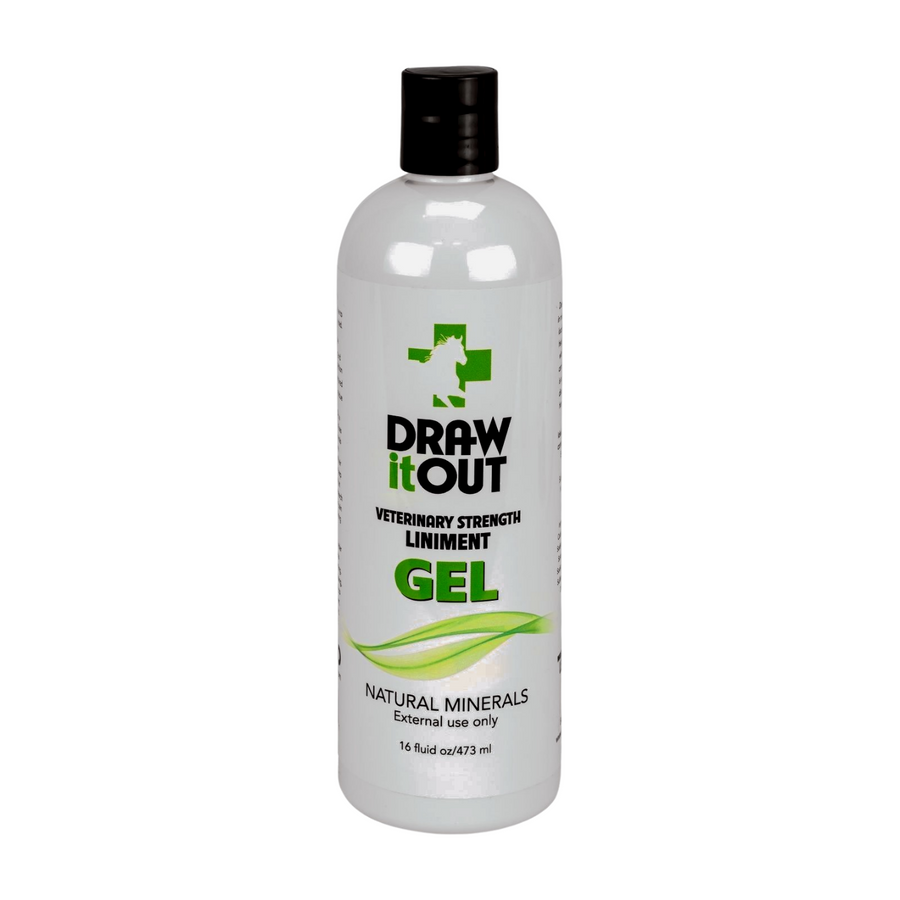
May 31, 2026
A practical horse health guide for checking tack, body comfort, workload, hydration, legs, hooves, and routine changes when a horse acts diffe...
Read articleStart with the principle, then build the habit. The right article should make the next barn decision easier, not more complicated.
Next Step
Simple care guides, practical product paths, and rider-trusted tools built for real horses and real routines.
Good care gets easier when the next step is obvious. Read the guide, match the routine, then choose the format that fits how your barn actually works.
Recovery Routine
Want a smarter way to think through post-ride care, heat, swelling, leg support, and daily recovery decisions? Start with the Performance Recovery Hub.
Better recovery starts with a repeatable routine. The hub gives riders a clearer path from workload to product format to aftercare timing.
Rider Favorites
Four core Draw It Out® staples riders keep close for daily recovery routines, wash rack use, targeted support, and quick barn-side care.
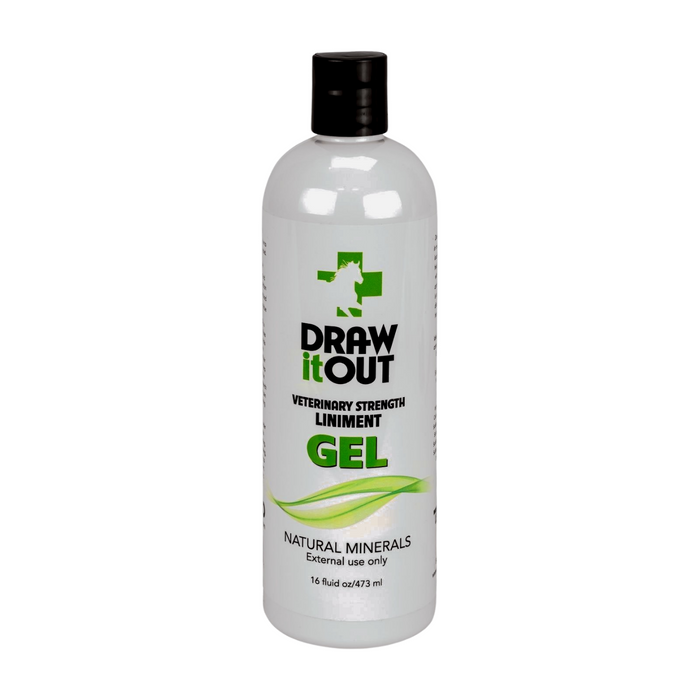
Stay-Put Gel
The everyday liniment gel format riders reach for when they want targeted, no-mess application.
View product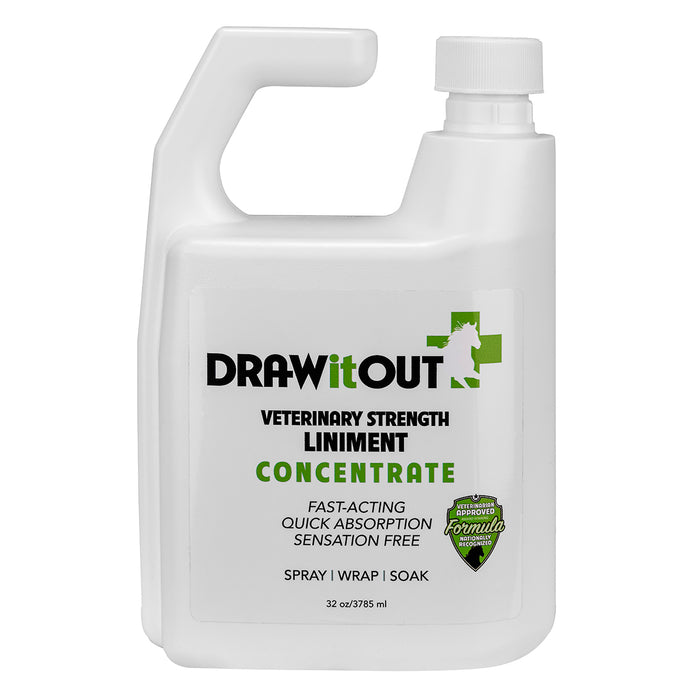
Mix Your Way
A flexible concentrate for riders who want to mix their own routine around workload and barn needs.
View product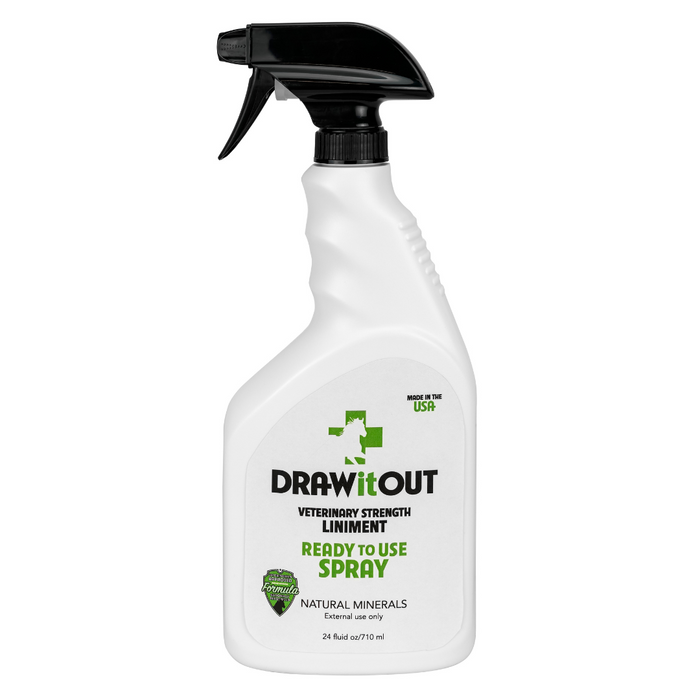
Ready To Use
A ready-to-use spray format for quick application after work, travel, turnout, or daily care.
View product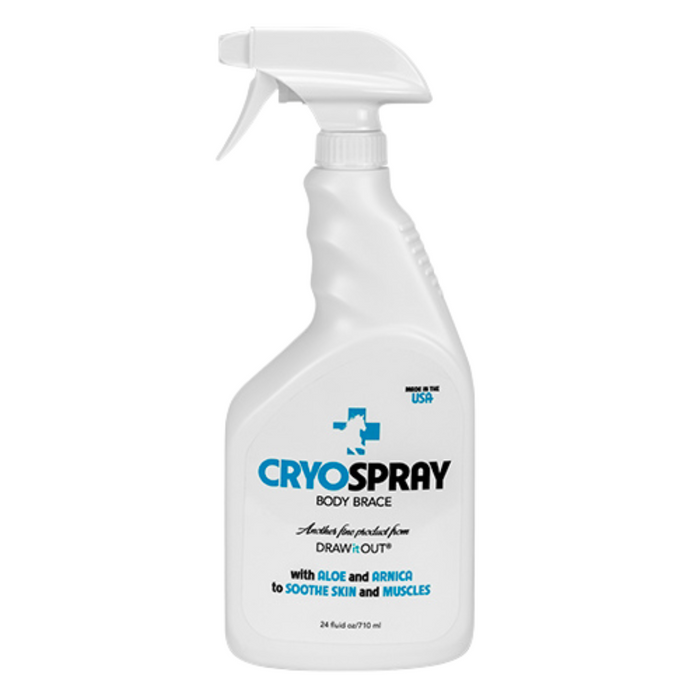
Cooling Brace
A cooling body brace spray for riders who want a fast, practical option after hard work or hot days.
View productFormat matters. Gel, concentrate, ready-to-use spray, and cooling spray each solve a different barn problem. Pick the one your routine will actually use.
!