Beer is a common barn experiment. The safer path is still the basics: reduce heat load, support hydration, and get a vet involved early. Non-sweating can get serious fast.
Anhidrosis, the inability to sweat, is a serious condition in horses, especially in hot climates. Because sweating is a horse’s main way to regulate temperature, non-sweaters are at risk of overheating. Over the years, some horse owners have turned to unconventional remedies, one of the most common being beer.
Where the Beer Idea Came From
The idea of feeding beer to horses with anhidrosis comes from anecdotal reports. Owners noticed that a daily can or bottle of dark beer seemed to help certain horses start sweating again. The belief is that ingredients like brewer’s yeast, hops, or barley may support metabolism or provide B vitamins, which could matter for some horses.
What Science Says
- There is no consistent, proven research showing beer reliably reverses anhidrosis in horses.
- Some horses may appear to respond, while others show no change at all.
- Beer is not a nutritionally reliable or veterinary-standard treatment plan.
- Most veterinarians treat beer as an experiment some owners try, not a solution to bet a summer on.
Supportive Alternatives
- Electrolyte support: Balanced electrolytes can help support hydration and mineral balance during heat, work, and hauling. Start here: Hydro-Lyte® electrolytes guide.
- Environmental management: Night turnout, shade, airflow, fans, and misting systems can reduce heat load.
- Cooling protocol: Regular hosing and scraping to support evaporation, plus rest breaks and early ride times.
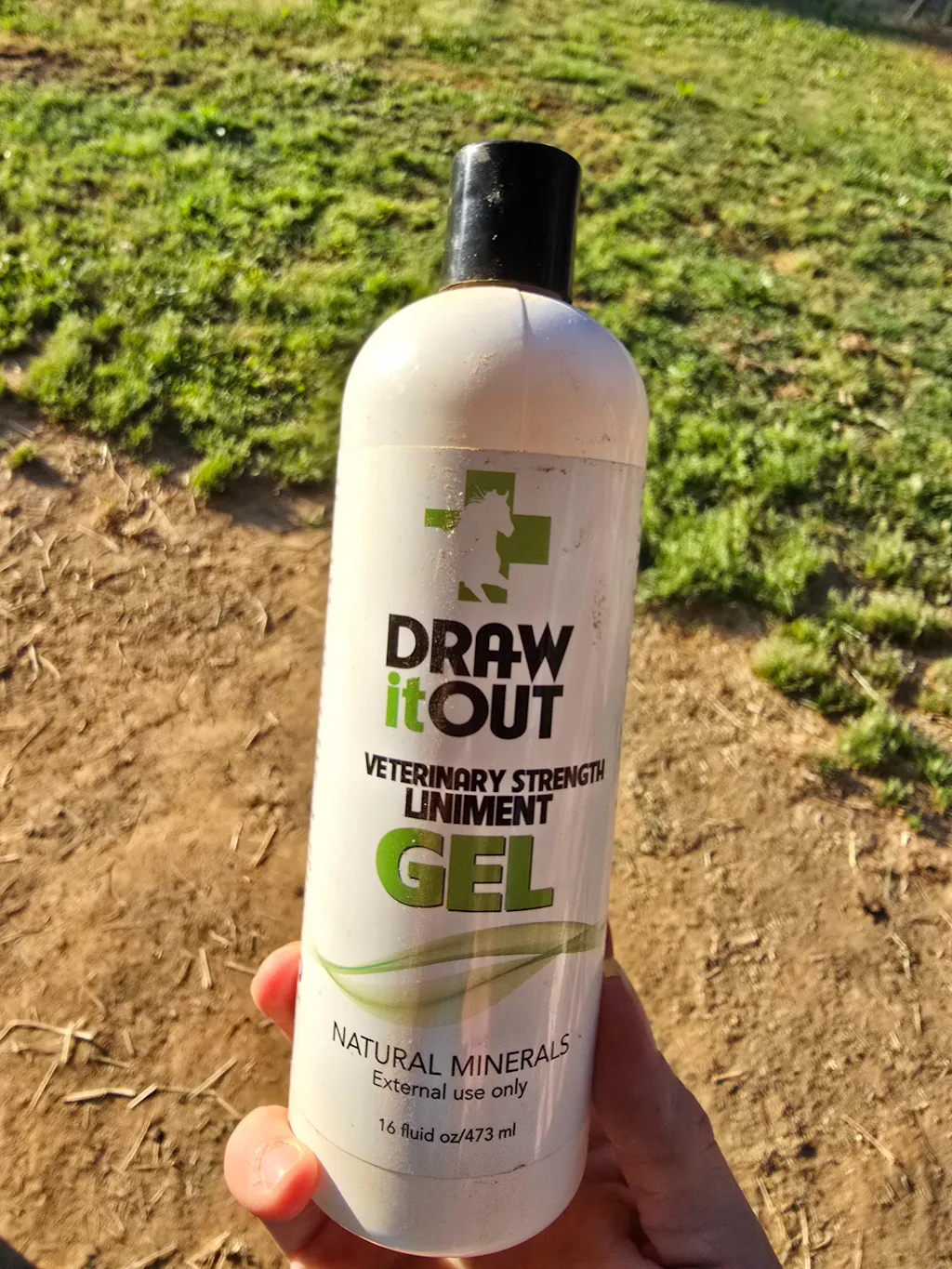
- Muscle comfort without adding heat: A calm, sensation-free liniment gel can fit hot-weather routines. Draw It Out® 16oz High Potency Liniment Gel.
- Veterinary guidance: Your vet may recommend targeted supplements, management changes, or therapies based on your horse, climate, and workload.
Is Beer Safe?
In small amounts, beer is generally not considered dangerous, but it is not a reliable plan. Too much can upset digestion due to sugars and fermentation. If you choose to try it, consult your vet and do not rely on beer as your primary strategy for managing anhidrosis.
Why It Matters
Anhidrosis is not something to gamble with. In hot weather, it can become a safety issue. Beer is a popular barn myth that sometimes appears to help, but the best outcomes typically come from disciplined heat management, hydration routines, and veterinary input.