Horse Coat Sun Bleaching: How to Protect Dark Coats, Manes, and Tails

Real Rider Resource

Horse Coat Sun Bleaching: How to Protect Dark Coats, Manes, and Tails

Summer sun does more than heat a horse up. It can fade dark coats, dry out hair, weaken the mane and tail, and leave a horse looking rough long before fall.

By Jon Conklin • 6 to 8 minute read

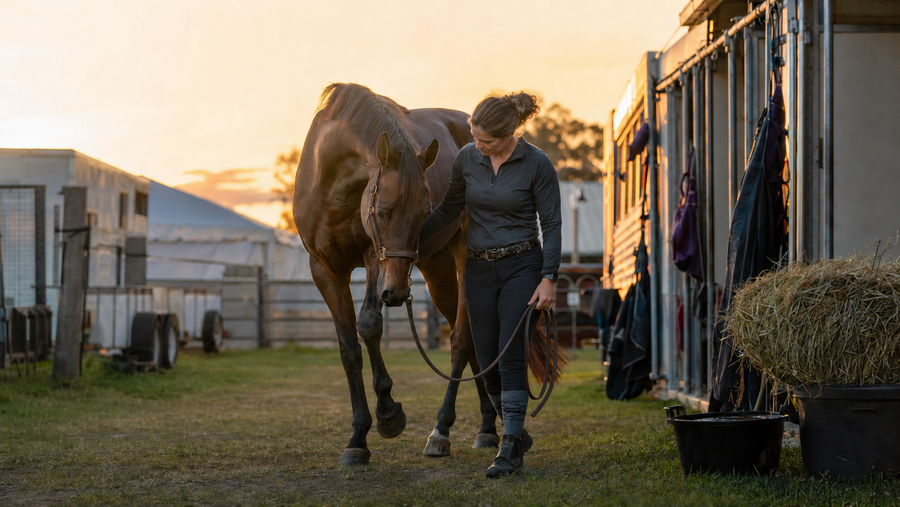
Dark horse coat protected from summer sun with healthy shine
Healthy shine usually comes from routine, not from piling on product.

Speakable summary

Horse coat sun bleaching happens when UV exposure and dry summer conditions break down pigment and weaken the hair shaft. Dark coats often turn rusty, while manes and tails get brittle, faded, and easier to break. The best prevention plan is simple: manage turnout timing, use shade and UV gear, keep sweat and dust from building up, and stay steady with mane, tail, and skin support instead of trying to fix damage after it shows up.

Most riders notice sun bleaching after the fact.

The black horse starts looking brown along the topline. The mane loses depth. The tail gets dry, pale, and easier to snap off at the ends. A horse that looked sharp in late spring starts looking tired by the middle of summer.

That change is not just cosmetic. It usually means the hair has been under stress for a while.

What sun bleaching actually does to a horse’s coat

Sun bleaching is not just a color problem. It is a hair-quality problem.

When a horse spends long hours under strong UV, especially with sweat, dust, and frequent washing in the mix, the outer surface of the hair takes a beating. Pigment fades. The hair shaft dries out. Texture gets rougher. Shine drops off.

On dark horses, that often shows up first as a rusty cast over the topline, croup, shoulders, and tail. On lighter horses, the fade can be less dramatic, but the hair still gets dry and weak.

Why dark coats show it first

Black and very dark bay horses usually make the problem obvious because the color shift is easier to see. A deep black coat can start turning brown where the sun hits hardest. The same goes for black manes and tails.

That does not mean lighter horses are safe from UV wear. It just means the damage may show up more as dryness, dullness, and breakage than as obvious fading.

The parts riders miss most often

Most people watch the body. They forget the hair.

The mane and tail often take just as much summer damage as the coat itself, and sometimes more. They deal with UV, sweat, friction, and overhandling all at once. Once the hair starts drying out, riders often brush harder, wash more, or keep adding slick products to hide the problem. That usually makes it worse.

The simple prevention plan

  1. Shift turnout when you can. Early morning, late evening, or overnight turnout helps reduce peak UV exposure.
  2. Make shade non negotiable. A horse cannot avoid sun damage if there is nowhere to get out of it.
  3. Keep sweat and dust from sitting. Sweat, grime, and friction make a rough coat rougher.
  4. Protect the mane and tail from breakage. Less aggressive brushing and better conditioning matter more than constant detangling.
  5. Support the skin too. Dry, irritated skin under the mane, dock, and rub-prone zones feeds hair loss and poor coat quality.

Turnout timing matters more than most people think

If your horse is outside during the strongest sun every day, no grooming trick is going to fully outrun that.

That does not mean every horse needs a complicated summer schedule. It means small management changes can do more than people expect. Overnight turnout, shaded paddocks, and avoiding the highest UV hours can preserve both color and hair quality over time.

This is especially true for horses with dark coats, thin tails, sensitive skin, or pink areas that are prone to burn.

How to groom without making sun fade worse

Summer grooming should reduce stress on the coat, not add to it.

  • Rinse sweat off when needed instead of letting salt sit on the coat for hours.
  • Do not over-bathe. Too much washing can strip what the coat needs to stay resilient.
  • Use patient mane and tail handling instead of daily aggressive brushing.
  • Focus on keeping the skin under the hair calm, especially if the horse rubs.

For riders already dealing with dry or fragile hair, the better lane is usually a steadier grooming system, not a stronger cosmetic finish. The Mane & Tail Care hub is the cleanest next read if hair breakage is already part of the problem.

When coat fade is really a skin problem underneath

Sometimes the coat looks bad because the skin is stressed first.

If the horse is rubbing the mane, thinning the tail near the dock, or getting dry and touchy in high-friction spots, you are not just looking at a color issue. You are looking at a comfort issue.

That is where routines built around skin support start to matter. The goal is not shine for shine’s sake. The goal is helping the skin stay calm enough that the hair can hold up better over time. For that lane, the Skin Care collection is the most relevant place to browse.

What about pink skin and white markings?

That is a different problem from coat bleaching.

Bleaching is mostly about fading and hair quality. Pink skin and white-marked areas raise the risk of actual sunburn and, in some horses, photosensitivity. If that is what you are seeing, go straight to our guide on sunburn and photosensitivity in horses instead of treating this like a simple grooming problem.

Do not confuse coat care with under-tack prep

Summer riders sometimes start using leave-ins, oils, or cosmetic topicals everywhere. That is fine until tack enters the picture.

If you are dealing with areas that also sit under a saddle, girth, or boots, do not treat that like a shine problem. Treat it like a friction problem. The right resource for that is the Horse Pre and Post Ride Care Guide, which lays out where topicals fit and where they do not.

Where Draw It Out® fits

Summer coat management usually works best when the routine is split correctly.

That is the bigger idea: cleaner management, calmer skin, less breakage, better-looking horses over the long haul.

Signs your horse’s summer coat routine needs to change

  • The topline or hindquarters are turning rusty earlier than usual
  • The mane feels dry even after grooming
  • The tail is breaking off faster than it grows
  • The coat looks dull even when the horse is clean
  • The horse is rubbing at the mane, dock, or shoulders
  • You are using more product, but the coat keeps looking worse

The real goal

A good summer coat is not about forcing shine.

It is about keeping the coat from getting cooked, the hair from getting brittle, and the skin from getting irritated enough to sabotage everything else. Riders usually get the best results when they stop chasing finish and start protecting the basics: shade, timing, clean skin, less friction, and better hair handling.

That is what holds up when the weather gets hard.

Frequently asked questions

Why do black horses turn brown in summer?

Usually because UV exposure, heat, sweat, and dry conditions wear down the hair and fade pigment over time. Dark coats simply show the change faster than lighter ones.

Can sun bleaching damage the mane and tail too?

Yes. Summer UV and dryness can make the mane and tail brittle, rough, and easier to break, especially when frequent washing and aggressive brushing are added on top.

Is coat bleaching the same thing as sunburn?

No. Coat bleaching is mostly a hair-quality and pigment issue. Sunburn affects exposed or unpigmented skin and can become painful fast. Pink skin and white markings need a different prevention plan.

Will bathing more often stop coat fading?

Not by itself. Smart rinsing helps remove sweat and grime, but too much washing can strip the coat and make dryness worse. Summer coat care is about balance, not constant bathing.

What is the best first step if my horse’s coat already looks faded?

Start by adjusting turnout timing if possible, improve shade access, reduce harsh grooming, and support the skin and hair with a steadier routine. If the issue includes rubbing, thinning, or irritated skin, treat it as more than a color problem.

This article is educational and routine-focused. For severe skin reactions, blistering, widespread lesions, or suspected photosensitivity, involve your veterinarian.

Founder’s Note · Jon Conklin

I write about these topics because they come directly from conversations with real riders. The goal is clarity, fewer assumptions, and better outcomes for the horse.

Further Reading

Build a Complete Recovery Routine

Want a smarter way to handle soreness, heat, swelling, and post-ride leg care? Visit our Performance Recovery Hub for clear routines and product guidance.

Visit the Recovery Hub