Horse Swishing Tail While Riding: What Your Horse Might Be Trying to Tell You

Horse Swishing Tail While Riding: What Your Horse Might Be Trying to Tell You

Most riders notice it immediately.

The ride starts normally. The horse moves forward. But the tail keeps snapping side to side. Sometimes it starts during transitions. Sometimes when leg pressure increases. Sometimes for what seems like no reason at all.

A swishing tail while riding is one of the most common ways horses communicate discomfort, irritation, or confusion. The movement itself is not the problem. It is the signal.

Understanding what your horse might be trying to say helps riders address the cause before the behavior escalates into resistance, rushing, or refusal.


What Tail Swishing Means in Horses

Horses use their tails the same way they use their ears or posture. It is part of their communication system.

A single swish may simply mean a fly landed or a muscle twitched. Persistent tail swishing during riding usually indicates something else.

Common signals include:

  • irritation
  • confusion about cues
  • muscle tension
  • tack discomfort
  • fatigue

The important detail is timing. When the tail swishes consistently during specific moments in the ride, the pattern often points directly to the cause.

Common Causes of Tail Swishing Under Saddle

Tack Pressure

Saddle fit and girth pressure are among the most common reasons riders see repeated tail swishing.

If the horse swishes the tail when:

  • the girth is tightened
  • the rider sits deeper
  • the horse begins working on the rail

the issue may be related to pressure across the back or ribcage.

Back or Topline Tension

When the topline is tight or fatigued, horses often use tail movement to release tension.

This frequently appears:

  • during transitions
  • when engagement is requested
  • when the horse is asked to collect

Tail swishing paired with hollowing the back can signal that the horse is struggling to comfortably carry the rider.

Leg Cue Sensitivity

Some horses swish their tails when leg pressure increases.

This does not always mean pain. It can also indicate confusion about the cue or a horse that has become defensive about leg pressure.

Consistency in aids often reduces this behavior.

Hind End Stiffness

Tail swishing during transitions or upward gaits may also reflect difficulty engaging the hindquarters.

Horses that feel weak or stiff behind sometimes communicate that effort through tail movement.

Behavior Patterns That Reveal the Cause

The key to diagnosing tail swishing is identifying when it happens.

Tail Swish Pattern Possible Meaning
During transitions hind end discomfort or effort
During leg cues sensitivity or confusion
During collection back tension or fatigue
Only under saddle tack pressure or rider influence

Patterns provide better clues than isolated moments.

Simple Checks Riders Can Do

When tail swishing appears suddenly, a few quick checks can help narrow the cause.

  • check saddle position and pad alignment
  • run a hand along the back for sensitivity
  • observe whether the behavior appears only during specific cues
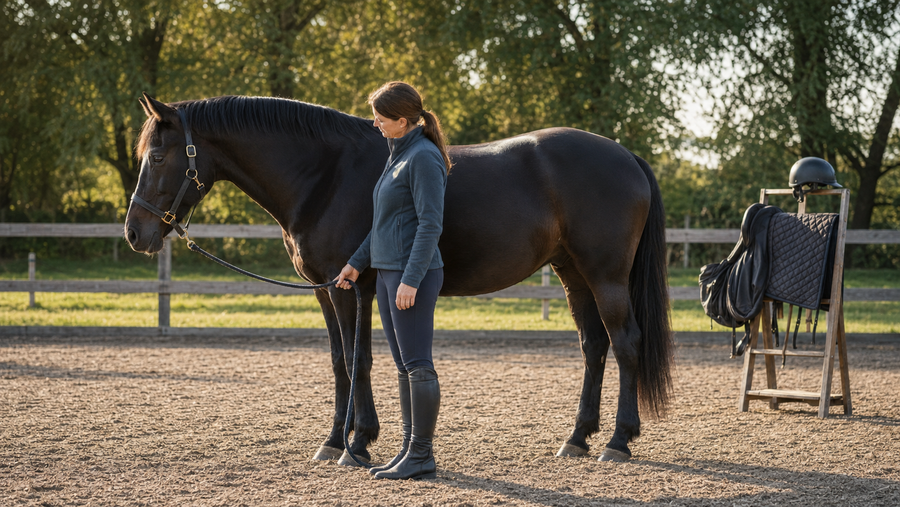
  • watch the horse move freely without a rider

If the tail movement disappears during groundwork but returns when riding begins, the cause often involves tack pressure or workload.

When Tail Swishing Becomes a Warning Sign

Occasional tail movement is normal.

However, riders should take note when tail swishing is paired with other resistance behaviors such as:

  • pinning ears
  • rushing transitions
  • kicking out during leg cues
  • bucking or crow hopping

In these cases, the tail swish is often an early signal of a deeper discomfort that deserves attention.

The Value of Listening to Small Signals

One of the advantages of good horsemanship is recognizing the quiet signals before they become loud ones.

A horse that swishes its tail is not being disobedient. More often it is simply communicating.

When riders pay attention to those signals early, they can adjust training, equipment, or workload before small irritation turns into real resistance.

And that keeps the ride smoother for both horse and rider.

Founder’s Note · Jon Conklin

I write about these topics because they come directly from conversations with real riders. The goal is clarity, fewer assumptions, and better outcomes for the horse.

Further Reading

Build a Complete Recovery Routine

Want a smarter way to handle soreness, heat, swelling, and post-ride leg care? Visit our Performance Recovery Hub for clear routines and product guidance.

Visit the Recovery Hub