Jun 03, 2026
Horse Gets Heavy in Your Hands Late in the Ride
A Real Rider Resource guide for noticing when a horse gets heavy in the hands late in the ride, including fatigue, balance, rider timing,...

Real Rider Resource
Pigeon fever concerns are not just about one horse. They are about veterinary guidance, clean tools, fly pressure, sanitation, and a barn routine that keeps contamination from moving around.
Pigeon fever can make a barn nervous because it often shows up with swelling, discomfort, and a lot of questions. The wrong move is acting like it is just another everyday bump.
The right move is simple: get your veterinarian involved, keep the horse’s environment clean, reduce insect pressure, and avoid moving contaminated material around the barn.
When a horse has suspicious swelling or illness signs, get veterinary guidance before the barn starts improvising.
Barn problems spread when people get casual with tools, towels, buckets, grooming gear, gloves, hands, boots, stall fronts, and flies. Good biosecurity does not need to be dramatic. It needs to be consistent.
That means separating supplies, cleaning surfaces, managing insects, and making sure everyone in the barn understands the plan.
Fly control does not replace veterinary care, but it matters. Manure management, airflow, clean areas, turnout timing, and appropriate insect-control routines all work together.
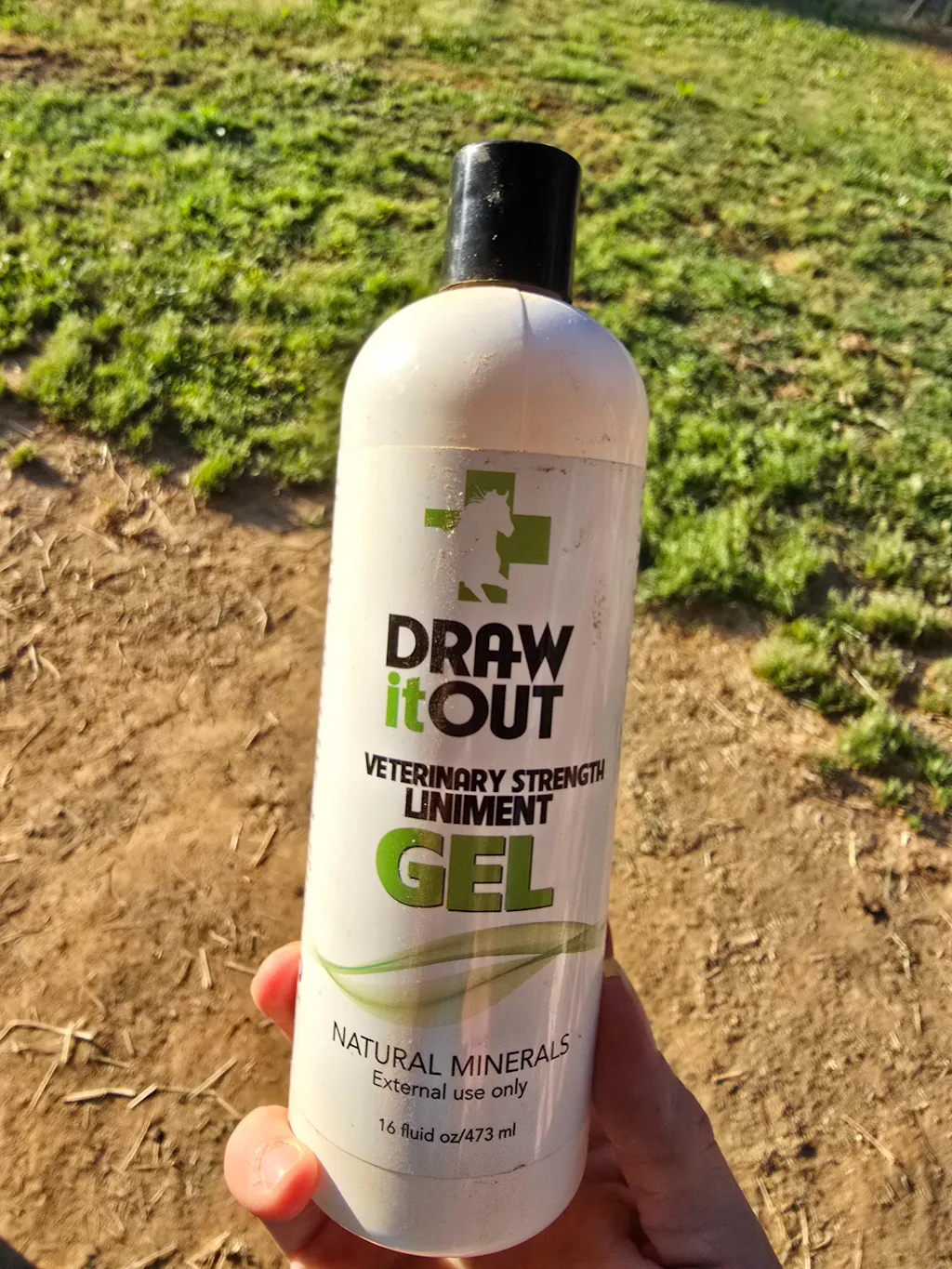
Draw It Out® products can support ordinary barn routines where appropriate: grooming, hygiene, skin awareness, and insect-pressure management. They do not replace veterinary diagnosis or care.
Daily Routine Picks can help organize routine barn support. For education, visit the Horse Health Library.
Call your veterinarian for suspicious swelling, dullness, discomfort, multiple affected horses, or any change you cannot confidently explain.
Pigeon fever concerns require discipline. Get veterinary guidance, control the barn environment, reduce fly pressure, separate tools, and keep the routine clean enough that one concern does not become a barn-wide problem.
Educational only. This article is not a substitute for veterinary diagnosis or treatment. Suspicious swelling, illness signs, barn spread concerns, or non-improving issues should be discussed with your veterinarian.
When the situation feels medical, the best product is a phone call to the vet.
A Real Rider Resource guide for noticing when a horse gets heavy in the hands late in the ride, including fatigue, balance, rider timing,...
A practical Real Rider Resource guide for tracking fatigue, recovery, workload changes, footing, heat, and conditioning when a horse need...
A Real Rider Resource guide for horses that lose try, get dull, or feel less willing under saddle. Check pressure, timing, tack, fatigue,...
Want a smarter way to handle soreness, heat, swelling, and post-ride leg care? Visit our Performance Recovery Hub for clear routines and product guidance.
Visit the Recovery Hub!