Boot Heat & Cooling Protocol
Boots protect the leg. They also trap heat. Knowing when that tradeoff matters is what keeps small issues from becoming bigger ones.
This connects directly to Heat-Index Riding and your broader Prehabilitation system. It is not about removing boots. It is about using them intelligently.
Materials 101: what traps heat
| Material | Airflow | Heat Risk | Best Use |
|---|---|---|---|
| Fleece | Low | High | Support, not high heat work |
| Neoprene | Moderate | Moderate to High | Protection with awareness |
| Perforated Neoprene | Improved | Moderate | Balanced use |
| Air Mesh | High | Lower | Hot conditions, longer work |
10-minute cooling protocol
- Scrape off sweat and water
- Hose legs if heat is present
- Walk to normalize circulation
- Dry completely
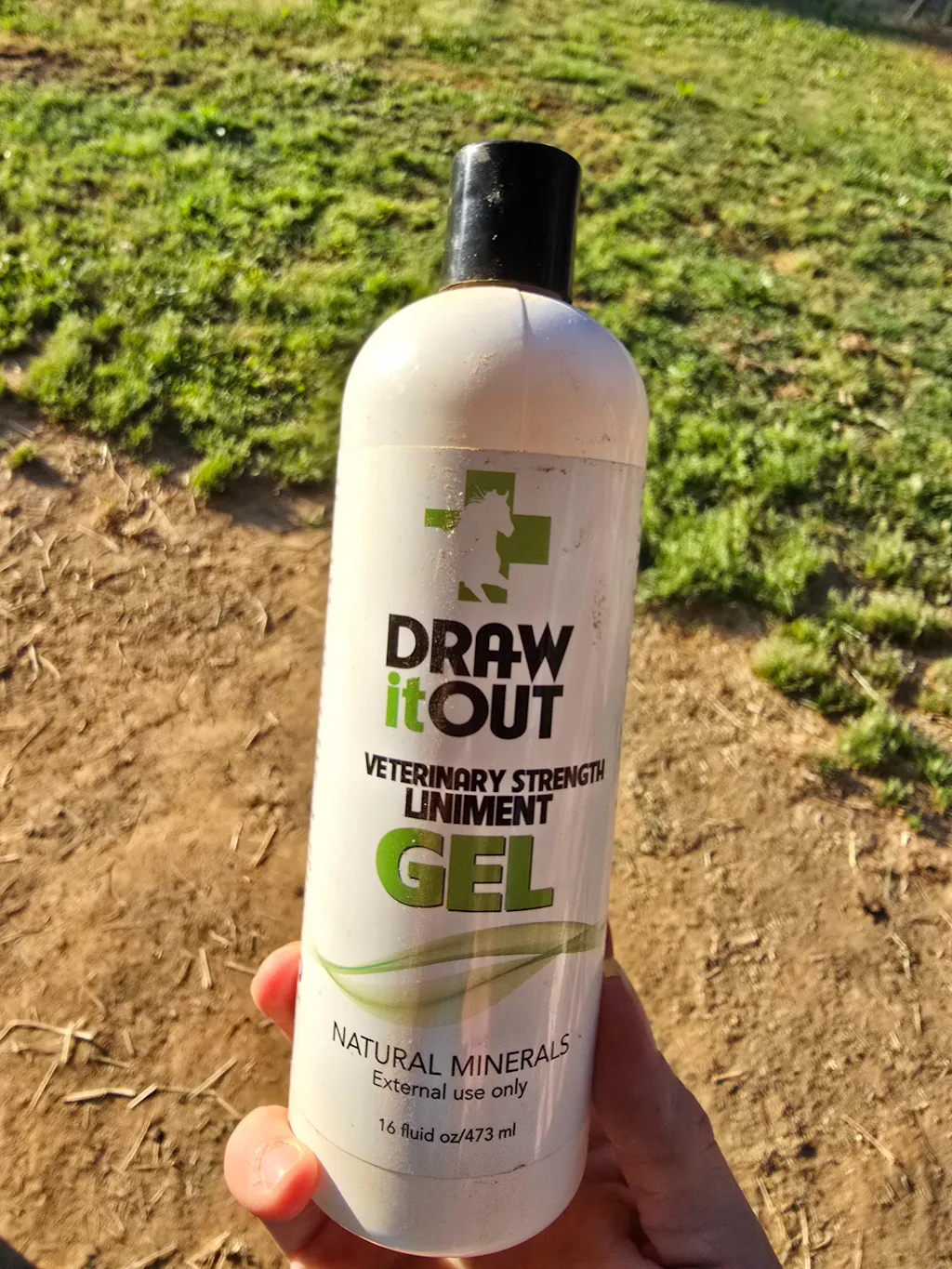
- Apply a light layer of liniment gel
- Wrap only if part of your normal system
This sequence matters more than product choice. Consistency beats intensity.
When to skip boots
Not every ride needs them.
- High heat index conditions
- Long-duration work
- Horses that naturally run hot
- Light work where protection is not needed
Use boots when they solve a problem. Skip them when they create one.
What to watch for
- Excessive leg warmth after removing boots
- Delayed cooling
- Increased sensitivity
- Stocking up or stiffness
If you see the pattern, adjust early.
Where this fits
FAQ
Is liniment gel safe under boots?
Yes, when applied lightly and when the formula is calm and non-irritating. Avoid trapping excess heat.
When should boots be skipped?
High heat, long work, or when the horse runs hot are all situations where less can be better.