Horse Pins Ears When Riding: What It Can Mean and What to Check

Real Rider Resource

Horse Pins Ears When Riding: What It Can Mean and What to Check

Ear pinning under saddle is easy to dismiss as attitude. Sometimes it is tension, anticipation, or learned resistance. Sometimes it is your horse giving you one of the earliest warnings that work, tack, or effort does not feel right. The smart move is not to label it too fast. The smart move is to read the pattern.

Speakable summary: If your horse pins its ears when asked to work, pay attention to when it happens, what it happens with, and whether it is paired with stiffness, tail swishing, or resistance. Ear pinning is a signal, not a diagnosis.

When a horse starts communicating discomfort early, riders who slow down and check the whole picture usually prevent a bigger problem later. That is the right frame for this article. Not punishment. Not panic. Pattern recognition.

Ear pinning under saddle is communication

A horse that pins its ears when ridden is telling you something changed. The ears alone do not tell you exactly what. They do tell you to stop treating the reaction like random bad behavior.

Important distinction: ear pinning is a signal. The job is to figure out whether the signal points to discomfort, confusion, fatigue, anticipation, or a pattern that has been rehearsed over time.

Common discomfort triggers

  • Back soreness or topline sensitivity
  • Saddle pressure or poor placement
  • Muscle tightness in the shoulder, loin, or hind end
  • Effort that feels harder than it should during transitions or collection

Other possible contributors

  • Mixed rider cues that create frustration
  • Anticipation of work after repeated hard rides
  • Fatigue late in the ride
  • Learned resistance that now shows up as a habit

Pattern matters more than the expression itself

The fastest way to sort this out is to watch for timing. When does the ear pinning appear? What asks seem to trigger it? What other changes come with it?

What you notice What it may suggest What to pay attention to next
Ears pin only when the saddle is on and work begins Tack discomfort, back sensitivity, or anticipation tied to riding Compare behavior on the ground, during grooming, and at mounting
Ears pin during upward transitions or when more impulsion is asked Effort feels difficult, hind end engagement is limited, or cues are conflicting Watch for loss of push, hollowing, tail swishing, or delayed response
Ears pin at the beginning of every ride, then improve Stiffness, soreness, or tension that eases with warm up Notice whether the horse moves freer after a longer, calmer start
Ears pin more as the ride goes on Fatigue, soreness buildup, or mental sourness from workload Check whether the horse shortens stride, braces, or loses willingness later
Ears pin with leg aid, girthing, or mounting Pressure sensitivity, rib or back discomfort, or anticipation Look for flinching, guarding, or changes around tack up

What to check first before calling it attitude

Most riders get farther by checking a few practical things in order than by reacting to the expression itself.

1. Compare ground behavior to ridden behavior

If the horse seems relaxed while handling, grooming, and walking in hand, then changes only once asked to work, that narrows the problem. It suggests the issue may be connected to tack, effort, or riding cues rather than general temperament.

2. Look at tack before blaming the horse

Check saddle placement, pad bulk, girth position, and whether anything has changed recently. A horse that pins ears when the leg closes or the back rounds may be telling you the setup is part of the problem.

3. Feel for soreness and tightness

Notice whether the topline, shoulder, loin, or hindquarter areas feel guarded. Watch whether your horse stiffens when you brush, curry, or apply light pressure over the back and large muscle groups.

4. Review the workload honestly

If work has been more intense, more frequent, or more demanding than usual, the ear pinning may be the first visible sign that recovery is not fully keeping pace with effort.

A prevention-first routine matters here. If you need a structured daily system, start with Prehabilitation and keep your support routine anchored to what the horse is actually doing week to week.

When ear pinning is more likely to point to discomfort

You should lean harder into the physical side of the equation when ear pinning shows up alongside other changes in movement or behavior.

  • Tail swishing during requests that should be simple
  • Shorter stride, especially behind
  • Hollowing the back when leg is applied
  • Refusal to go forward cleanly
  • Head tossing, bracing, or rooting
  • A sharper reaction during canter transitions or collected work

That combination does not automatically tell you what is wrong. It does tell you the horse is likely dealing with more than mood.

When to take it more seriously

Not every pinned ear is a crisis. Some are momentary and obvious. But you should move faster when the pattern is getting bigger, louder, or more frequent.

Do not sit on escalation. If the expression is progressing into persistent resistance, bucking, refusal, obvious asymmetry, or a meaningful drop in willingness, it is time to widen the check, reduce the demand, and involve the appropriate professional support.

  • The horse used to do it occasionally and now does it almost every ride
  • The reaction now appears earlier in the work
  • It is paired with gait changes or loss of performance
  • The horse pins ears during tacking, mounting, and riding

What to do today

Keep the response simple. Lower the temperature. Start collecting information.

  • Note exactly when the ear pinning starts
  • See whether it changes after a longer warm up
  • Review tack and recent workload changes
  • Compare how the horse feels before work, during work, and the next day
  • Support recovery instead of waiting for the pattern to harden

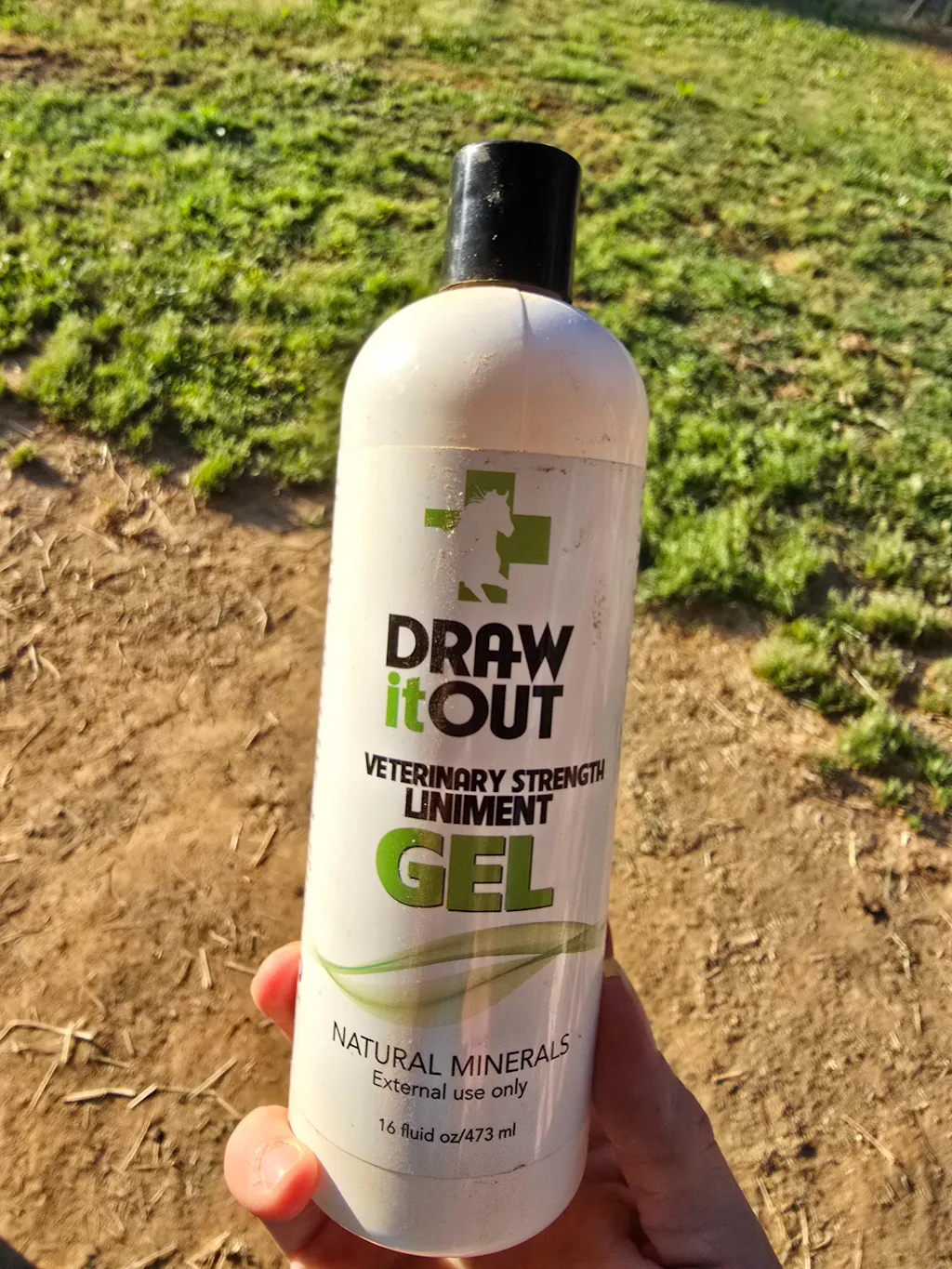
For riders building a calmer daily recovery routine, the Draw It Out® liniment collection is where most start. If you are not sure which path fits what you are seeing, use the Solution Finder. If you want the broader education hub, go to the Horse Health Library.

Best next move: treat ear pinning like early information. You do not need to dramatize it, and you do not need to ignore it. You need a repeatable way to check the horse, adjust the workload, and support recovery before the conversation gets louder.

Frequently asked questions

Does a horse pinning its ears always mean pain?

No. It can also reflect frustration, confusion, anticipation, or learned resistance. But when the timing is consistent under saddle, riders should still check for physical contributors before assuming it is just attitude.

Why does my horse pin its ears only when I ask for trot or canter?

That pattern can point to effort becoming uncomfortable, especially during transitions or when more engagement is required. It can also show up when rider cues are unclear or conflicting.

What if my horse pins its ears at the start of the ride and then improves?

That often suggests stiffness, anticipation, or soreness that eases as the horse warms up. It is still worth tracking, because repeated early-ride ear pinning can be an early warning that recovery is not where it should be.

Can saddle fit cause a horse to pin its ears?

Yes. Saddle pressure, pad bulk, girth discomfort, or poor placement can all change how a horse feels once ridden work begins. If the reaction appears mostly under tack, do not skip this check.

What is the smartest first step if my horse suddenly starts pinning its ears when ridden?

Track the timing, reduce the demand, check tack and soreness, and compare how the horse behaves on the ground versus under saddle. That gives you better information than punishing the reaction and hoping it disappears.

Educational support only. This article is not a diagnosis. Follow product directions and work with your veterinarian or other qualified professionals when symptoms persist, intensify, or change suddenly.

laissez un commentaire

Veuillez noter que les commentaires doivent être approuvés avant d'être publiés.

Start here

Reading first? Here’s the clean path.

This article explains background and context. If you’re here to act, these are the most common next steps riders take.

What this looks like in real barns

Further Reading

Keep your barn dialed in

Simple, rider-trusted tips and tools.

Build a Complete Recovery Routine

Want a smarter way to handle soreness, heat, swelling, and post-ride leg care? Visit our Performance Recovery Hub for clear routines and product guidance.

Visit the Recovery Hub

Rider Favorites—Always in the Kit

Four core Draw It Out® staples riders reach for daily.

Where to go next

If this topic connects to what you’re seeing in your horse, these are the most common next steps.