Draw It Out guide to cold mornings tight shoulders and equine forehand prep


Real Rider Resource

Cold Mornings, Tight Shoulders: The Forehand Factor Before Spring

If your horse feels short in front on cold mornings, you are not imagining it. Here is how to support shoulder mobility and forehand comfort before spring conditioning ramps up.

Speakable summary

Cold late winter mornings can tighten the shoulder sling and shorten stride. Extend warm up time, prioritize forward stretching, and use low poles to restore reach before you add spring intensity.

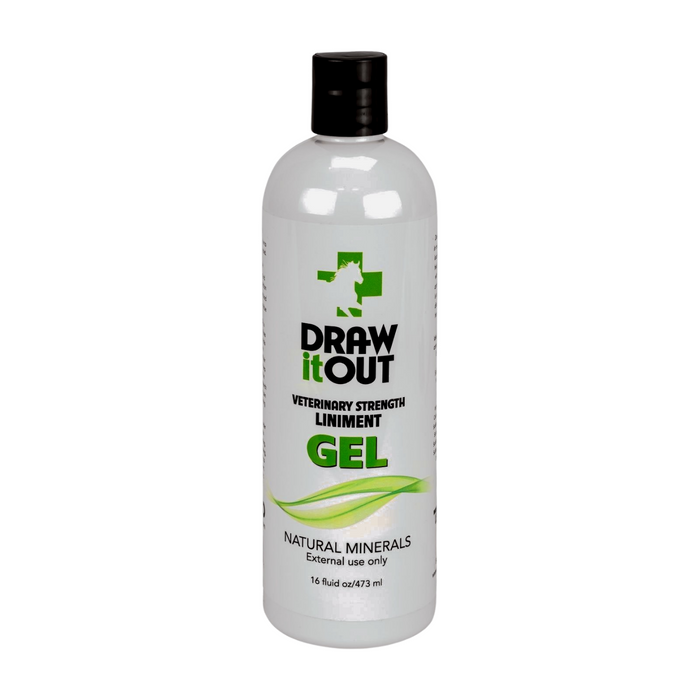
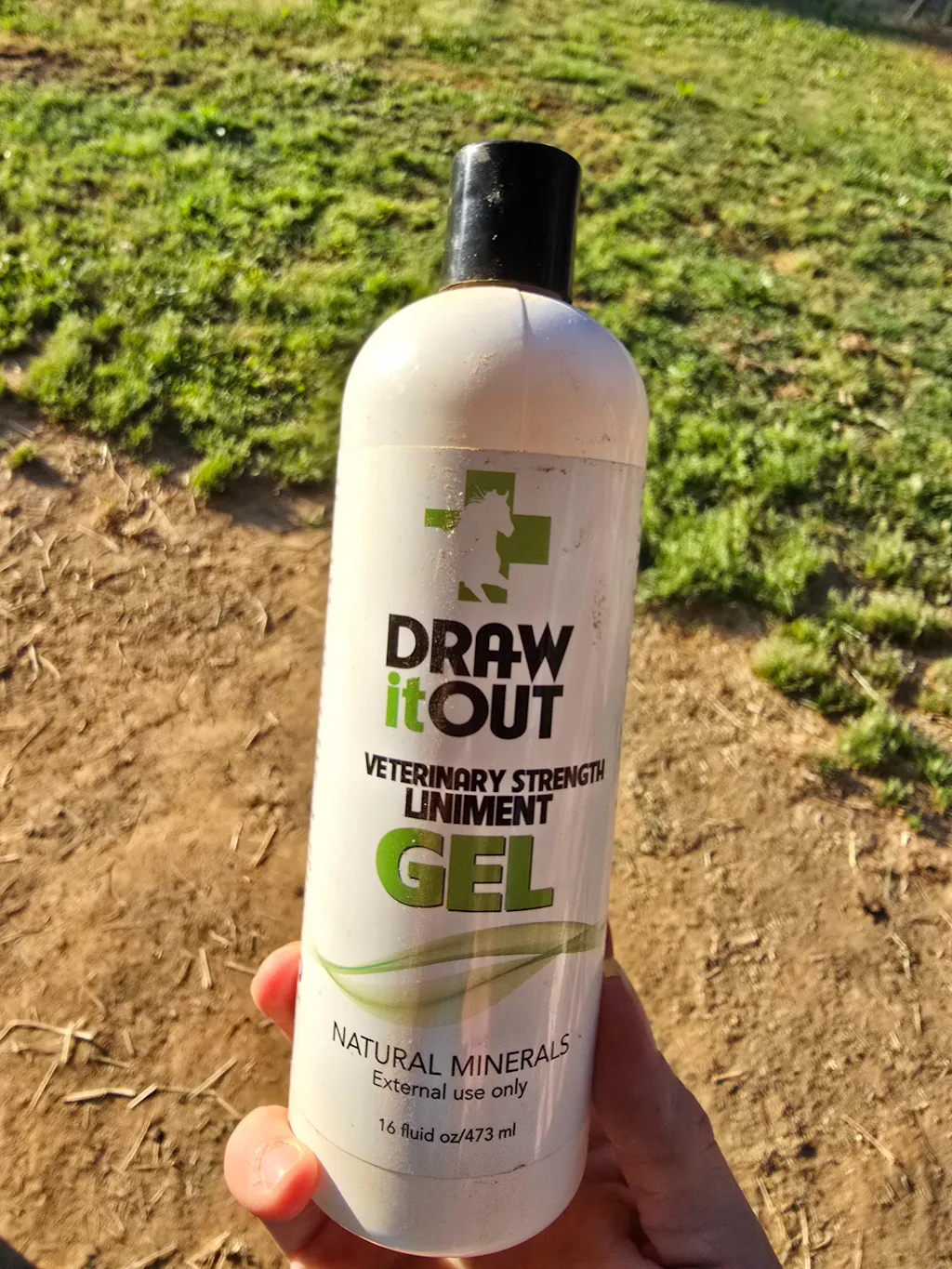
Draw It Out 16oz high potency liniment gel used in a calm shoulder mobility warm up routine
A tight forehand often improves mid ride. That pattern matters before you increase spring workload.
Quick read on what this is: not a lameness diagnosis. It is a seasonal pattern where cold and winter routines reduce forehand elasticity, and spring training exposes it fast.

Why the shoulders tighten in late winter

Cold affects circulation and tissue pliability. Add winter realities like smaller turnout, deeper footing during thaw cycles, shorter rides, and less consistent warm ups, and the scapular region can lose fluidity.

The forehand is not a simple hinge. The front limb is supported by a muscular sling system rather than a direct bony attachment to the spine. When that sling gets guarded or tight, you can feel it as:

  • shorter reach in front
  • heavier transitions
  • less freedom in the shoulder on circles
  • a harder time finding soft contact early in the ride

Early signs of forehand restriction

These are common "quiet tells" riders notice before anything becomes obvious:

  • difficulty stretching long and low at the start
  • choppy pole work that improves after 10 to 15 minutes
  • resistance in downward transitions
  • uneven sweat patterns behind the shoulder
  • mild filling in lower front limbs after cold stall time

The spring workload mismatch

This is the time of year riders add transitions, lateral work, longer sessions, and more impulsion. If the forehand is still living in winter, the body finds range somewhere else.

If it cannot come from the shoulder, it tends to come from the neck, lower limb, or back. That is how minor tightness turns into compensation patterns.

Resetting shoulder elasticity before you add intensity

1) Extend the warm up

Give the forehand time to lengthen before you ask for frame or collection. Think marching walk first, then forward trot with space, then shape.

2) Prioritize forward stretching

Not dumping the reins. Forward intent with a soft feel. Let the shoulder open and the ribcage swing before you ask for precision.

3) Use low poles, not higher demands

Low poles encourage natural shoulder lift and reach without force. If the first pass is choppy, do not punish it. Use it as information, then repeat calmly after a longer warm up.

4) Check the 24 hour feedback

After a ride where you pushed the workload, check for next day sensitivity along the scapula, behind the elbow, and along the girth line. If you see a pattern, back the intensity down and build mobility first.


Where routines fit in

Late winter is a predictable stress window. Riders who do best in spring are rarely the ones who grind harder. They are the ones who stay consistent with prep and recovery.

If something feels suddenly off or one sided, bring your veterinarian and qualified bodyworker into the loop. This guide supports smart routines, not diagnosis.

FAQ

Why does my horse feel short in front only at the start of the ride?

Cold and stall time reduce tissue elasticity. Many horses loosen as circulation increases, which is why the first 10 to 15 minutes can feel tight even when the rest of the ride feels normal.

Is forehand tightness always a saddle fit problem?

No. Tack can contribute, but late winter often creates a mobility gap first. If the pattern persists despite longer warm ups and consistent mobility work, then tack and movement evaluation become smart next steps.

What is the safest first change to make?

Extend the warm up and ride forward with reach before you ask for shape. Add low poles only after the horse feels longer and freer in basic gaits.

How do I know if my horse is compensating instead of simply stiff?

Watch for neck bracing, uneven contact, or a back that feels tighter as the horse warms up. When the shoulder cannot open, other areas often overwork to create the same overall stride.

Where can I find the best routine match for my horse and workload?

Use the guided tool and start with the Solution Finder, then build your baseline habits through the Prehabilitation page.

Educational support only. Follow label directions and your veterinarian’s guidance.

 

Оставить комментарий

Обратите внимание, что комментарии должны быть одобрены, прежде чем они будут опубликованы.

Start here

Reading first? Here is the clean path.

This article gives you the background. If you are ready to put the idea into a real horse care routine, these are the next places most riders should go.

Daily recovery

Liniment Gels

Explore the Draw It Out® liniment gel lineup for everyday use, post-work routines, and targeted recovery support.

Shop liniment gels
Find the fit

Solution Finder

Match your horse’s workload, age, routine, and care goals to the Draw It Out® products that make the most sense.

Use the finder
Routine first

Prehabilitation

Learn how riders support soundness, comfort, and consistency before little issues become bigger problems.

Read the guide
Simple rule: read the article for context, use the Solution Finder for direction, then build the routine around the product format your horse will actually use consistently.

Real Barn Proof

What this looks like in real barns.

Real riders. Real horses. Real routines. These clips rotate automatically so the proof stays fresh without weighing the page down with a long feed.

Random rider clips

Why this matters: good horse care should make sense outside the ad. These clips show the kind of everyday use that builds trust one barn at a time.

Further Reading

Keep building the routine.

Horse care works better when the next step is clear. These related reads help connect today’s topic to better daily decisions in the barn.

Horse health news

Start with the principle, then build the habit. The right article should make the next barn decision easier, not more complicated.

Next Step

Keep your barn dialed in.

Simple care guides, practical product paths, and rider-trusted tools built for real horses and real routines.

Good care gets easier when the next step is obvious. Read the guide, match the routine, then choose the format that fits how your barn actually works.

Recovery Routine

Build a complete recovery routine.

Want a smarter way to think through post-ride care, heat, swelling, leg support, and daily recovery decisions? Start with the Performance Recovery Hub.

Better recovery starts with a repeatable routine. The hub gives riders a clearer path from workload to product format to aftercare timing.

Rider Favorites

Always in the kit.

Four core Draw It Out® staples riders keep close for daily recovery routines, wash rack use, targeted support, and quick barn-side care.

Core barn staples
Draw It Out® 16oz Liniment Gel | Daily Horse Care

Stay-Put Gel

16oz Liniment Gel

The everyday liniment gel format riders reach for when they want targeted, no-mess application.

View product
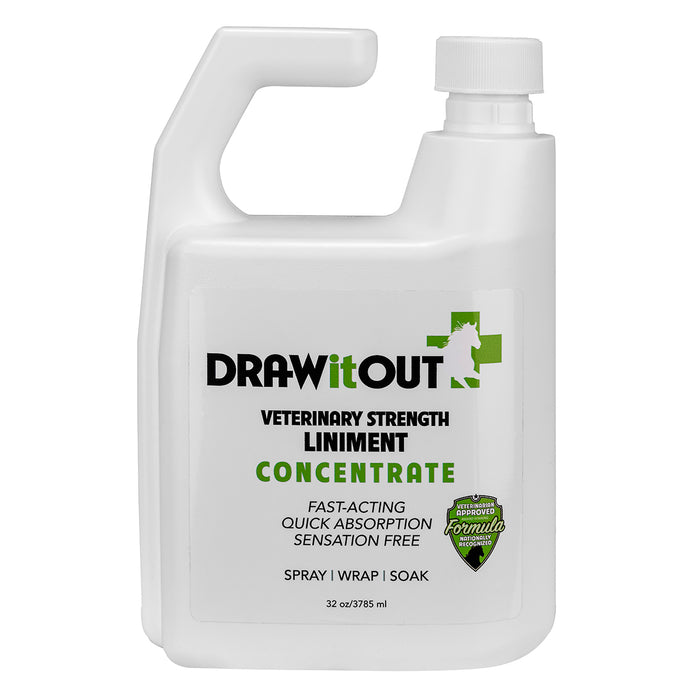
Draw It Out® 32oz Liniment Concentrate | Mix-to-Use Formula

Mix Your Way

32oz Concentrate

A flexible concentrate for riders who want to mix their own routine around workload and barn needs.

View product
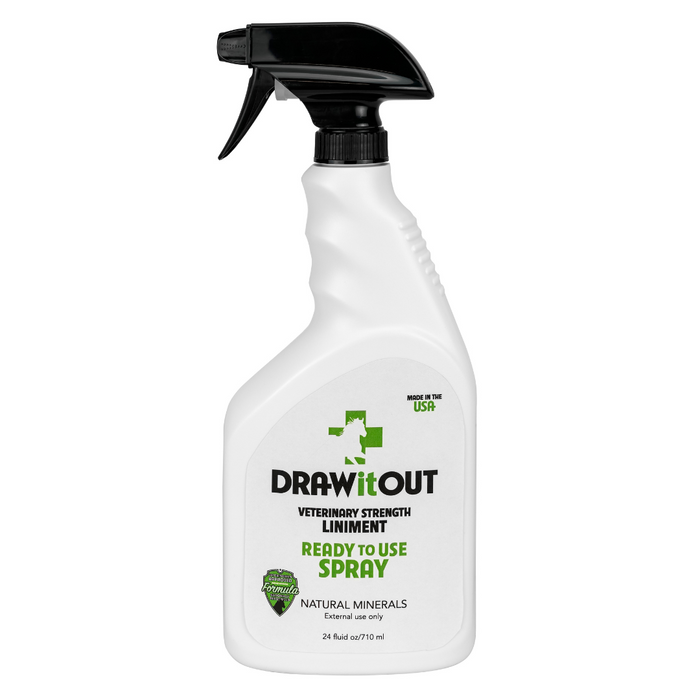
Draw It Out® RTU Spray 24oz | Ready-to-Use Liniment Spray

Ready To Use

24oz RTU Spray

A ready-to-use spray format for quick application after work, travel, turnout, or daily care.

View product
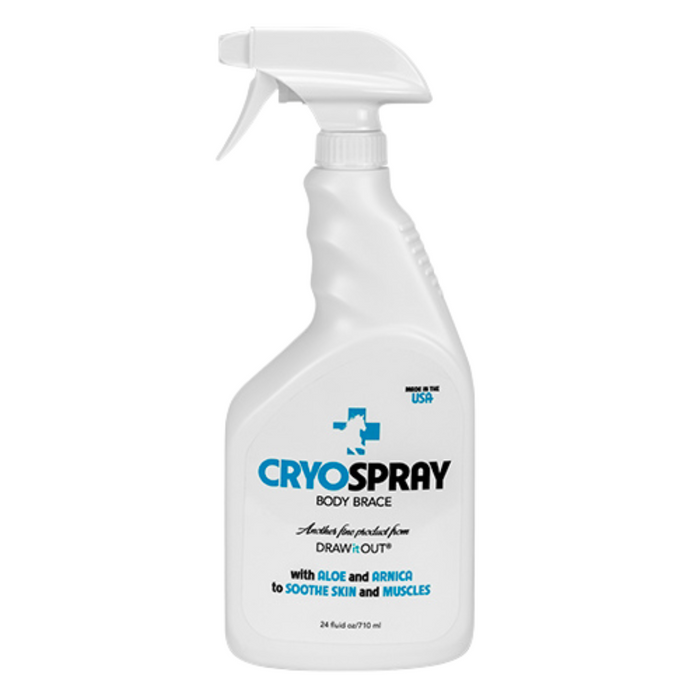
CryoSpray® by Draw It Out® 24oz | Cooling Body Brace for Horses

Cooling Brace

CryoSpray

A cooling body brace spray for riders who want a fast, practical option after hard work or hot days.

View product

Format matters. Gel, concentrate, ready-to-use spray, and cooling spray each solve a different barn problem. Pick the one your routine will actually use.

Where To Go Next

Turn the idea into a routine.

If this topic connects to what you are seeing in your horse, these are the three cleanest next steps. Start with direction, then choose the product format that fits the way your barn actually works.

Next steps

Best next move: use the Solution Finder first when the issue is unclear. Go straight to the liniment gel collection when you already know the format you want.