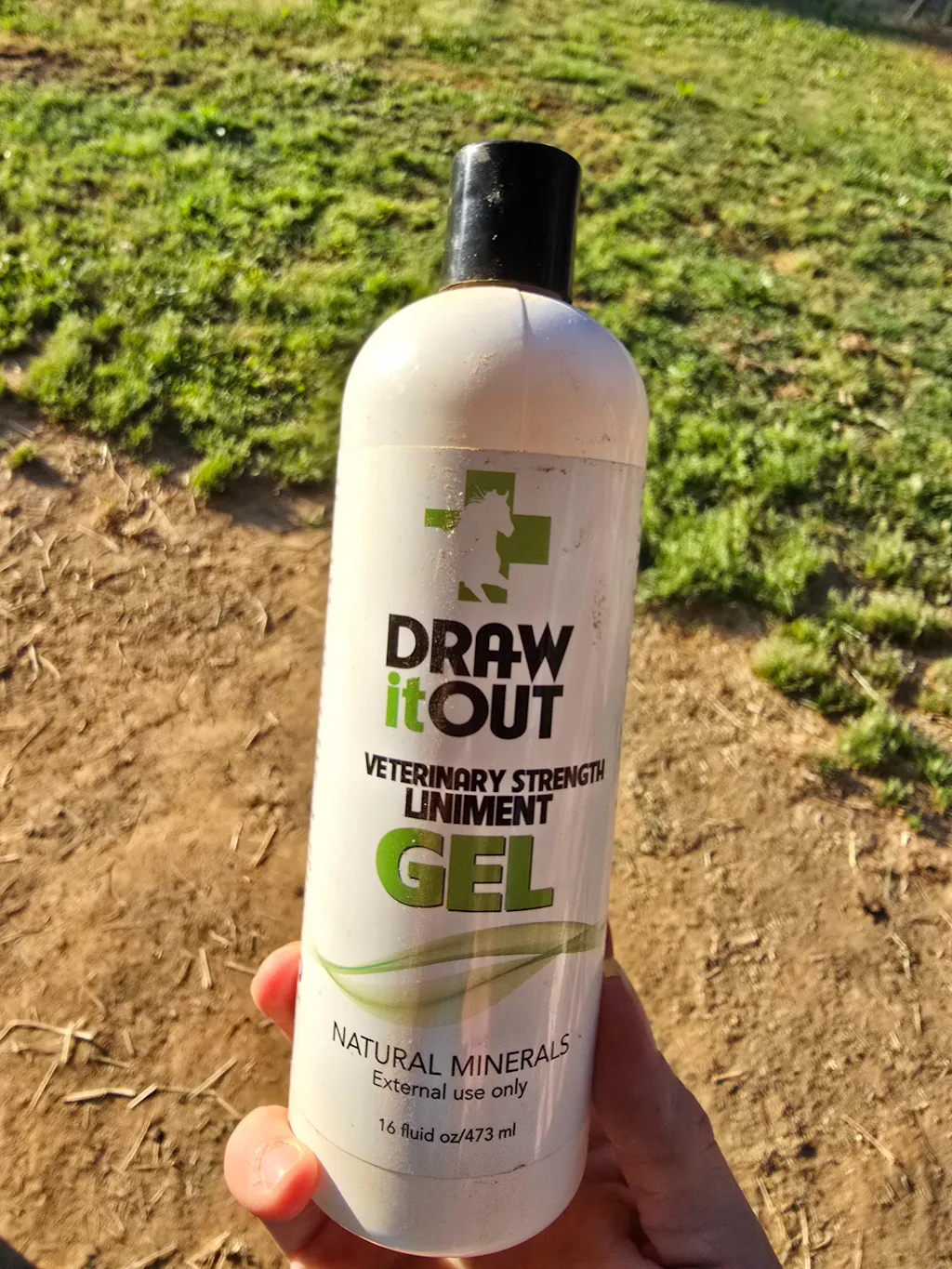
Daily recovery
Liniment Gels
Explore the Draw It Out® liniment gel lineup for everyday use, post-work routines, and targeted recovery support.
Shop liniment gels
As the days grow shorter and the temperatures drop, it's essential for horse owners to prepare their equine companions for colder weather. Just like humans, horses are susceptible to the effects of winter, including cold temperatures, harsh winds, and wet conditions. Proper preparation can ensure the health and well-being of your horse during the colder months. In this comprehensive guide, we will explore the steps necessary to keep your horse comfortable and healthy as winter approaches.
Assessing Your Horse's Needs
Before diving into specific preparations, it's important to assess your horse's individual needs. Factors to consider include:
Age and Health: Older horses or those with pre-existing health conditions may require additional care and attention during the winter.
Body Condition: Evaluate your horse's body condition score (BCS). Horses with a lower BCS may need extra feed to maintain their weight in colder weather.
Breed: Some horse breeds are better equipped to handle cold weather than others. Draft horses and breeds with heavy coats tend to fare better in winter.
Workload: Horses in heavy work may need more calories to maintain energy levels and body condition.
Shelter: Assess the quality and availability of shelter in your horse's environment. Adequate shelter is crucial for protection from the elements.
Pasture and Forage Availability: Consider the availability and quality of pasture and forage. In many regions, winter reduces the availability of fresh forage, which may necessitate adjustments in your horse's diet.
Nutrition
Proper nutrition is paramount for your horse's well-being during colder months. Here are some key considerations:
1. Adjust Feed Rations
Horses require more energy to stay warm in cold weather. Increase their forage intake to help generate body heat. High-quality hay, free-choice if possible, can provide essential calories. Ensure the hay is clean, free from mold, and stored properly to maintain its nutritional value.
Consider the type of hay you're feeding. Legume hays like alfalfa have higher calorie content than grass hays like timothy or Bermuda grass. Adjust the hay type and quantity to meet your horse's energy needs.
Additionally, consider providing supplemental feed. Concentrated feeds like grains or pellets can offer extra calories. Consult with a veterinarian or equine nutritionist to develop a balanced winter feeding plan tailored to your horse's specific requirements.
2. Supplements
In many regions, winter pastures may lack essential vitamins and minerals. Consult with a veterinarian or equine nutritionist about the need for supplements, such as vitamin and mineral supplements or added fats, to support your horse's winter diet. Common supplements include vitamin E, selenium, and omega-3 fatty acids.
3. Fresh Water
Ensure your horse has access to clean, unfrozen water at all times. Dehydration can be a concern in winter when water sources freeze. Consider using heated water buckets or tank heaters to prevent freezing.
Horses may naturally reduce their water intake in colder weather, so monitor their water consumption closely. Encourage them to drink by offering slightly warmed water or providing salt blocks to stimulate thirst.
4. Balanced Diet
Maintain a balanced diet. Protein is essential for muscle maintenance and overall health. Ensure that the protein content of your horse's diet meets their needs. Too much protein can be harmful, so consult with a nutritionist to strike the right balance.
Blanketing
Blanketing can help keep your horse warm and dry. However, it's crucial to use blankets correctly:
1. Choose the Right Blanket
Select a blanket appropriate for the temperature and your horse's coat. Light blankets for cool weather and heavier ones for extreme cold. The thickness of the blanket should correspond to your region's typical winter conditions.
Consider investing in a waterproof or water-resistant blanket to protect your horse from rain or snow. Wet fur can compromise your horse's ability to stay warm.
2. Proper Fit
Ensure the blanket fits well to prevent chafing or rubbing. Check and adjust the fit regularly, especially if your horse is prone to weight fluctuations. A properly fitting blanket should cover the neck, withers, and back without restricting movement or causing discomfort.
3. Monitor Temperature
Be mindful of the weather; remove the blanket if the temperature rises to prevent overheating. Sweating under a blanket can lead to chilling when the temperature drops again. A good rule of thumb is to check your horse's comfort under the blanket by feeling their body temperature and watching for signs of sweating or shivering.
Shelter
Adequate shelter is essential for your horse's well-being during winter. Here's what you need to consider:
1. Stable or Shelter
Provide access to a stable, run-in shed, or other suitable shelter to protect your horse from wind, rain, and snow. If your horse lives primarily outdoors, a windbreak or natural barrier can provide some protection from the elements.
Ensure the shelter is well-maintained, with no leaks or drafts. Clean and dry the shelter regularly to prevent the buildup of moisture and ammonia fumes, which can affect respiratory health.
2. Bedding
Keep the bedding dry and clean to provide insulation from the cold ground. Straw or shavings are common choices. Deep bedding helps trap warmth and provides a comfortable surface for resting.
Monitor your horse's bedding regularly and add more as needed. Remove soiled bedding promptly to maintain a hygienic environment.
3. Ventilation
Ensure proper ventilation in the shelter to reduce condensation and prevent respiratory issues. Good ventilation prevents the buildup of moisture, which can lead to mold and respiratory problems. Adequate ventilation also helps remove odors and ammonia fumes.
Consider using fans or vents to facilitate airflow while still protecting your horse from drafts.
Health Care
Cold weather can increase the risk of certain health issues. Here's what you should keep in mind:
1. Hoof Care
Regular hoof maintenance is crucial in winter to prevent snowballing and other hoof-related issues. Keep hooves clean and dry, and schedule regular trims with a qualified farrier. Consider using hoof oil or sealants to provide extra protection against moisture.
2. Dental Care
Ensure your horse's teeth are in good condition. Proper dental health aids in efficient digestion. Schedule a dental check-up before winter to address any issues that may affect your horse's ability to chew and process feed effectively.
3. Parasite Control
Continue with a regular deworming schedule as advised by your veterinarian. While parasite activity tends to decrease in cold weather, it's still essential to protect your horse from internal parasites.
4. Vaccinations
Consult with your vet to determine if any vaccinations need to be updated before winter. Depending on your region and horse's risk factors, vaccinations against diseases like influenza and equine herpesvirus may be necessary.
5. Winter-Related Health Issues
Be vigilant for signs of winter-related health issues, such as:
Colic: Changes in feed and water consumption, reduced exercise, and possible dehydration can increase the risk of colic. Monitor your horse for colic symptoms, and contact your veterinarian if you suspect a problem.
Respiratory Problems: Stalled horses may be exposed to increased dust and ammonia levels. Maintain good ventilation and clean bedding to minimize respiratory issues.
Lameness: Cold and slippery conditions can lead to slips and falls, potentially causing lameness. Ensure safe footing in areas where your horse moves, and consider using traction devices if necessary.
Exercise
Horses still need regular exercise during the winter. Exercise helps maintain muscle tone, circulation, and mental well-being. Here's how to manage exercise during the colder months:
1. Indoor or Covered Arenas
If possible, provide access to indoor or covered arenas for riding and training. These spaces offer a warm, dry environment for exercise, making it more comfortable for both you and your horse.
2. Outdoor Exercise
If outdoor turnout is the only option, ensure safe footing. Clear icy or snowy patches to prevent slips and falls. Be cautious about overexertion in deep snow, as it can lead to fatigue and injuries.
3. Regular Turnout
Maintain a regular turnout schedule. Even if your horse spends more time indoors during winter, they should still have daily access to an outdoor space for movement and social interaction with other horses.
Conclusion
Preparing your horse for colder weather is a vital responsibility for any horse owner. By assessing your horse's specific needs, providing proper nutrition, ensuring adequate shelter, and addressing health concerns, you can help your equine companion stay healthy and comfortable throughout the winter months. Regular monitoring and adjustments to your horse's care routine will help ensure their well-being in even the harshest of winter conditions.
Remember that consulting with a veterinarian or equine specialist is always a wise choice for tailored guidance based on your horse's individual needs. With the right preparations and care, you can look forward to a safe and enjoyable winter with your horse, knowing that you've taken all the necessary steps to keep them happy and healthy.
This article gives you the background. If you are ready to put the idea into a real horse care routine, these are the next places most riders should go.
Explore the Draw It Out® liniment gel lineup for everyday use, post-work routines, and targeted recovery support.
Shop liniment gelsMatch your horse’s workload, age, routine, and care goals to the Draw It Out® products that make the most sense.
Use the finderLearn how riders support soundness, comfort, and consistency before little issues become bigger problems.
Read the guideReal Barn Proof
Real riders. Real horses. Real routines. These clips rotate automatically so the proof stays fresh without weighing the page down with a long feed.
Why this matters: good horse care should make sense outside the ad. These clips show the kind of everyday use that builds trust one barn at a time.
Further Reading
Horse care works better when the next step is clear. These related reads help connect today’s topic to better daily decisions in the barn.
Jun 04, 2026
A practical guide to choosing a horse skin salve instead of a spray when targeted, stay-put topical coverage matters in the barn.
Read article
Jun 03, 2026
A practical horse health routine for checking breathing, sweat, legs, hydration, and recovery when a horse cools out slowly after hot weather ...
Read article
Jun 03, 2026
Multi-horse barns need horse-care products that are practical, repeatable, and sized for real use. This guide compares barn-size liniment opti...
Read articleStart with the principle, then build the habit. The right article should make the next barn decision easier, not more complicated.
Next Step
Simple care guides, practical product paths, and rider-trusted tools built for real horses and real routines.
Good care gets easier when the next step is obvious. Read the guide, match the routine, then choose the format that fits how your barn actually works.
Recovery Routine
Want a smarter way to think through post-ride care, heat, swelling, leg support, and daily recovery decisions? Start with the Performance Recovery Hub.
Better recovery starts with a repeatable routine. The hub gives riders a clearer path from workload to product format to aftercare timing.
Rider Favorites
Four core Draw It Out® staples riders keep close for daily recovery routines, wash rack use, targeted support, and quick barn-side care.
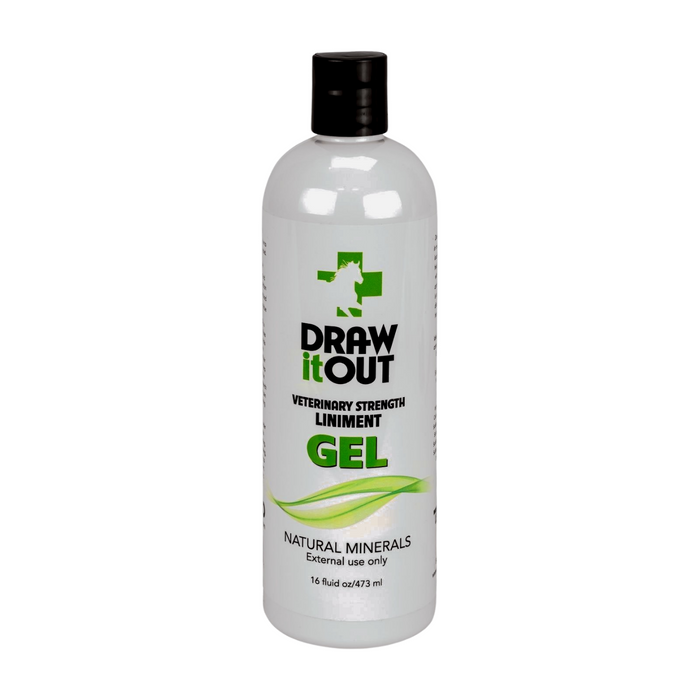
Stay-Put Gel
The everyday liniment gel format riders reach for when they want targeted, no-mess application.
View product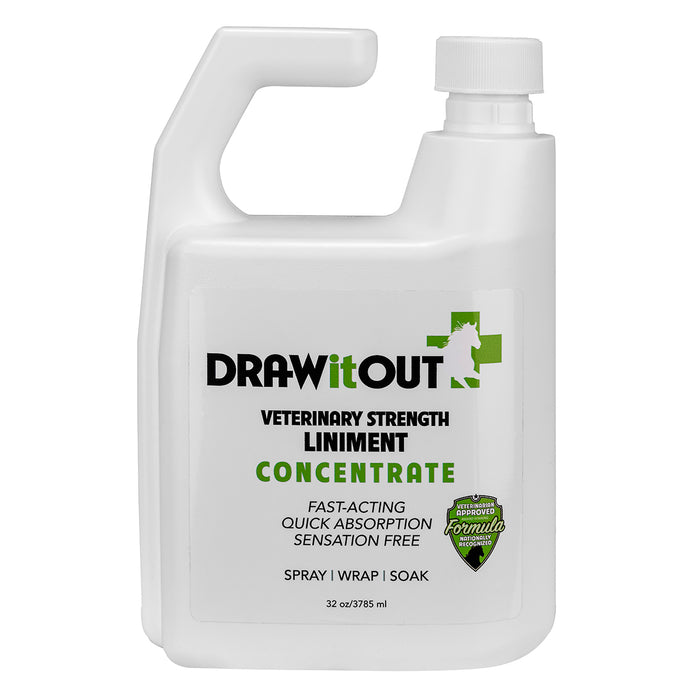
Mix Your Way
A flexible concentrate for riders who want to mix their own routine around workload and barn needs.
View product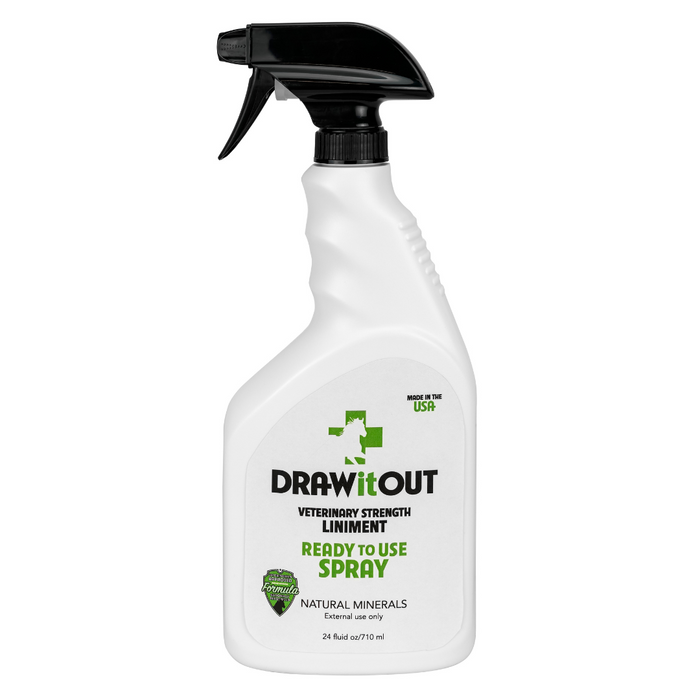
Ready To Use
A ready-to-use spray format for quick application after work, travel, turnout, or daily care.
View product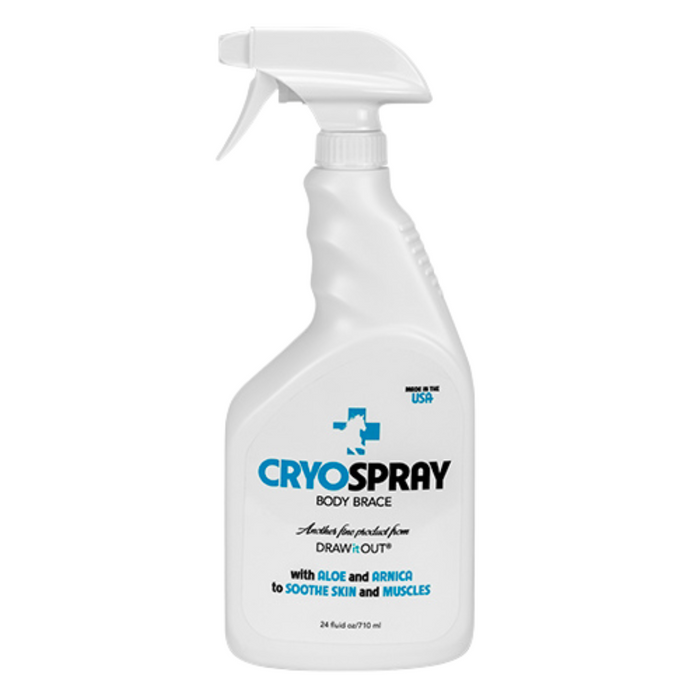
Cooling Brace
A cooling body brace spray for riders who want a fast, practical option after hard work or hot days.
View productFormat matters. Gel, concentrate, ready-to-use spray, and cooling spray each solve a different barn problem. Pick the one your routine will actually use.
!