May 21, 2026
Horse Braces in the Bridle? What Real Riders Should Check First
A horse that braces in the bridle may be telling you something before it becomes a bigger training issue. Here is what real riders should...

Real Rider Resource
The cheapest bucket is not always the cheapest program. Electrolytes should be judged by usable servings, label clarity, sugar load, consistency, and whether the horse will actually eat them.
Horse owners are used to comparing price tags. That is not the same as comparing value.
A $39 bucket can be expensive if the serving size is tiny, the label is weak, the horse refuses it, or half of it gets wasted. A more expensive bucket can be the better buy when the serving count, formula, and feeding routine actually make sense.
That is why cost per serving matters. It cuts through the shelf noise.
Do not buy electrolytes by bucket price alone. Buy by useful serving, formula fit, and whether the horse will consume it consistently.
Sticker price only tells you what the container costs. Cost per serving tells you what the routine costs.
That matters because electrolytes are not a decorative supplement. They are part of a real management program during heat, hauling, heavy sweat, training, competition, recovery, and seasonal workload changes. If the math is wrong, the routine usually falls apart.
You do not need a finance degree. You need two numbers:
Then divide:
Container price ÷ usable servings = real cost per serving
If a $60 bucket gives you 240 usable servings, the cost is $0.25 per serving. If a $35 bucket gives you 50 usable servings, the cost is $0.70 per serving. The cheaper bucket just became the expensive one.
The serving math is only part of the decision. The label still matters.
If the label makes feeding vague, your real cost becomes harder to control. Clear directions make routines easier to repeat.
Look at the useful electrolyte support: sodium, potassium, magnesium, calcium, and how the product fits the horse’s sweat, workload, weather, and management needs.
Some horses and programs need to be more careful about added sugar. Always read the label instead of assuming every electrolyte formula is built the same way.
The best-looking math means nothing if the horse refuses the feed. Waste is part of cost.
Electrolyte routines are commonly considered during hot weather, heavy sweat, hauling, intense training, competition, long trail days, recovery periods, and weather changes that affect water intake.
That does not mean every horse needs the same program. It means riders should stop treating electrolytes like a random summer scoop and start treating them like a managed routine.
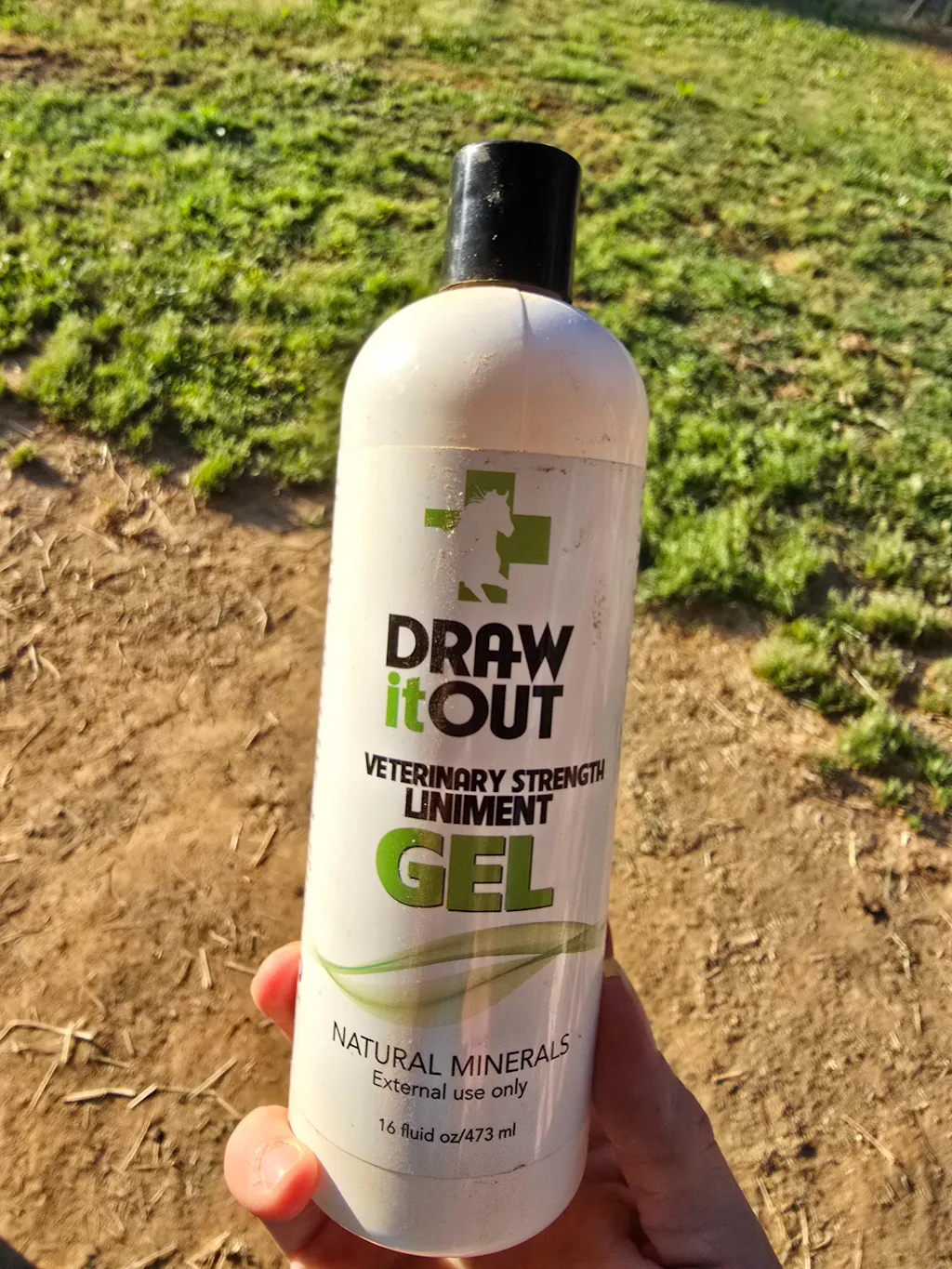
Draw It Out® routine support
Hydro-Lyte® with GastroCell® was built for riders who care about serving math, sugar content, and practical feeding. It belongs in the conversation when a rider wants a cleaner way to think about hydration support without guessing from the cheapest bucket on the shelf.
The right electrolyte is not the cheapest bucket. It is the one with clear math, clear use, useful formulation, and a routine the horse and rider can actually follow.
Educational only. Work with your veterinarian or equine nutrition professional for horses with medical conditions, unusual sweating patterns, dehydration concerns, metabolic concerns, or specific dietary needs.
Good hydration routines are quiet. They prevent issues riders never realize they avoided.
A horse that braces in the bridle may be telling you something before it becomes a bigger training issue. Here is what real riders should...

A Real Rider Resource guide for checking rider timing, footing, tack, fatigue, balance, and recovery clues when a horse loses rhythm at t...

A practical Real Rider Resource guide for horses that rush after upward or downward transitions. Learn what to notice first, what to chec...
Want a smarter way to handle soreness, heat, swelling, and post-ride leg care? Visit our Performance Recovery Hub for clear routines and product guidance.
Visit the Recovery Hub!