

Draw It Out® 16oz High Potency Liniment Gel
Sensation free post work care that keeps recovery calm so coats lay nicer and routines stay simple.
Shop the liniment gel
By Jon Conklin • Updated • 6 to 8 min read
A chestnut horse is a red based coat with no black points. That can mean anything from light copper to deep liver, with manes and tails that match or go flaxen. This guide breaks down the shades, the genetics in plain terms, and the practical grooming routine that keeps chestnuts looking rich instead of sun fried.
Chestnut is a base coat color, not a breed. It means the coat is red based across the body, with mane and tail that usually stay in the red to brown family. The key practical marker is the absence of black points, which helps separate chestnut from bay in day to day barn talk.
A lot of the difference is vocabulary. Many registries treat sorrel and chestnut as the same red base category. In western circles, “sorrel” is often used for the brighter copper look, while “chestnut” is used as the broader label that can include darker reds like liver.
If the horse reads bright red in the sun, people tend to say sorrel. If the horse reads deeper red or dark chocolate, people tend to say chestnut, especially liver chestnut.
You can see the same horse called sorrel in one place and chestnut in another. The base is still red. Shade and tradition do the rest.
Two chestnuts can look completely different and still be chestnut. Sun exposure, season, and grooming habits can swing what the color looks like from month to month.
Flaxen describes a lighter, sometimes blonde mane and tail on a red body. It can be influenced by genetics in certain lines, and it can also be made more obvious by sun, wear, and routine. The practical takeaway is that flaxen hair shows grime and urine staining faster, so the care plan has to be more consistent.
Rinse sweat promptly and avoid harsh detergents that strip oils. Healthy skin and a settled coat make chestnut look deeper and more even.
Spot clean manure and grass fast. The longer it sits, the more it sets. Consistent curry and brush beats panic cleaning the night before.
Clean hair and calm skin make the best shine. Aim for tidy and even, not slick and sprayed.
Keep the tail out of wet bedding, brush from the ends up, and do small cleanups often. Flaxen needs repetition more than product.
Sensation free post work care that keeps recovery calm so coats lay nicer and routines stay simple.
Shop the liniment gelDaily use cream for rub prone zones when you want it to stay put and not leave a mess.
Explore Rapid ReliefSkin support that stays where you put it, useful when clean legs matter in the picture.
Learn about SilverHoofNote: Follow label directions. Avoid applying topical products near eyes. Check your association rules when needed.
Tell us your discipline and what keeps bleaching or staining. Reach out here and we will keep it simple and show safe.
A chestnut horse has a red based coat with no black points. The coat can range from light copper to very dark liver, and the mane and tail can match the body or show a flaxen variation.
Most of the difference is terminology. Many registries treat both as the same red base coat. “Sorrel” is commonly used in western circles for brighter reds, while “chestnut” is often used as the broader label that includes darker shades like liver.
Liver chestnut is a very dark shade of chestnut that can look chocolate brown and may read almost black in low light. It is still a red base coat, just a darker expression.
Flaxen describes lighter mane and tail hair on a red body. It can be influenced by genetics in certain lines, and it can be made more noticeable by sun exposure and wear. The practical point is flaxen hair shows grime faster, so it rewards steady tail care.
Start Here
This article gives you the background. If you are ready to put the idea into a real horse care routine, these are the next three places most riders should go.
Simple rule: read the article for context, use the Solution Finder for direction, then build the routine around the product format your horse will actually use consistently.
Real Barn Proof
Real riders. Real horses. Real routines. These clips rotate automatically so the proof stays fresh without weighing the page down with a long feed.
Why this matters: good horse care should make sense outside the ad. These clips show the kind of everyday use that builds trust one barn at a time.
Further Reading
Horse care works better when the next step is clear. These related reads help connect today’s topic to better daily decisions in the barn.

May 16, 2026
Boot rubs usually start quietly. Here is what to check before flattened hair becomes irritation.
Read article
May 15, 2026
A practical, claim-safe guide for riders who find a horse stocked up after stall time, hauling, or a quiet day. Learn what to check before rid...
Read article
May 14, 2026
Meet Payton Golding of Gold-N-Arrow Ranch, a barrel racer who uses Draw It Out® liniment gel as part of her after-run care routine for her hor...
Read articleStart with the principle, then build the habit. The right article should make the next barn decision easier, not more complicated.
Next Step
Simple care guides, practical product paths, and rider-trusted tools built for real horses and real routines.
Good care gets easier when the next step is obvious. Read the guide, match the routine, then choose the format that fits how your barn actually works.
Recovery Routine
Want a smarter way to think through post-ride care, heat, swelling, leg support, and daily recovery decisions? Start with the Performance Recovery Hub.
Better recovery starts with a repeatable routine. The hub gives riders a clearer path from workload to product format to aftercare timing.
Rider Favorites
Four core Draw It Out® staples riders keep close for daily recovery routines, wash rack use, targeted support, and quick barn-side care.
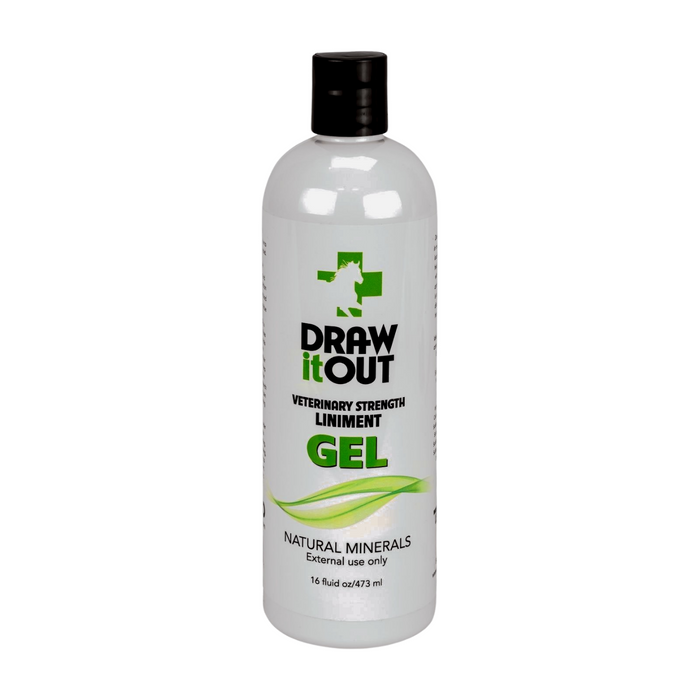
Stay-Put Gel
The everyday liniment gel format riders reach for when they want targeted, no-mess application.
View product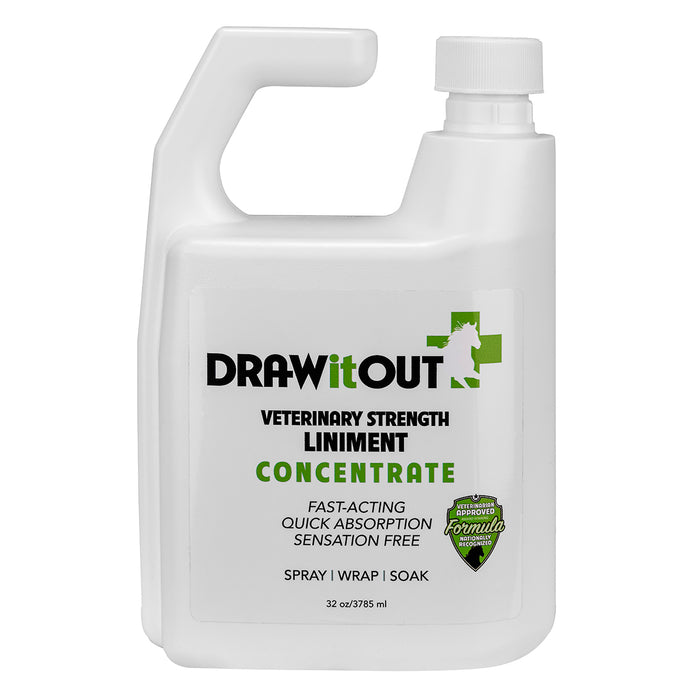
Mix Your Way
A flexible concentrate for riders who want to mix their own routine around workload and barn needs.
View product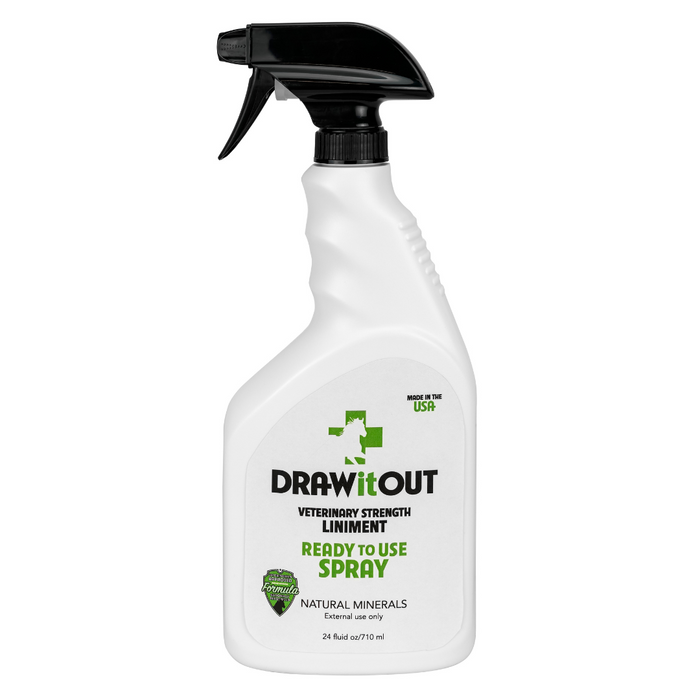
Ready To Use
A ready-to-use spray format for quick application after work, travel, turnout, or daily care.
View product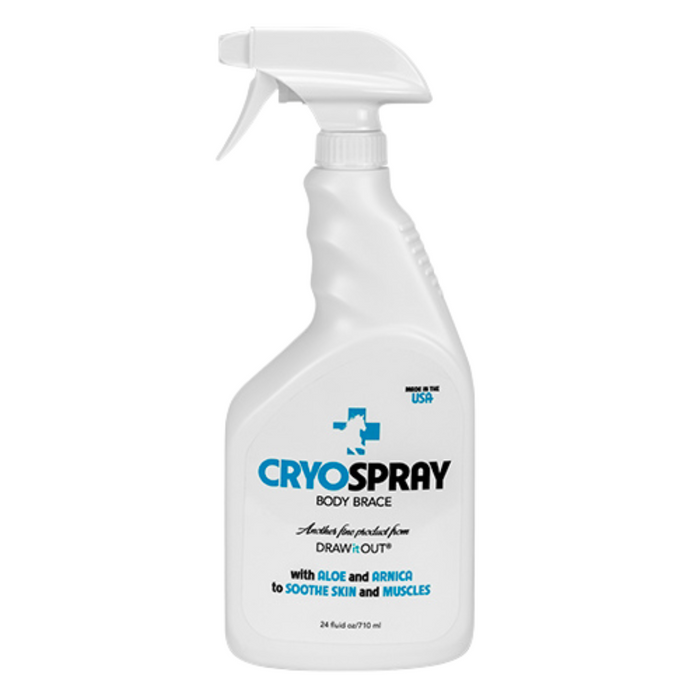
Cooling Brace
A cooling body brace spray for riders who want a fast, practical option after hard work or hot days.
View productFormat matters. Gel, concentrate, ready-to-use spray, and cooling spray each solve a different barn problem. Pick the one your routine will actually use.
!