Hydration and gut routine
Electrolytes and Gut Support for Horses: Why the Combo Matters
Heat, hauling, and schedule changes can affect sweat, water intake, appetite, and manure at the same time. That does not make one supplement a cure-all.
Quick answer: manage hydration and gut health as a whole-horse routine: clean water, forage, appropriate salt, suitable workload, cooling, gradual feed changes, and observation. Electrolytes or gut-support ingredients may fit an individualized plan, but they do not replace water, balanced nutrition, or veterinary care.
Current availability: Hydro-Lyte® production has resumed. Current inventory remains sold out while the next run is completed and received. Use the live product page to request a restock alert and confirm current availability.
Why riders often notice both systems at once
A long haul or hot show day can change water source, forage timing, stall time, stress, work, and sweat. Those variables overlap. A horse may drink differently, pass different manure, eat more slowly, or recover differently without one product being the entire answer.
Start by measuring what you can: water offered and consumed, feed eaten, manure frequency and consistency, temperature when indicated, workload, cooling time, and behavior. A written baseline makes a meaningful change easier to recognize.
The foundation before any supplement
Water
Provide continuous access to clean water. Offer familiar water during travel when practical and keep plain water available if an electrolyte product is used.
Forage and feed
Maintain forage and avoid abrupt ration changes. Review the full diet before adding overlapping minerals, salts, or gut-support ingredients.
Work and cooling
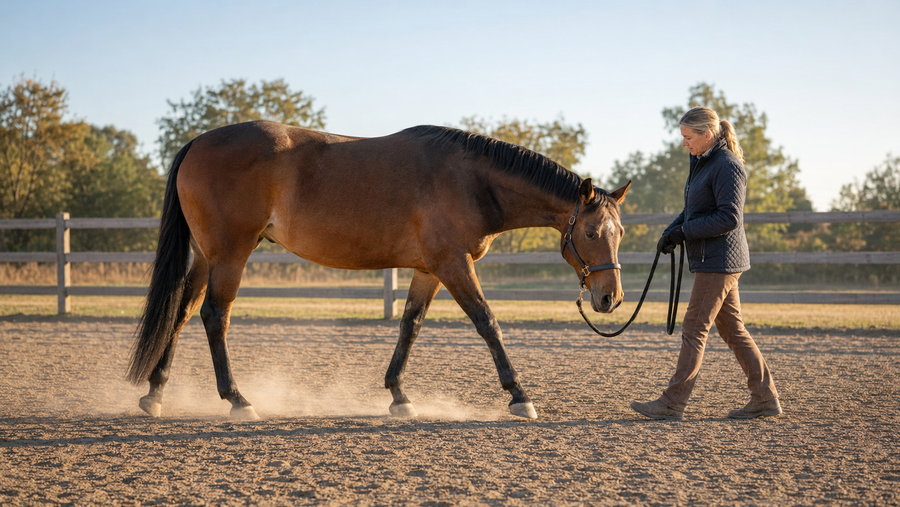
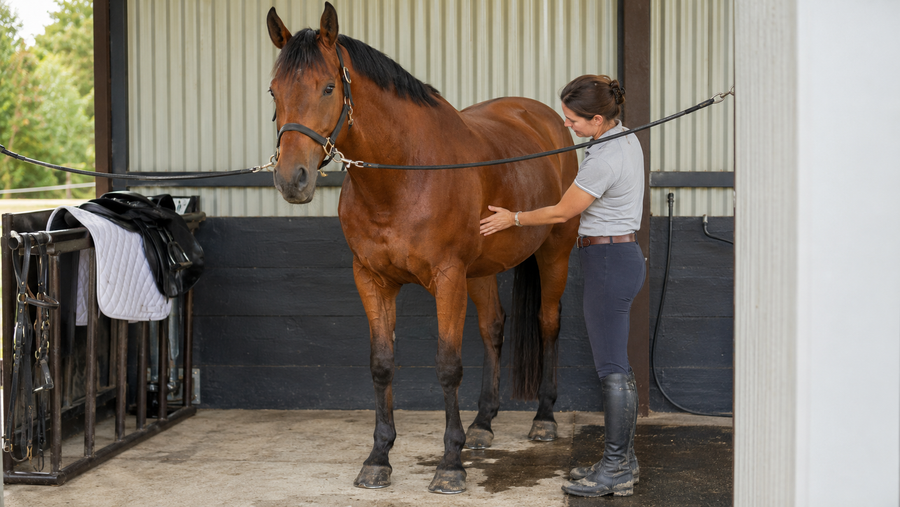
Match work to weather, fitness, and acclimation. Stop early, remove tack, use shade and airflow, cool actively, and watch recovery.
Observation
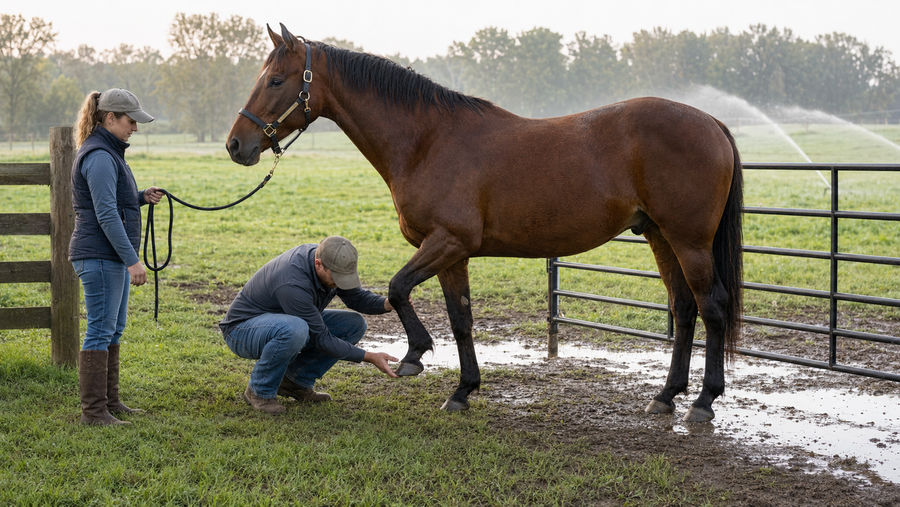
Track appetite, manure, water, attitude, temperature, sweat, and recovery. Do not normalize a horse that is progressively different.
Where Hydro-Lyte® fits conceptually
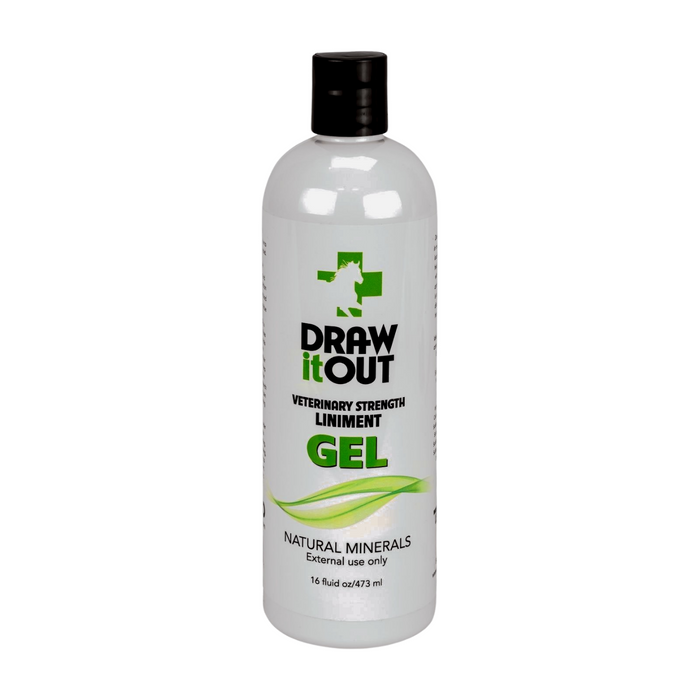
Hydro-Lyte® with GastroCell® is positioned in the electrolyte and gut-support routine lane. Production has resumed, but current inventory remains sold out while the next run is completed and received. Riders can use the Horse Electrolytes With Gut Support education page and speak with a veterinarian or equine nutrition professional about whether any product fits the horse's diet and workload.
Do not use an electrolyte to treat suspected dehydration, colic, heat illness, diarrhea, or a horse that is not drinking. Do not assume a gut-support ingredient prevents ulcers or other disease. Those are veterinary conversations.
Get veterinary help when
- The horse shows colic signs, depression, weakness, fever, off-feed behavior, or repeated refusal to drink.
- Manure is markedly reduced, absent, persistently loose, bloody, or very different from normal.
- There are severe dehydration concerns, heat illness signs, abnormal coordination, or failure to recover after work.
Supportive routines are for ordinary care. Clinical signs need assessment, not a delayed product order.
A travel-day record worth keeping
Write down departure and arrival times, temperatures, water offered and consumed, feed eaten, manure, work, cooling, and next-morning behavior. The goal is not to create perfect numbers; it is to spot a departure from the horse's normal pattern and give a veterinarian better history if needed.
FAQ
Why consider electrolytes and gut support in the same routine?
Heat, travel, sweat, feed timing, water changes, and stress can affect hydration and digestive routine together. The answer still begins with water, forage, management, and observation.
Does an electrolyte replace water?
No. Clean water remains essential, and plain water should remain available when electrolytes are used.
What is the current Hydro-Lyte® availability?
Hydro-Lyte® production has resumed, but current inventory remains sold out while the next run is completed and received. Use the live product page to request a restock alert.
General education only. Follow labels and consult your veterinarian or equine nutrition professional for individual needs. Author: Jon Conklin.