


Daily recovery
Liniment Gels
Explore the Draw It Out® liniment gel lineup for everyday use, post-work routines, and targeted recovery support.
Shop liniment gelsFree U.S. shipping at $50+
No code needed.
Shipping details
Irrigation water can turn a quiet pastern issue into a loud one. Damp grass, mud, manure, sand, and slow drying all matter when a horse is prone to scratches or pastern irritation.
Morning dew counts as wet turnout too. If a pasture stays damp after irrigation or overnight, delay turnout until the grass surface dries when practical. Give white socks and heavily feathered pasterns an extra check because moisture can stay hidden against the skin longer.
If scratches flare after irrigation, check pasterns, heel bulbs, fetlocks, mud buildup, hair density, scabs, swelling, heat, lameness, and how long the legs stay wet. Keep the area clean and dry when possible. Call your veterinarian for painful, swollen, hot, bleeding, spreading, oozing, or persistent pastern skin problems.
Moisture softens skin. Mud and grit create friction. Long hair can trap water. If the horse stands in wet pasture or walks through muddy gates daily, the lower legs may never get a clean dry window.
Brush dry dirt away before adding water. If you rinse, dry thoroughly. Avoid picking scabs aggressively. Change turnout timing or footing when possible. If the area is painful or spreading, call the vet instead of experimenting.
Use the Scratches in Horses: Pastern Care Checklist for the full clean-dry-protect routine. Use the Horse Health Library for broader skin-care education and What Does My Horse Need? when deciding whether the issue points toward skin, hoof, or broader support.
Yes. Moisture, mud, grit, and slow drying can aggravate pastern skin.
Yes. Damp grass can keep lower-leg skin wet even without obvious mud. When practical, wait for the grass surface to dry and check white or heavily feathered pasterns closely.
Do not aggressively scrub painful skin. Clean and dry carefully and call your veterinarian when the area is painful, swollen, oozing, or spreading.
When pastern skin gets loud, the routine needs less guessing and more clean, dry consistency.
This article gives you the background. If you are ready to put the idea into a real horse care routine, these are the next places most riders should go.
Explore the Draw It Out® liniment gel lineup for everyday use, post-work routines, and targeted recovery support.
Shop liniment gelsMatch your horse’s workload, age, routine, and care goals to the Draw It Out® products that make the most sense.
Use the finderLearn how riders support soundness, comfort, and consistency before little issues become bigger problems.
Read the guideReal Barn Proof
Real riders. Real horses. Real routines. These clips rotate automatically so the proof stays fresh without weighing the page down with a long feed.
Why this matters: good horse care should make sense outside the ad. These clips show the kind of everyday use that builds trust one barn at a time.
Further Reading
Horse care works better when the next step is clear. These related reads help connect today’s topic to better daily decisions in the barn.
Jul 22, 2026
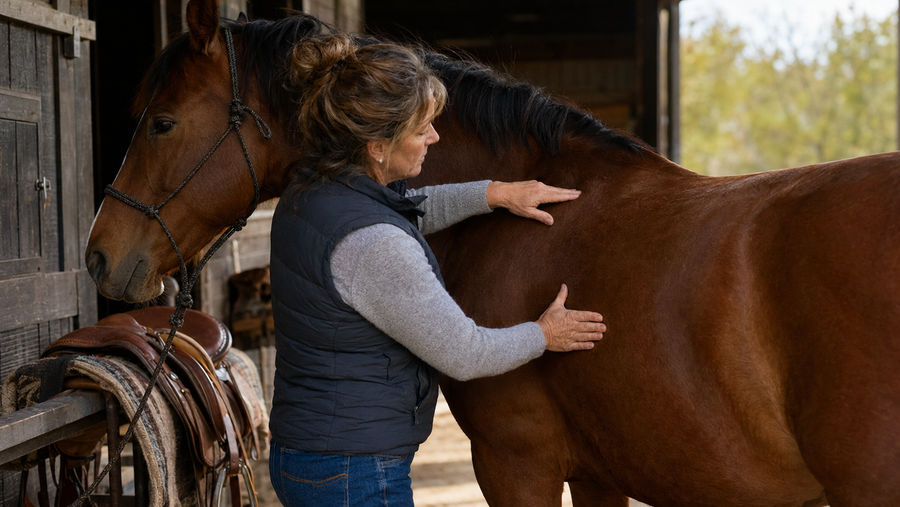
A practical horse health guide for wither soreness after long rides: saddle clearance, pad pressure, sweat marks, swelling, and when to call f...
Read article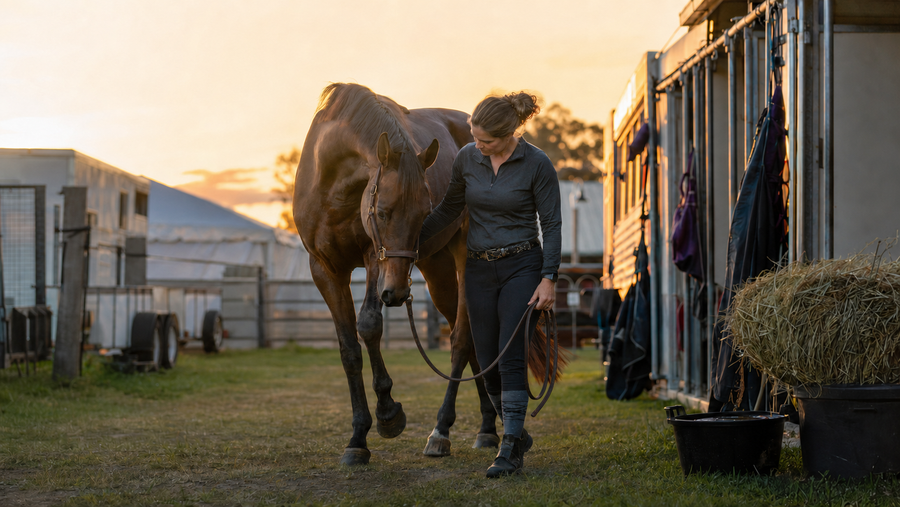
Jul 21, 2026
A practical between-days horse recovery plan for cooling, hydration, legs, feet, back, appetite, movement, and decisions before the next class.
Read article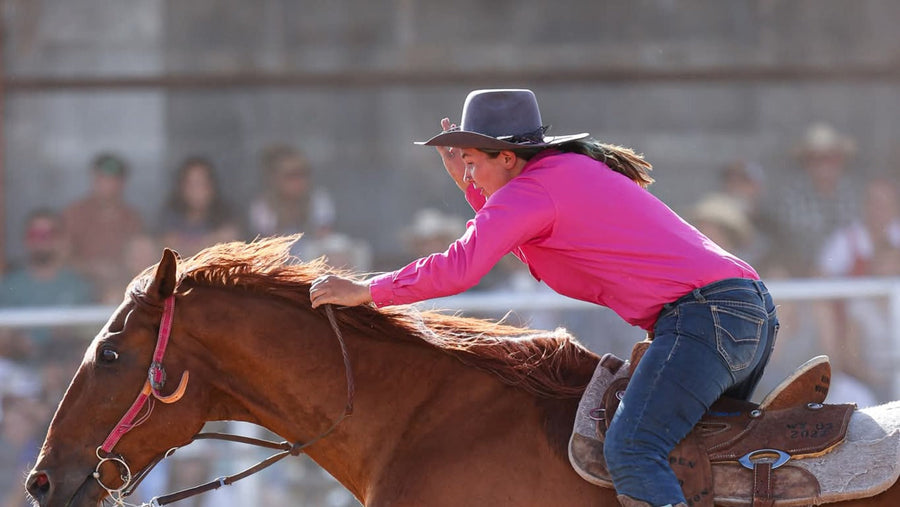
Jul 21, 2026
Meet Kaitlyn Schmuck of Misfit Rodeo, a Wyoming rodeo, trail and day-work horsewoman who uses EQUINE | DEFENDER™ K Tape with her barrel horse.
Read articleStart with the principle, then build the habit. The right article should make the next barn decision easier, not more complicated.
Next Step
Simple care guides, practical product paths, and rider-trusted tools built for real horses and real routines.
Good care gets easier when the next step is obvious. Read the guide, match the routine, then choose the format that fits how your barn actually works.
Recovery Routine
Want a smarter way to think through post-ride care, heat, swelling, leg support, and daily recovery decisions? Start with the Performance Recovery Hub.
Better recovery starts with a repeatable routine. The hub gives riders a clearer path from workload to product format to aftercare timing.
Rider Favorites
Four core Draw It Out® staples riders keep close for daily recovery routines, wash rack use, targeted support, and quick barn-side care.
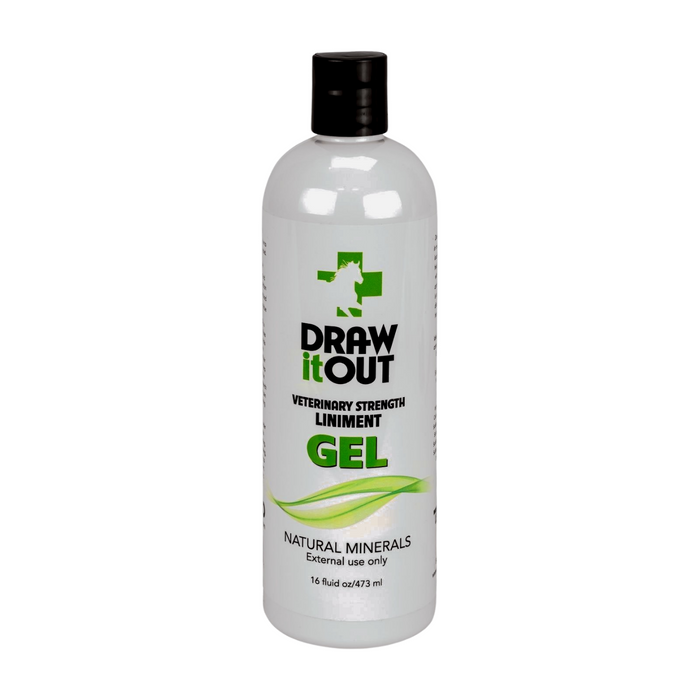
Stay-Put Gel
The everyday liniment gel format riders reach for when they want targeted, no-mess application.
View product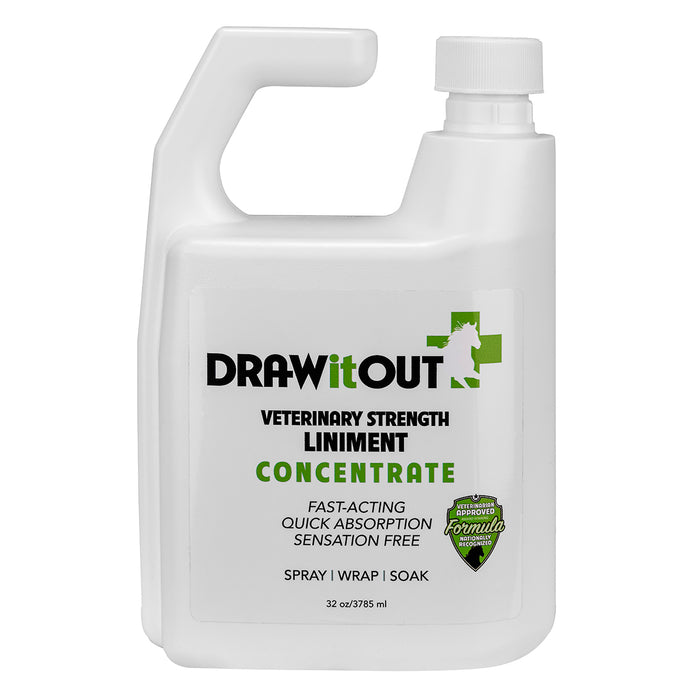
Mix Your Way
A flexible concentrate for riders who want to mix their own routine around workload and barn needs.
View product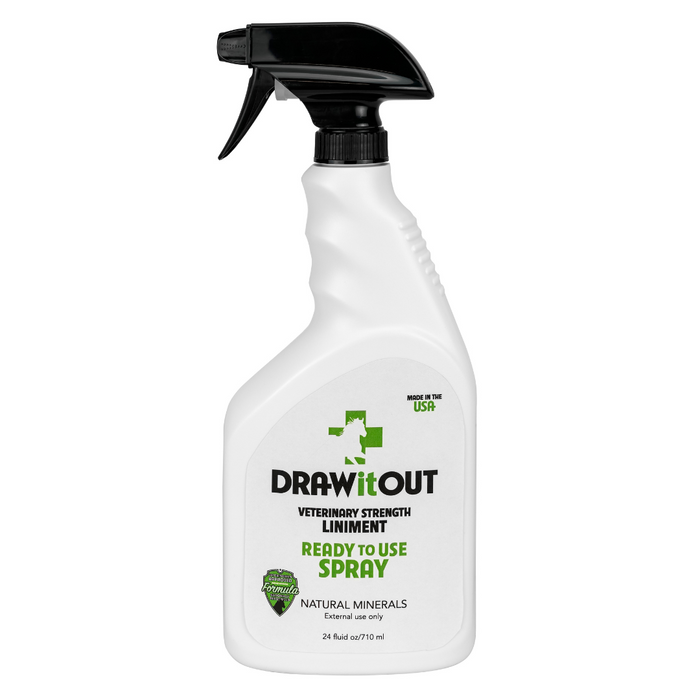
Ready To Use
A ready-to-use spray format for quick application after work, travel, turnout, or daily care.
View product
Cooling Brace
A cooling body brace spray for riders who want a fast, practical option after hard work or hot days.
View productFormat matters. Gel, concentrate, ready-to-use spray, and cooling spray each solve a different barn problem. Pick the one your routine will actually use.
!