


Daily recovery
Liniment Gels
Explore the Draw It Out® liniment gel lineup for everyday use, post-work routines, and targeted recovery support.
Shop liniment gelsFree U.S. shipping at $50+
No code needed.
Shipping details
Lower hind legs can look fuller after hauling and standing in a show stall. Limited movement, heat, workload, hydration changes, bedding, and bandaging can all affect what you see. The important job is to separate soft, even filling from swelling that signals pain, injury, infection, or another problem.
If a horse’s hind legs fill after standing at a show, compare both legs for symmetry, heat, pain, wounds, discharge, wrap marks, digital pulses, and movement. Hand walk only if the horse is comfortable and it is safe. Call a veterinarian for one-sided or rapidly increasing swelling, heat, pain, lameness, fever, a wound near a joint or tendon, or filling that does not improve as expected.
Stand the horse square on level ground and look from behind and from the side. Are both hind legs similarly full, or is one clearly different? Soft, even filling in both lower hind legs after long stall time is a different pattern from a single hot, painful leg.
Use clean hands to compare the same structures on each side. Note whether the swelling pits under gentle pressure, where it begins and ends, and whether the horse resents touch. Do not repeatedly squeeze a painful area.
If the horse is sound and comfortable, a short period of calm hand walking may help you see whether soft, even filling changes with movement. Recheck the legs in the same place and light. Improvement can be useful information, but it does not overrule heat, pain, lameness, fever, or a wound.
Do not force exercise to “walk it out” when the horse is lame, painful, weak, or otherwise abnormal. Call the veterinarian and follow instructions.
Record haul time, stall time, weather, water intake, work, footing, and when the filling appeared. Note whether shipping boots, standing wraps, or exercise boots were used. Uneven or overly tight bandaging can create pressure problems, so only use wraps you can apply correctly and consistently.
A label-directed external liniment may be part of a familiar grooming and recovery routine for an otherwise appropriate horse. It should not be used to hide pain, delay evaluation, or make a swollen leg “ready” for another class. Review the horse liniment collection or visit What Does My Horse Need? for general product guidance.
No. Symmetry and improvement with movement can be reassuring observations, but persistent filling or any accompanying heat, pain, fever, wounds, or lameness deserves veterinary advice.
Only use bandages when you know how to apply them correctly and the plan is appropriate for the horse. Ask a veterinarian when swelling is new or unexplained.
Improvement is one data point. The full decision should include heat, pain, wounds, soundness, the whole horse, and professional guidance when anything is uncertain.
A class can be changed. Protect the horse by making the decision from the current evidence.
This article gives you the background. If you are ready to put the idea into a real horse care routine, these are the next places most riders should go.
Explore the Draw It Out® liniment gel lineup for everyday use, post-work routines, and targeted recovery support.
Shop liniment gelsMatch your horse’s workload, age, routine, and care goals to the Draw It Out® products that make the most sense.
Use the finderLearn how riders support soundness, comfort, and consistency before little issues become bigger problems.
Read the guideReal Barn Proof
Real riders. Real horses. Real routines. These clips rotate automatically so the proof stays fresh without weighing the page down with a long feed.
Why this matters: good horse care should make sense outside the ad. These clips show the kind of everyday use that builds trust one barn at a time.
Further Reading
Horse care works better when the next step is clear. These related reads help connect today’s topic to better daily decisions in the barn.
Jul 20, 2026
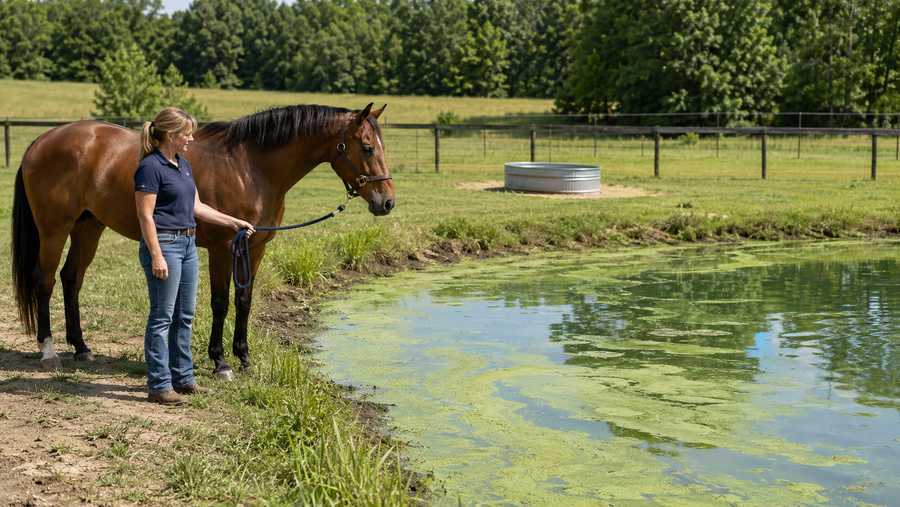
A practical horse-owner guide to blue-green algae and harmful algal blooms in ponds, lakes, troughs, and stock tanks, including warning signs,...
Read article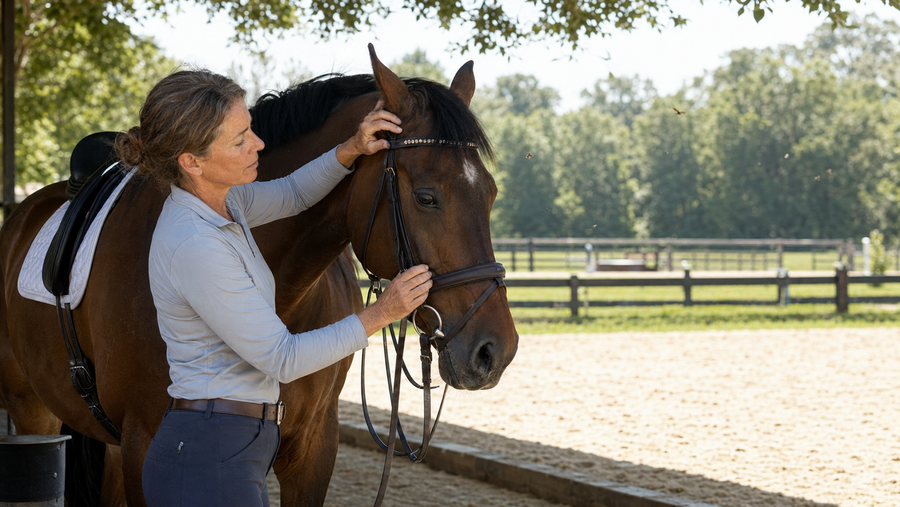
Jul 20, 2026
A practical horse health guide for head tossing in heat, including flies around the ears, eye irritation, bit and tack checks, sweat, pain, an...
Read article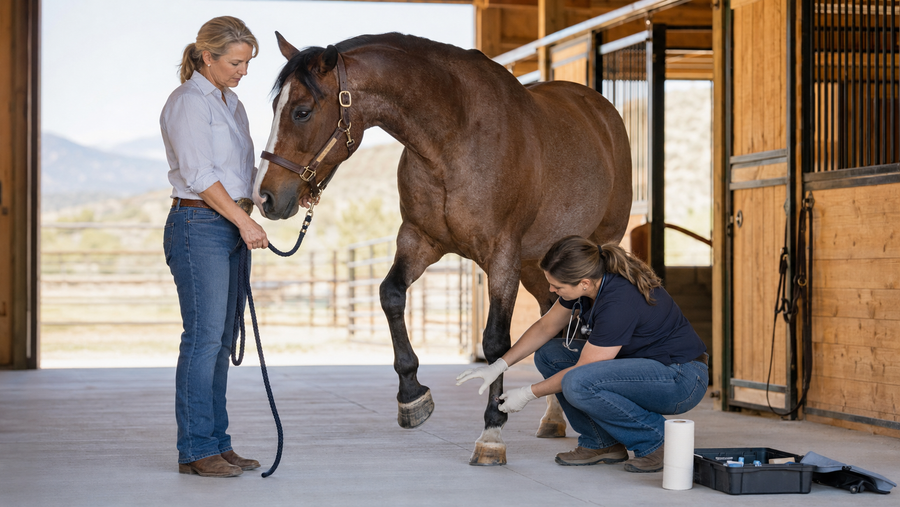
Jul 20, 2026
Current New World screwworm guidance for horse owners: what to inspect, when to call a veterinarian, how to report suspected cases, and how to...
Read articleStart with the principle, then build the habit. The right article should make the next barn decision easier, not more complicated.
Next Step
Simple care guides, practical product paths, and rider-trusted tools built for real horses and real routines.
Good care gets easier when the next step is obvious. Read the guide, match the routine, then choose the format that fits how your barn actually works.
Recovery Routine
Want a smarter way to think through post-ride care, heat, swelling, leg support, and daily recovery decisions? Start with the Performance Recovery Hub.
Better recovery starts with a repeatable routine. The hub gives riders a clearer path from workload to product format to aftercare timing.
Rider Favorites
Four core Draw It Out® staples riders keep close for daily recovery routines, wash rack use, targeted support, and quick barn-side care.
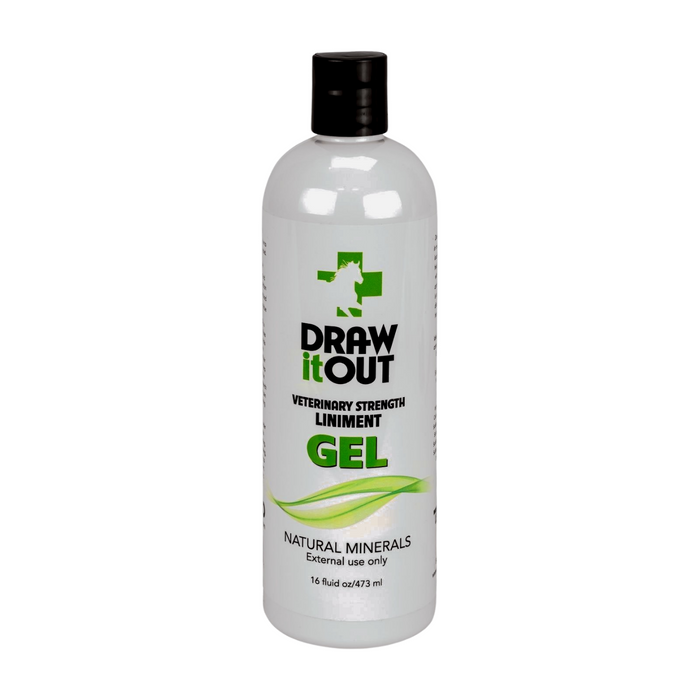
Stay-Put Gel
The everyday liniment gel format riders reach for when they want targeted, no-mess application.
View product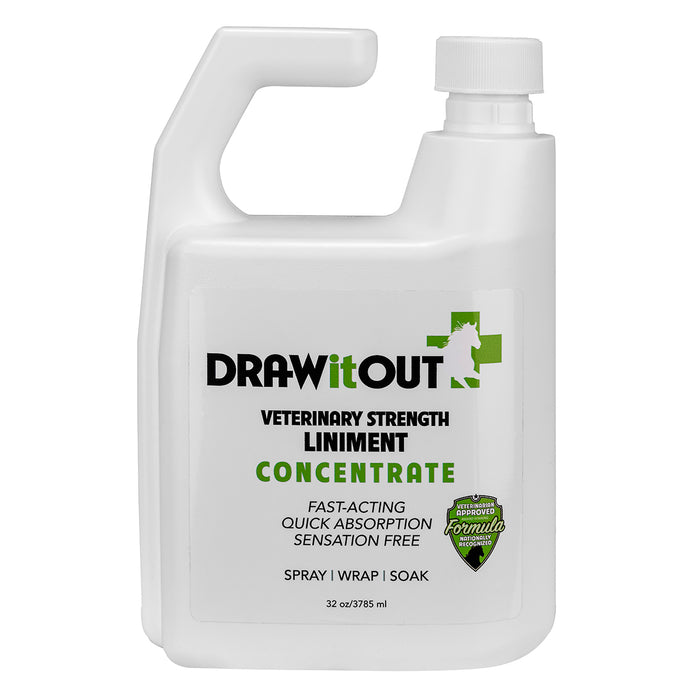
Mix Your Way
A flexible concentrate for riders who want to mix their own routine around workload and barn needs.
View product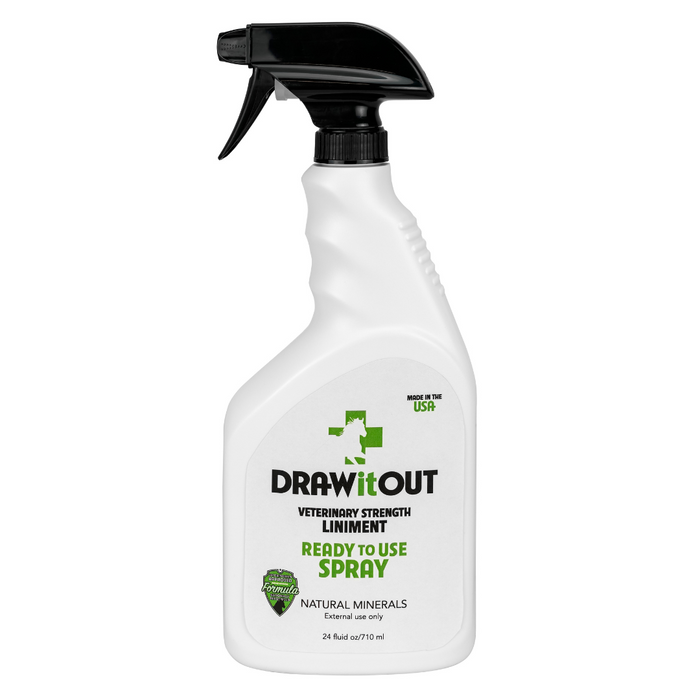
Ready To Use
A ready-to-use spray format for quick application after work, travel, turnout, or daily care.
View product
Cooling Brace
A cooling body brace spray for riders who want a fast, practical option after hard work or hot days.
View productFormat matters. Gel, concentrate, ready-to-use spray, and cooling spray each solve a different barn problem. Pick the one your routine will actually use.
!