Dog First-Aid Kit vs After-Activity Care Kit: What Belongs in Each?
Separate emergency supplies from normal after-activity care for hunting, barn, trail, and working dogs, then know when the veterinarian comes first.
Free U.S. shipping at $50+
No code needed.
Shipping details
Summer events leave a coat feeling weird. Dust, sweat, spilled drinks, sunscreen from human hands, sticky kids, picnic blankets, camp residue, and damp towels can make a dog’s coat feel tacky even when the dog is not truly filthy.
If your dog’s coat is sticky after summer events, check the skin under the sticky areas, paws, belly, collar line, odor, and whether a full bath is actually needed. Brush first, wipe or rinse targeted areas, dry well, and call your veterinarian for painful, open, hot, spreading, or oozing skin.
The answer is not always a full bath. Sometimes the dog needs a wipe-down and dry. Sometimes they need a real bath. Sometimes the sticky coat is hiding skin irritation. Start by looking before adding shampoo.
Brush out dry debris first. Wipe sticky spots with a damp cloth. Rinse if needed. Bathe only when the coat truly needs it. Dry the belly, armpits, behind ears, and collar area before the dog goes to bed or back into the crate.
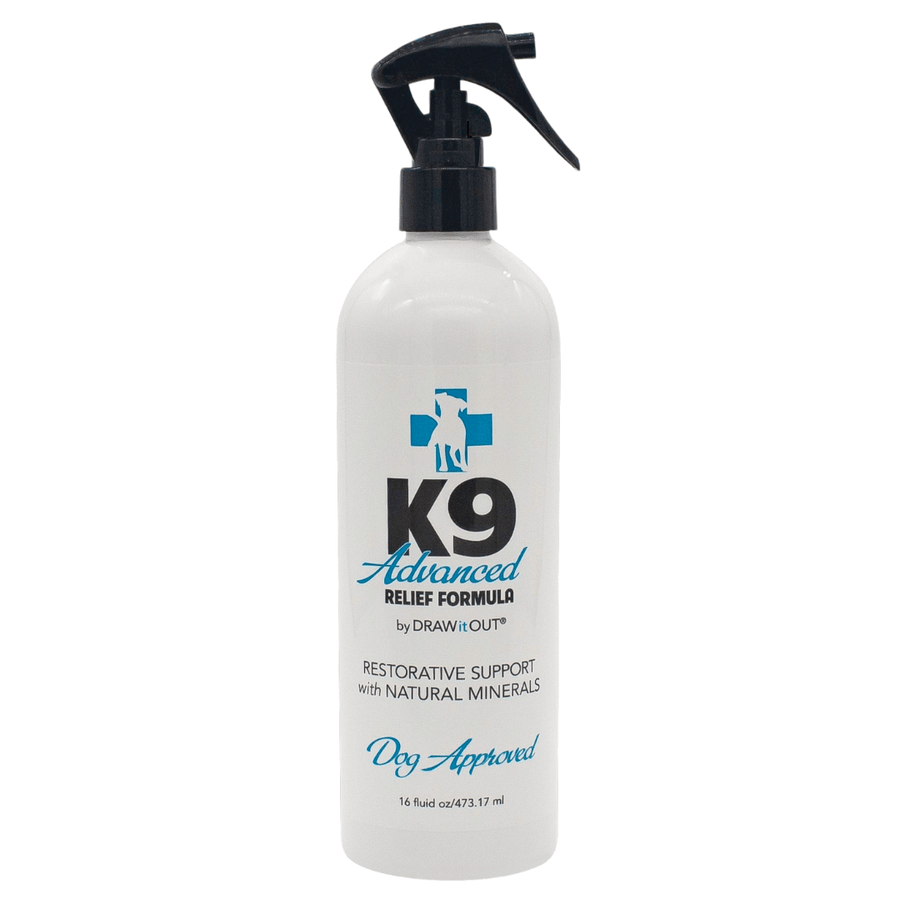
For bath days, Draw It Out® Soothing Lavender Dog Shampoo is the active K9 shampoo option. For skin-and-coat support after dirtier days, K9 TheraMud™ may fit the routine.
Call your veterinarian if skin is painful, hot, open, spreading, oozing, foul-smelling, or your dog is chewing hard at one spot. Sticky coat is routine. Angry skin is not.
No. Check first. Wipe, rinse, or bathe based on what the coat and skin actually need.
Food, drinks, sweat, sunscreen from hands, damp blankets, and dust can all leave residue.
Belly, armpits, paws, behind ears, and collar line.
Real dogs get sticky. Good owners clean what matters, protect the skin, and keep the routine simple.
Separate emergency supplies from normal after-activity care for hunting, barn, trail, and working dogs, then know when the veterinarian comes first.
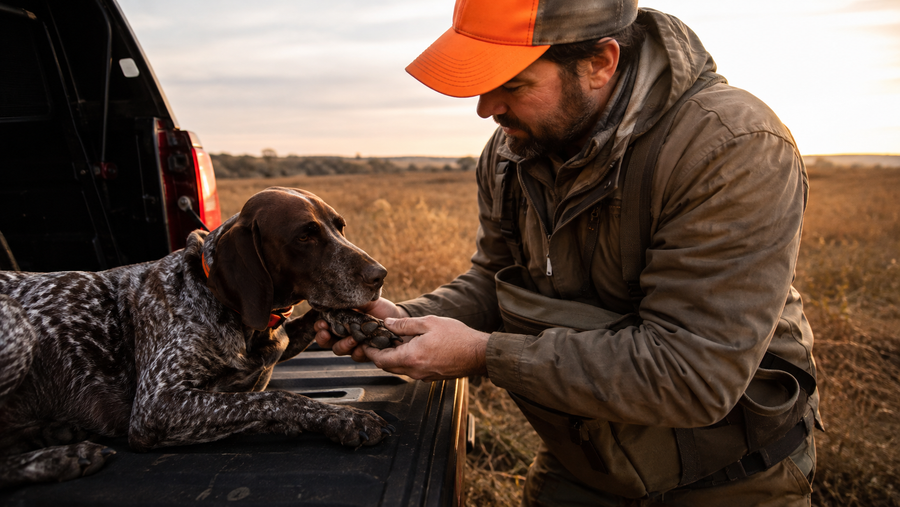
Use this three-minute tailgate paw check after every hunt to catch worn pads, burrs, torn nails, swelling, and gait changes before the next field.
A paw-to-back check for hunting dogs after the first hard weekend, including next-morning decisions, conditioning fixes, veterinary red flags, and dog-specific care.
!