Jun 03, 2026
Horse Gets Heavy in Your Hands Late in the Ride
A Real Rider Resource guide for noticing when a horse gets heavy in the hands late in the ride, including fatigue, balance, rider timing,...

Real Rider Resource
A rider-awareness guide for checking mouth comfort, tack, body tension, fatigue, and rider timing before blaming attitude.
Short answer: A horse that braces in the bridle is not automatically being bad. Bracing can come from discomfort, confusion, fatigue, tack fit, rider timing, balance problems, or body tension.
Bracing is information. Real riders slow down, check the pattern, and fix the root before escalating the hand.
If bracing starts suddenly, look at mouth comfort. Head tossing, gaping, rooting, jaw tension, or uneven contact can point to a problem that needs a qualified professional to evaluate.
Do not make a bigger bit the first answer. First ask whether the horse understands the contact and whether the mouth, teeth, and bridle setup are comfortable.
The bridle is not separate from the body. A horse can brace in front because something through the neck, shoulder, back, ribcage, or hind end feels tight, tired, or uneven.
After work, check how the horse cools out, whether one side feels tighter, and whether the horse stays guarded after the tack comes off.
Sometimes a horse braces because the rider never gives the horse a place to soften.
Good hands are not weak hands. They are honest hands.
A tired horse often gets heavier in the bridle. Carrying itself correctly takes strength. If the horse starts soft and ends braced, look at conditioning, workload, footing, weather, and recovery.
When bracing may connect to body tension or post-work tightness, start with observation and a consistent care routine.
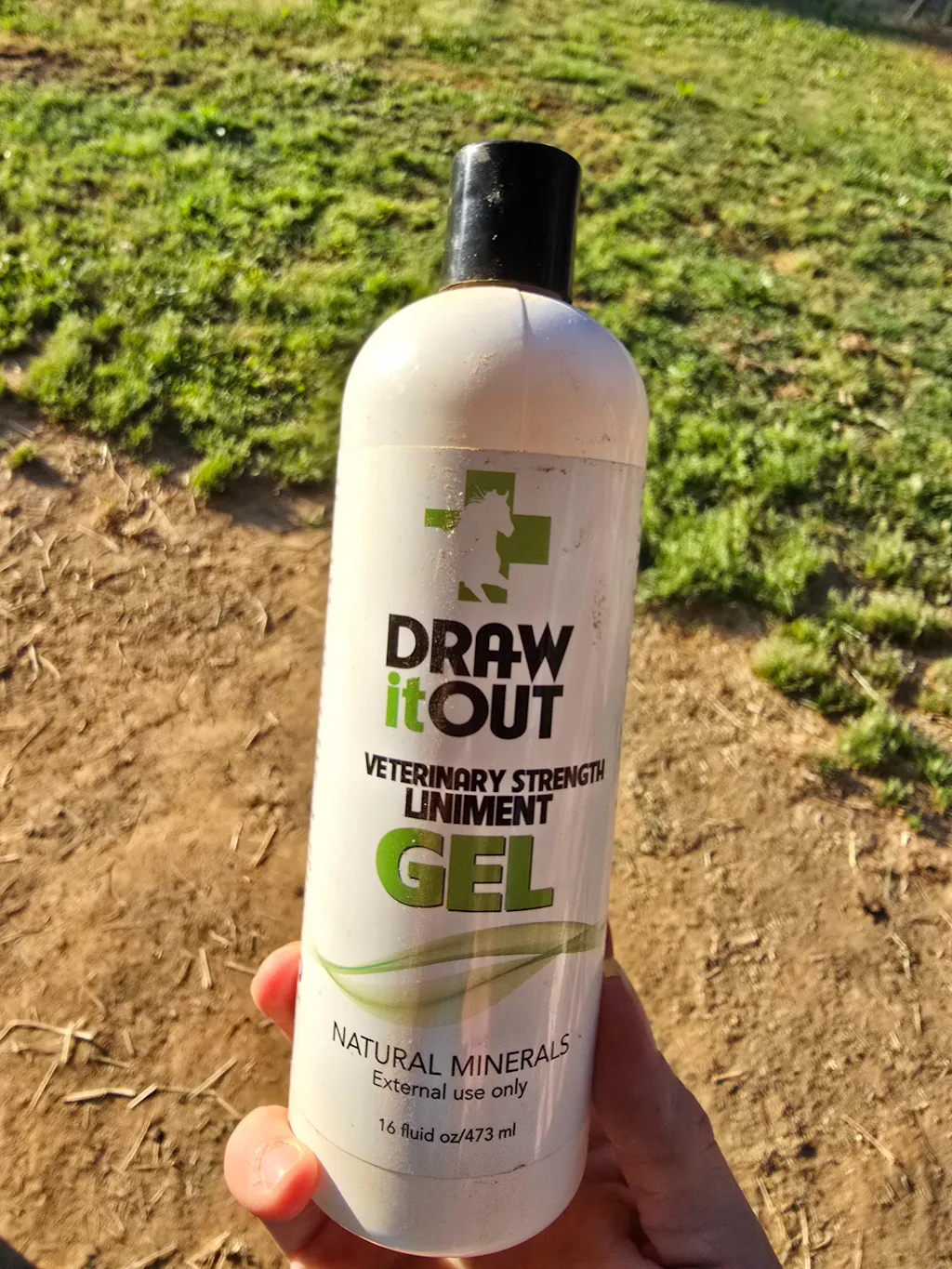
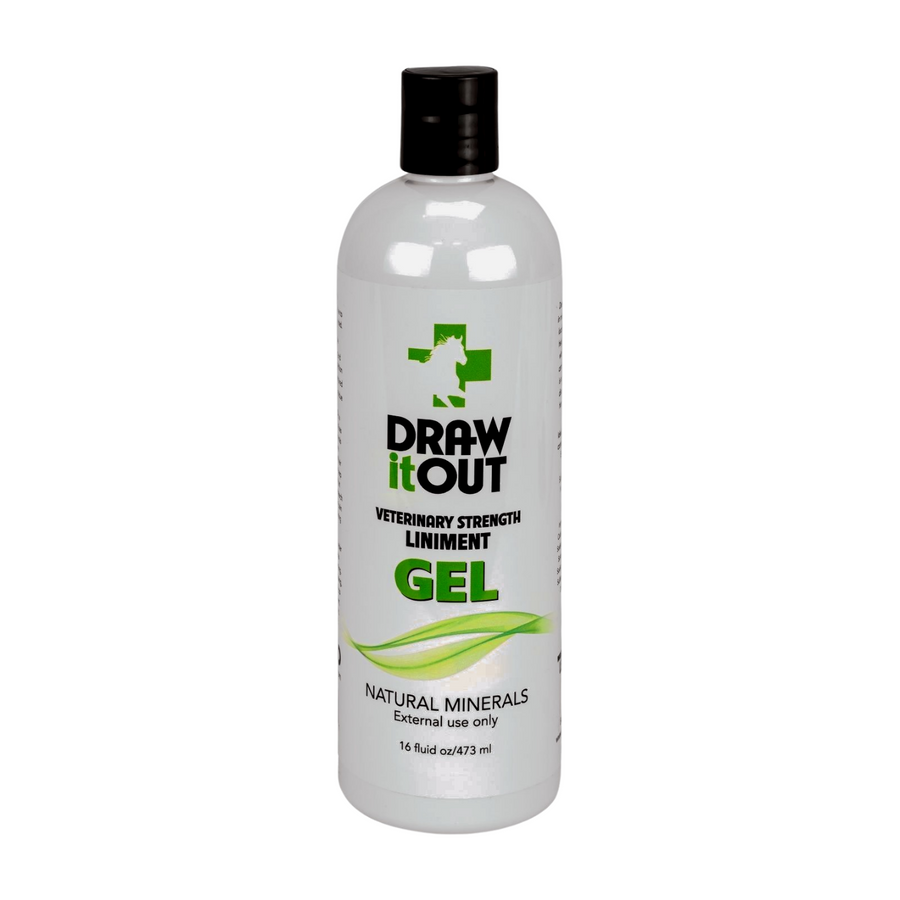
Draw It Out® 16oz Liniment Gel fits the everyday post-ride routine when riders want a stay-put liniment gel for clean, dry skin and practical body care.
For routing, use the Draw It Out® Solution Finder. For the routine-first philosophy, visit Prehabilitation. For broader product planning, browse Draw It Out® Equine Performance Bundles.
Bracing can come from mouth discomfort, tack fit, rider hands, fatigue, body tension, confusion, weakness, or training stress.
Yes. A horse that feels tight or tired through the body may lean, brace, or lock the neck instead of carrying itself softly.
Not first. Check mouth comfort, bridle fit, rider timing, saddle fit, body tension, and workload before assuming the bit is the only issue.
Get qualified help if the bracing is sudden, worsening, uneven, painful, paired with lameness, or creating safety concerns.
Where to go next: Use the Solution Finder, review Prehabilitation, and keep the post-ride check tied to a practical recovery system.
Rider awareness is not overthinking. It is noticing the small change before it becomes the big one.
A Real Rider Resource guide for noticing when a horse gets heavy in the hands late in the ride, including fatigue, balance, rider timing,...
A practical Real Rider Resource guide for tracking fatigue, recovery, workload changes, footing, heat, and conditioning when a horse need...
A Real Rider Resource guide for horses that lose try, get dull, or feel less willing under saddle. Check pressure, timing, tack, fatigue,...
Want a smarter way to handle soreness, heat, swelling, and post-ride leg care? Visit our Performance Recovery Hub for clear routines and product guidance.
Visit the Recovery Hub!