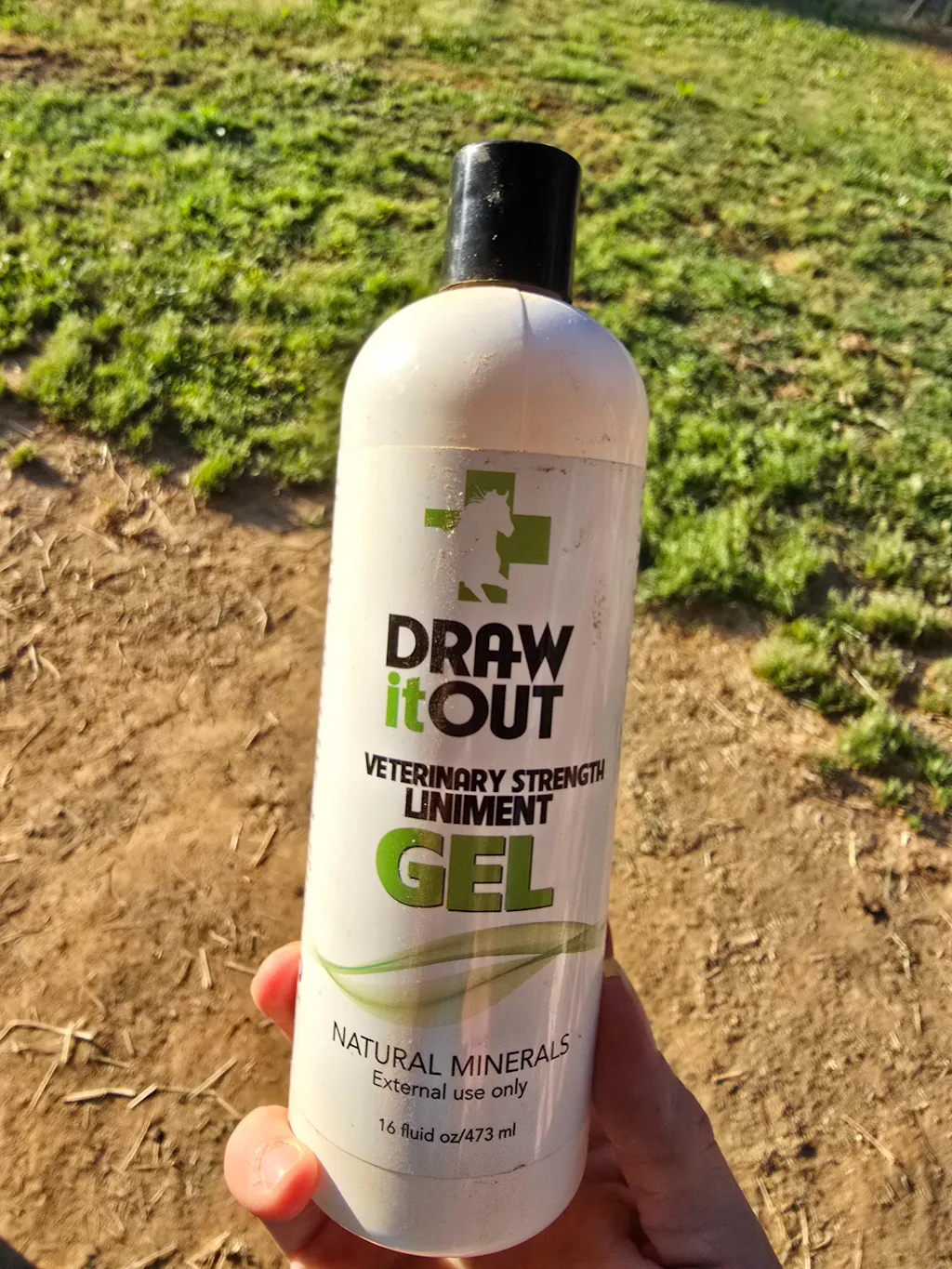
Daily recovery
Liniment Gels
Explore the Draw It Out® liniment gel lineup for everyday use, post-work routines, and targeted recovery support.
Shop liniment gels
Autumn, with its crisp air and changing foliage, is a beautiful season. However, for horses and their owners, it can also be a time of heightened concern due to the increased risk of a condition known as autumn laminitis. Laminitis is a painful and often debilitating hoof condition that can occur in horses of all ages and breeds. In this comprehensive article, we will delve into the causes, symptoms, prevention, and management of autumn laminitis to help horse owners better understand and mitigate this potentially serious ailment.
I. What is Laminitis?
Laminitis is a painful and complex hoof condition that affects the sensitive laminae within a horse's hooves. These laminae connect the coffin bone (the bone inside the hoof) to the hoof wall, providing structural support. When laminitis occurs, these laminae become inflamed, weakened, and sometimes detached, leading to severe pain and lameness.
II. Autumn Laminitis: Understanding the Seasonal Variation
Laminitis can occur throughout the year, but autumn is considered a high-risk period for several reasons:
Dietary Changes: During the summer, horses often graze on lush, green pasture, which is high in sugars and starches. As autumn arrives, the grass tends to become stressed, accumulating non-structural carbohydrates (NSCs), which are known triggers for laminitis. These NSCs can cause a spike in insulin levels, leading to laminitis in susceptible horses.
Temperature Fluctuations: The sudden changes in temperature characteristic of autumn can also contribute to laminitis. Horses are sensitive to cold and may reduce their activity, leading to weight gain. Additionally, cold temperatures can affect circulation in the hooves, further increasing the risk of laminitis.
Endocrine Factors: In some cases, horses may have underlying endocrine disorders such as Equine Metabolic Syndrome (EMS) or Pituitary Pars Intermedia Dysfunction (PPID, commonly known as Cushing's disease), which can predispose them to laminitis. These conditions often become more pronounced in the autumn.
III. Recognizing the Symptoms
Early recognition of laminitis symptoms is crucial for prompt intervention. Common signs of laminitis in horses include:
Lameness: Horses affected by laminitis often stand with their weight shifted to the hind legs, as putting pressure on the affected hooves causes severe pain.
Increased Digital Pulse: A stronger than normal digital pulse in the affected hooves can indicate laminitis.
Reluctance to Move: Horses may be reluctant to walk or move, especially on hard surfaces.
Hot Hooves: The hooves may feel warm to the touch due to inflammation.
Shifting Weight: Horses might shift their weight frequently from one foot to another in an attempt to alleviate the pain.
Characteristic Stance: Affected horses often adopt a characteristic stance, with their front feet stretched out in front of them to reduce pressure on the painful hooves.
Abnormal Hoof Growth: Over time, you may notice changes in the growth pattern of the hooves, including rings or ridges, which can be indicative of past episodes of laminitis.
IV. Preventing Autumn Laminitis
Prevention is key in managing autumn laminitis:
Monitor Diet: Limit access to lush pastures during the autumn months and consider using a grazing muzzle. Implement a controlled, balanced diet to avoid sudden spikes in NSCs. Consult with an equine nutritionist to develop a suitable diet plan for your horse.
Regular Exercise: Regular exercise helps maintain a healthy weight and improves circulation. Encourage your horse to move, even in colder weather. If your horse has been inactive, gradually reintroduce exercise to avoid overexertion.
Hoof Care: Regular hoof trimming and maintenance by a qualified farrier are essential for preventing and managing laminitis. Discuss with your farrier about the appropriate trimming style for your horse's condition.
Monitoring for Endocrine Disorders: Consider having your horse screened for underlying endocrine disorders, especially if they are at high risk or if you've noticed early signs such as excessive drinking, urination, or a long, curly coat.
Environmental Management: Provide a dry, clean environment in the paddock or stable to minimize exposure to wet conditions, which can exacerbate laminitis. Use suitable bedding and ensure proper drainage.
Weight Management: Maintain a healthy weight for your horse, as obesity is a significant risk factor for laminitis. Consult with your veterinarian or equine nutritionist for guidance on a suitable diet and weight management plan.
Regular Veterinary Check-ups: Schedule regular veterinary check-ups to monitor your horse's overall health and address any concerns promptly.
V. Managing Autumn Laminitis
If your horse is diagnosed with autumn laminitis, your veterinarian will develop a treatment plan tailored to the severity of the condition. Treatment may include:
Medication: Nonsteroidal anti-inflammatory drugs (NSAIDs) can help reduce pain and inflammation. Your veterinarian will determine the appropriate medication and dosage.
Stall Rest: In severe cases, stall rest may be necessary to reduce weight-bearing on affected hooves. Provide a comfortable, well-bedded stall to minimize stress on the hooves.
Supportive Hoof Care: Specialized shoeing or trimming techniques may be employed to alleviate pressure on the affected area. Your farrier will work closely with your veterinarian to determine the best approach.
Dietary Adjustments: Your veterinarian may recommend changes to your horse's diet to manage insulin levels. This may include feeding low-NSC hay or using specialized feeds designed for horses prone to laminitis.
Endocrine Disorder Management: If your horse has an underlying endocrine disorder like EMS or PPID, your veterinarian will prescribe appropriate medications and dietary adjustments to manage these conditions.
Pain Management: In cases of severe pain, your veterinarian may recommend additional pain management strategies, such as nerve blocks or other medications.
Monitoring and Follow-up: Regular monitoring and follow-up appointments with your veterinarian are essential to track your horse's progress and adjust the treatment plan as needed.
Conclusion
Autumn laminitis is a serious concern for horse owners, but with proper understanding, prevention, and management, its impact can be mitigated. By carefully managing your horse's diet, exercise, hoof care, and overall health, you can reduce the risk of laminitis and ensure your equine companion enjoys a healthy and pain-free autumn. Always consult with your veterinarian for guidance specific to your horse's needs, and be proactive in monitoring for early signs of laminitis to ensure prompt intervention. Remember, the welfare of your horse depends on your vigilance and commitment to their well-being.
This article gives you the background. If you are ready to put the idea into a real horse care routine, these are the next places most riders should go.
Explore the Draw It Out® liniment gel lineup for everyday use, post-work routines, and targeted recovery support.
Shop liniment gelsMatch your horse’s workload, age, routine, and care goals to the Draw It Out® products that make the most sense.
Use the finderLearn how riders support soundness, comfort, and consistency before little issues become bigger problems.
Read the guideReal Barn Proof
Real riders. Real horses. Real routines. These clips rotate automatically so the proof stays fresh without weighing the page down with a long feed.
Why this matters: good horse care should make sense outside the ad. These clips show the kind of everyday use that builds trust one barn at a time.
Further Reading
Horse care works better when the next step is clear. These related reads help connect today’s topic to better daily decisions in the barn.

May 18, 2026
A practical horse recovery kit checklist for tack rooms, trailers, show boxes, and everyday barn routines. Learn what to keep on hand, what to...
Read article
May 17, 2026
Learn the practical signs that a horse may need an easier day after work, travel, turnout, or training, plus a simple recovery routine for rea...
Read article
May 16, 2026
Boot rubs usually start quietly. Here is what to check before flattened hair becomes irritation.
Read articleStart with the principle, then build the habit. The right article should make the next barn decision easier, not more complicated.
Next Step
Simple care guides, practical product paths, and rider-trusted tools built for real horses and real routines.
Good care gets easier when the next step is obvious. Read the guide, match the routine, then choose the format that fits how your barn actually works.
Recovery Routine
Want a smarter way to think through post-ride care, heat, swelling, leg support, and daily recovery decisions? Start with the Performance Recovery Hub.
Better recovery starts with a repeatable routine. The hub gives riders a clearer path from workload to product format to aftercare timing.
Rider Favorites
Four core Draw It Out® staples riders keep close for daily recovery routines, wash rack use, targeted support, and quick barn-side care.
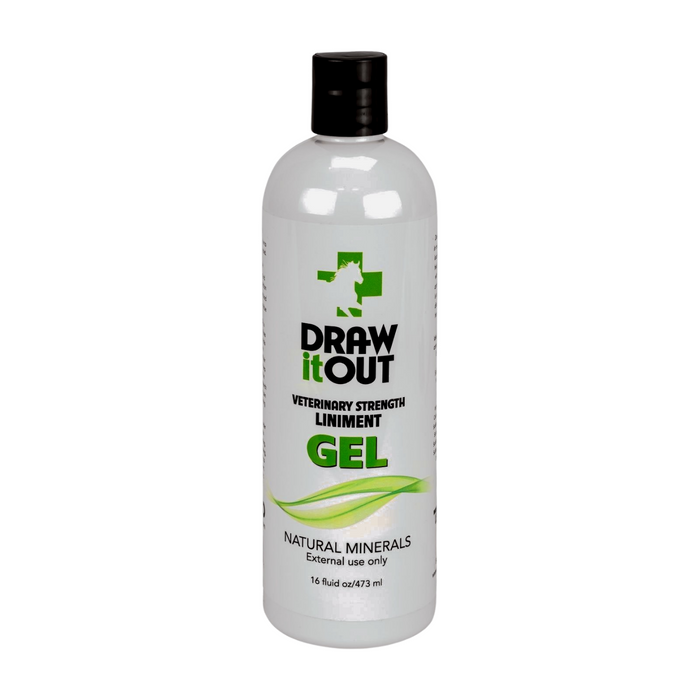
Stay-Put Gel
The everyday liniment gel format riders reach for when they want targeted, no-mess application.
View product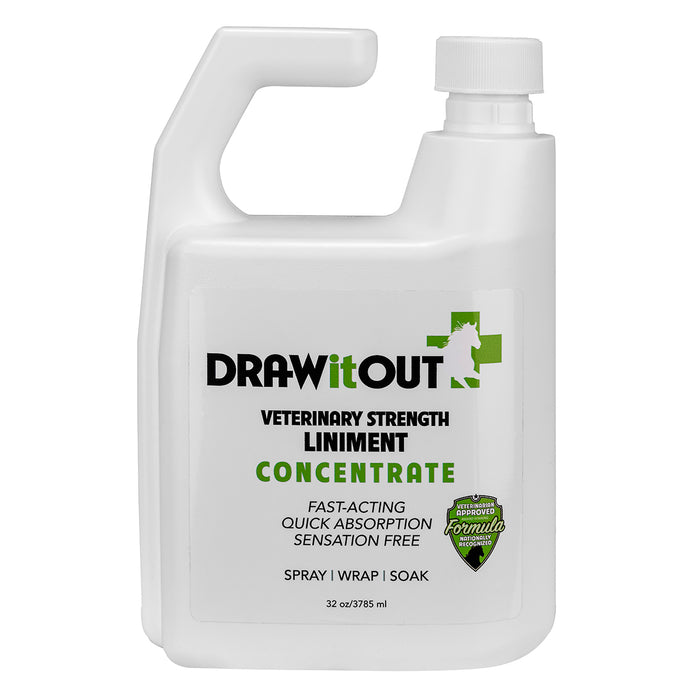
Mix Your Way
A flexible concentrate for riders who want to mix their own routine around workload and barn needs.
View product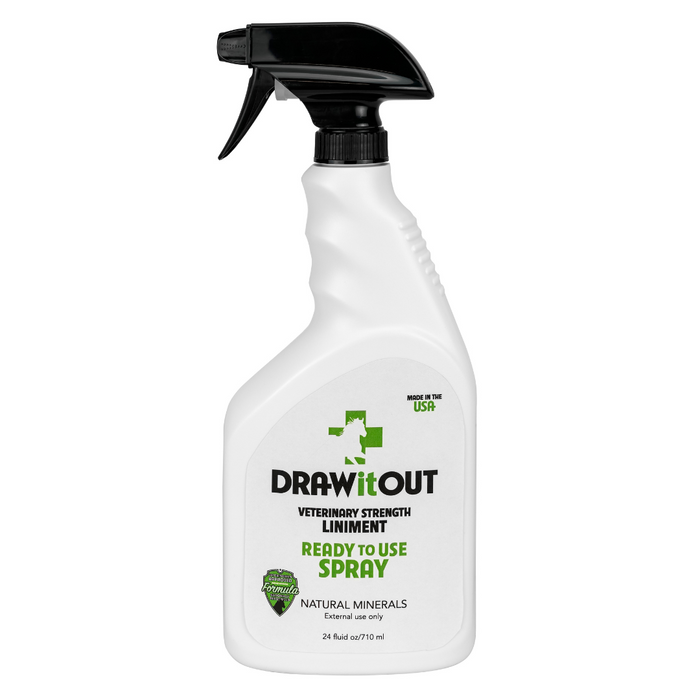
Ready To Use
A ready-to-use spray format for quick application after work, travel, turnout, or daily care.
View product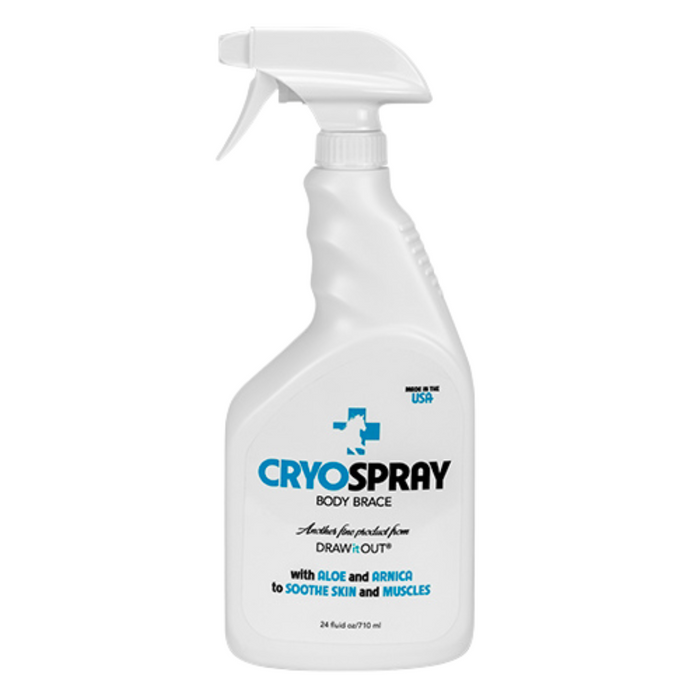
Cooling Brace
A cooling body brace spray for riders who want a fast, practical option after hard work or hot days.
View productFormat matters. Gel, concentrate, ready-to-use spray, and cooling spray each solve a different barn problem. Pick the one your routine will actually use.
!