

Daily recovery
Liniment Gels
Explore the Draw It Out® liniment gel lineup for everyday use, post-work routines, and targeted recovery support.
Shop liniment gels
Wildfires, floods, hurricanes, severe storms, winter outages, and other emergencies force fast decisions. A written plan, practiced loading, clear identification, and more than one safe destination give horse owners a better chance to act before conditions close in.
Quick answer: Identify the hazards most likely in your area, assign responsibilities, prepare records and supplies, practice evacuation, and review the plan with your veterinarian, barn team, and local emergency guidance. Human safety comes first. Do not enter a dangerous area or delay an official evacuation order to retrieve equipment.
A plan should state what happens before, during, and after each likely emergency. Wildfire, flood, extreme cold, smoke, and extended power loss can require different decisions. Review local hazard maps, evacuation guidance, and shelter options instead of using one generic plan for every event.
Practice the plan during calm weather. A drill exposes missing keys, blocked trailer access, horses that do not load, and responsibilities that were never clearly assigned.
Emergency supplies should be ready to load, not scattered across the property. Match quantities to the number of horses, expected travel time, destination, and local emergency guidance.
Store paper records in a waterproof container and keep secure digital copies that an authorized person can reach from another device. Check expiration dates and rotate feed, water, batteries, and medications on a schedule.
Confirm destinations before an emergency and ask what documentation, health requirements, bedding, feed, and arrival procedures they expect. A fairground, veterinary facility, friend, or commercial evacuation site may fill different roles.
Do not assume a destination can accept horses because it did during a previous event. Capacity, roads, quarantine rules, and local conditions change.
Routine facility work can remove hazards before weather or fire turns them into emergencies.
Ask local fire, emergency-management, and veterinary professionals what changes matter most for the property. Regional advice is more useful than a generic barn checklist.
Contact your veterinarian for burns, wounds, smoke-related coughing or breathing changes, heat stress, dehydration concerns, colic signs, lameness, eye irritation, abnormal behavior, or a horse that is not recovering normally. Check feed and water for contamination before use.
Debris, wet bedding, transport, crowded spaces, smoke residue, and damaged fencing can create rubs or skin concerns. Examine the horse in good light before applying anything. Deep wounds, punctures, burns, eye involvement, marked pain, heat, swelling, drainage, fever, or lameness belong with a veterinarian.
Photograph new findings, remove loose debris only when it is safe to do so, and follow the veterinarian's cleaning and bandaging directions.
Rapid Relief Restorative Cream can fit routine external skin care when the exact label and the situation support its use. It does not replace wound assessment or emergency care.
Monitor comfort, movement, appetite, drinking, temperature, breathing, swelling, and the skin finding itself. Escalate any worsening change.
Review it whenever horses, staff, vehicles, destinations, medications, contact details, or local risks change, and practice it on a regular schedule.
Carry current ownership, identification, health, vaccination, medication, veterinarian, and emergency-contact information, plus recent photos showing identifying markings.
Follow local emergency guidance and the triggers in your written plan. Horses, trailers, and congested roads take time, so discuss early-departure decisions with local authorities and your barn team before an event.
Check breathing, hydration, appetite, manure, movement, eyes, hooves, legs, skin, wounds, and behavior. Contact your veterinarian for abnormal findings or poor recovery.
Preparation is an ongoing process. Update the plan, replace expired supplies, practice loading, and keep decisions tied to current local guidance. Clear systems create room for calmer choices when conditions are not calm.
This article gives you the background. If you are ready to put the idea into a real horse care routine, these are the next places most riders should go.
Explore the Draw It Out® liniment gel lineup for everyday use, post-work routines, and targeted recovery support.
Shop liniment gelsMatch your horse’s workload, age, routine, and care goals to the Draw It Out® products that make the most sense.
Use the finderLearn how riders support soundness, comfort, and consistency before little issues become bigger problems.
Read the guideReal Barn Proof
Real riders. Real horses. Real routines. These clips rotate automatically so the proof stays fresh without weighing the page down with a long feed.
Why this matters: good horse care should make sense outside the ad. These clips show the kind of everyday use that builds trust one barn at a time.
Further Reading
Horse care works better when the next step is clear. These related reads help connect today’s topic to better daily decisions in the barn.
Jul 08, 2026
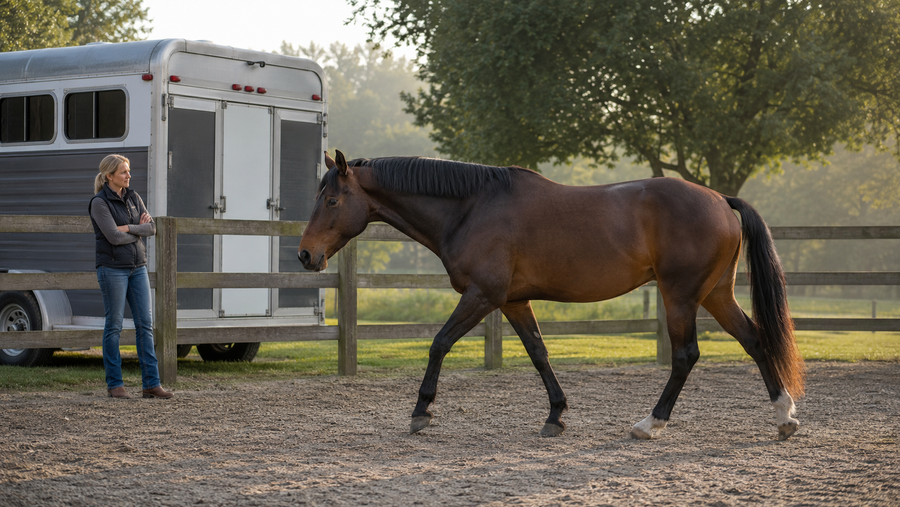
A practical horse health guide for hind-end stiffness after a trailer ramp: first steps, ramp traction, body checks, and vet red flags.
Read article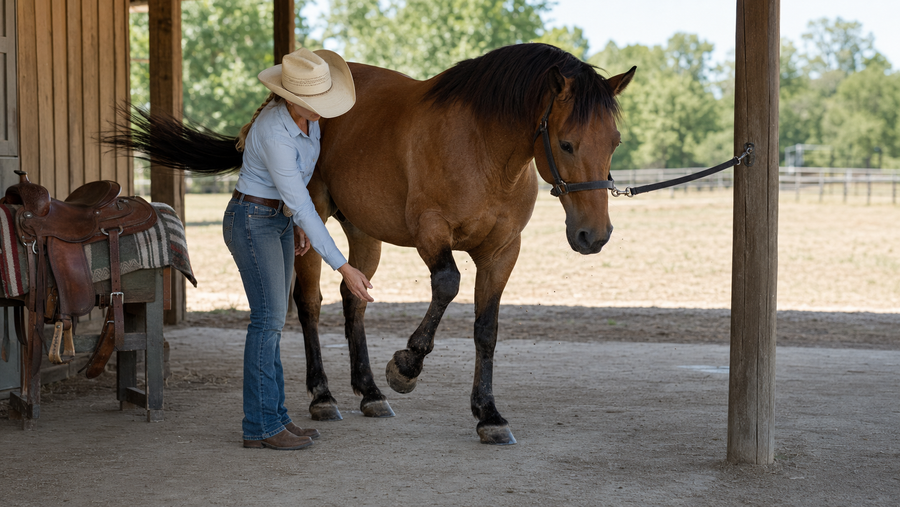
Jul 08, 2026
Before you ride in fly season, check the legs, belly line, sweat, turnout spots, tack area, and fly-control routine so stomping does not turn ...
Read article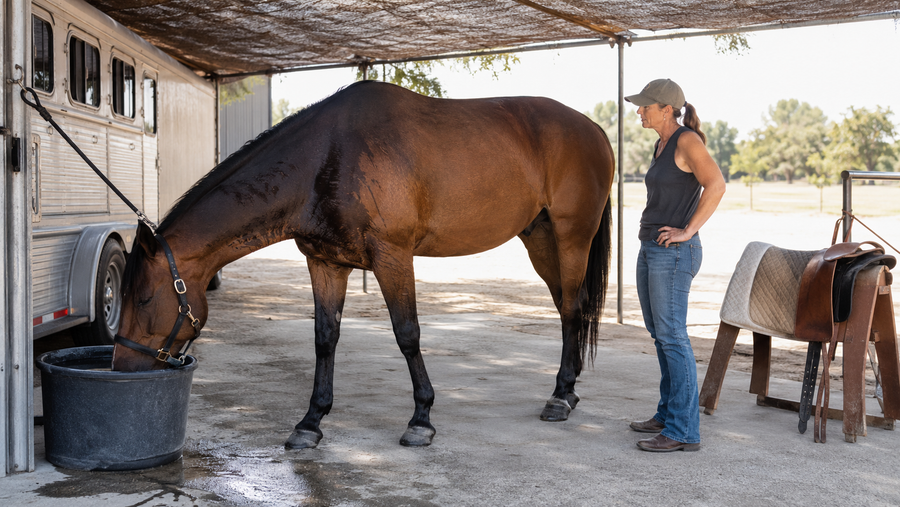
Jul 07, 2026
A practical horse electrolyte guide covering diet, water, salt, heat, humidity, hauling, sweat, recovery, and urgent veterinary signs.
Read articleStart with the principle, then build the habit. The right article should make the next barn decision easier, not more complicated.
Next Step
Simple care guides, practical product paths, and rider-trusted tools built for real horses and real routines.
Good care gets easier when the next step is obvious. Read the guide, match the routine, then choose the format that fits how your barn actually works.
Recovery Routine
Want a smarter way to think through post-ride care, heat, swelling, leg support, and daily recovery decisions? Start with the Performance Recovery Hub.
Better recovery starts with a repeatable routine. The hub gives riders a clearer path from workload to product format to aftercare timing.
Rider Favorites
Four core Draw It Out® staples riders keep close for daily recovery routines, wash rack use, targeted support, and quick barn-side care.
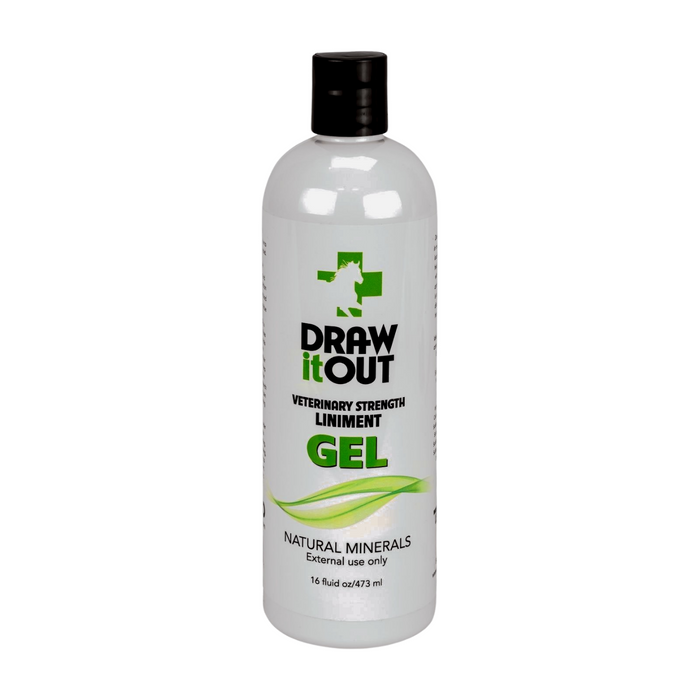
Stay-Put Gel
The everyday liniment gel format riders reach for when they want targeted, no-mess application.
View product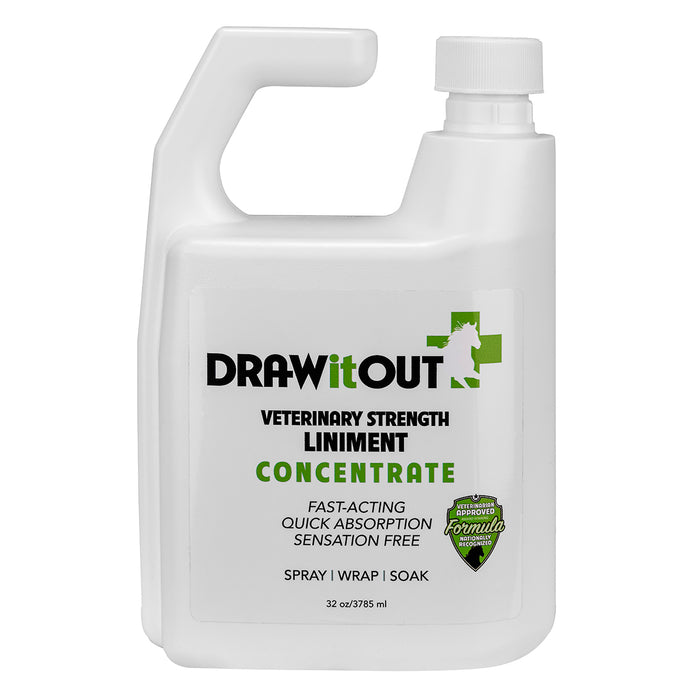
Mix Your Way
A flexible concentrate for riders who want to mix their own routine around workload and barn needs.
View product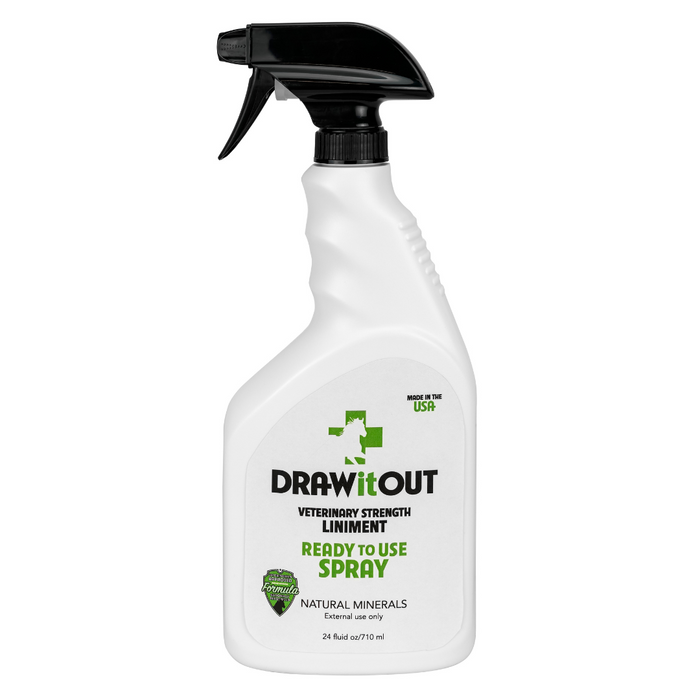
Ready To Use
A ready-to-use spray format for quick application after work, travel, turnout, or daily care.
View product
Cooling Brace
A cooling body brace spray for riders who want a fast, practical option after hard work or hot days.
View productFormat matters. Gel, concentrate, ready-to-use spray, and cooling spray each solve a different barn problem. Pick the one your routine will actually use.
!