

Daily recovery
Liniment Gels
Explore the Draw It Out® liniment gel lineup for everyday use, post-work routines, and targeted recovery support.
Shop liniment gels
Horse camping sounds simple until the horse has to live with every decision you made before you left the driveway. Rocky trails, strange water, long tie hours, heat, bugs, trailer fatigue, and overnight footing all stack on the same animal. A good camping trip starts with a real checklist and ends with a real recovery check.
Before horse camping, check water, hay and feed, tie-up safety, hoof protection, tack fit, skin condition, legs, heat, and trailer setup. After the trail, check first steps, legs, feet, hydration, appetite, manure, saddle and girth areas, insect irritation, and whether the horse recovers normally before asking for more.
A show horse gets a stall. A horse at home gets a routine. A horse at camp gets a little bit of everything: hauling, trail footing, strange sounds, different water, overnight tying, bugs, weather swings, and a rider who may be tired enough to miss small changes.
That is where trouble starts. Not because one thing went wrong, but because five small things stacked up. The horse rubbed the halter. The girth area got sweaty. The front feet got tender on rock. The water intake changed. The next morning the horse looked quiet, so nobody checked the first steps.
Real horse camping care is not fancy. It is disciplined. You look before the ride, during camp, after the ride, and again the next morning.
Camp is not downtime for the horse. It is a different kind of work. Standing tied, balancing on uneven ground, managing bugs, sleeping poorly, and dealing with unfamiliar horses all count.
The best kit is simple enough to actually use and small enough to stay in the trailer.
Draw It Out® products do not replace water, rest, hoof protection, veterinary care, or good judgment. They support the external care routine after the horse has been checked.
Call your veterinarian or farrier for lameness, a loose or lost shoe you cannot safely manage, a strong digital pulse, concerning hoof heat, deep cuts, eye injury, swelling with pain, abnormal breathing, fever, refusal to eat or drink, signs of colic, tying-up signs, severe dehydration concerns, or a horse that is simply not acting normal.
Do not cover up a problem just because you are away from home. A horse that is not right at camp deserves more caution, not less.
For deeper planning, use the Horse Trailer Care Kit, Trail & Ranch Horse Leg Care Routine, Daily Horse Leg Care Routine, and the Horse Health Library. If you are unsure what the horse needs, start with What Does My Horse Need?.
Check feet, shoes or boots, legs, tack fit, skin, water plan, hay, feed, trailer setup, tie-up safety, and whether the horse is conditioned for the trail and terrain.
Check first steps, legs, hooves, saddle area, girth area, hydration, appetite, manure, skin rubs, insect irritation, cool-out time, and the horse’s attitude the next morning.
A practical kit should include hoof tools, clean towels, thermometer, basic vet-approved bandage supplies, spare halter and lead, emergency contacts, safe tie gear, and external care products for routine checks.
Call for lameness, swelling with pain, deep cuts, eye injury, abnormal breathing, colic signs, fever, refusal to drink, concerning hoof heat, tying-up signs, or any behavior that is not normal for your horse.
Yes, liniment can be part of external post-ride care on intact skin after you check the horse. Do not use it to hide pain, swelling, open wounds, heat, or lameness that needs professional help.
The best horse camping stories come from riders who checked early, rode fair, and noticed small problems before they became big ones.
Build the routine with Draw It Out® horse liniments and the What Does My Horse Need? guide.
This article gives you the background. If you are ready to put the idea into a real horse care routine, these are the next places most riders should go.
Explore the Draw It Out® liniment gel lineup for everyday use, post-work routines, and targeted recovery support.
Shop liniment gelsMatch your horse’s workload, age, routine, and care goals to the Draw It Out® products that make the most sense.
Use the finderLearn how riders support soundness, comfort, and consistency before little issues become bigger problems.
Read the guideReal Barn Proof
Real riders. Real horses. Real routines. These clips rotate automatically so the proof stays fresh without weighing the page down with a long feed.
Why this matters: good horse care should make sense outside the ad. These clips show the kind of everyday use that builds trust one barn at a time.
Further Reading
Horse care works better when the next step is clear. These related reads help connect today’s topic to better daily decisions in the barn.
Jul 21, 2026
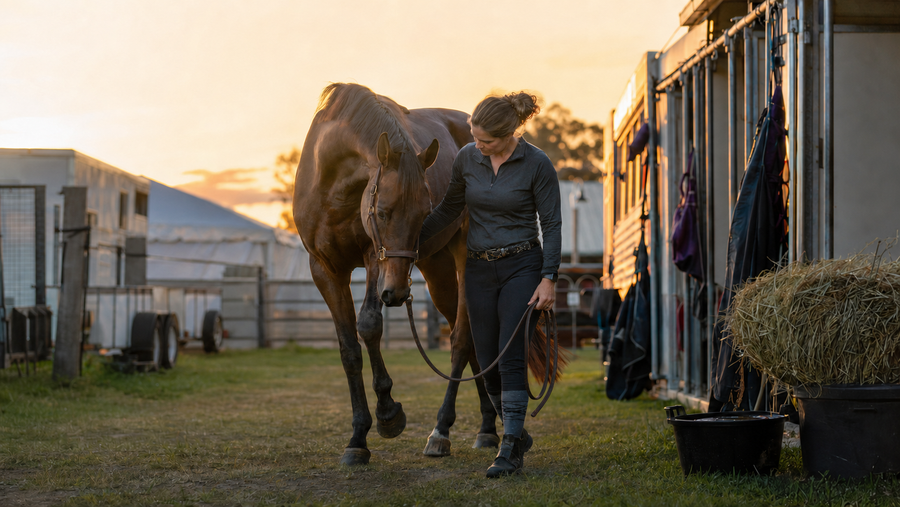
Multi-day events don’t reward harder work. They reward better recovery. Here’s how to protect soundness between back-to-back rides.
Read article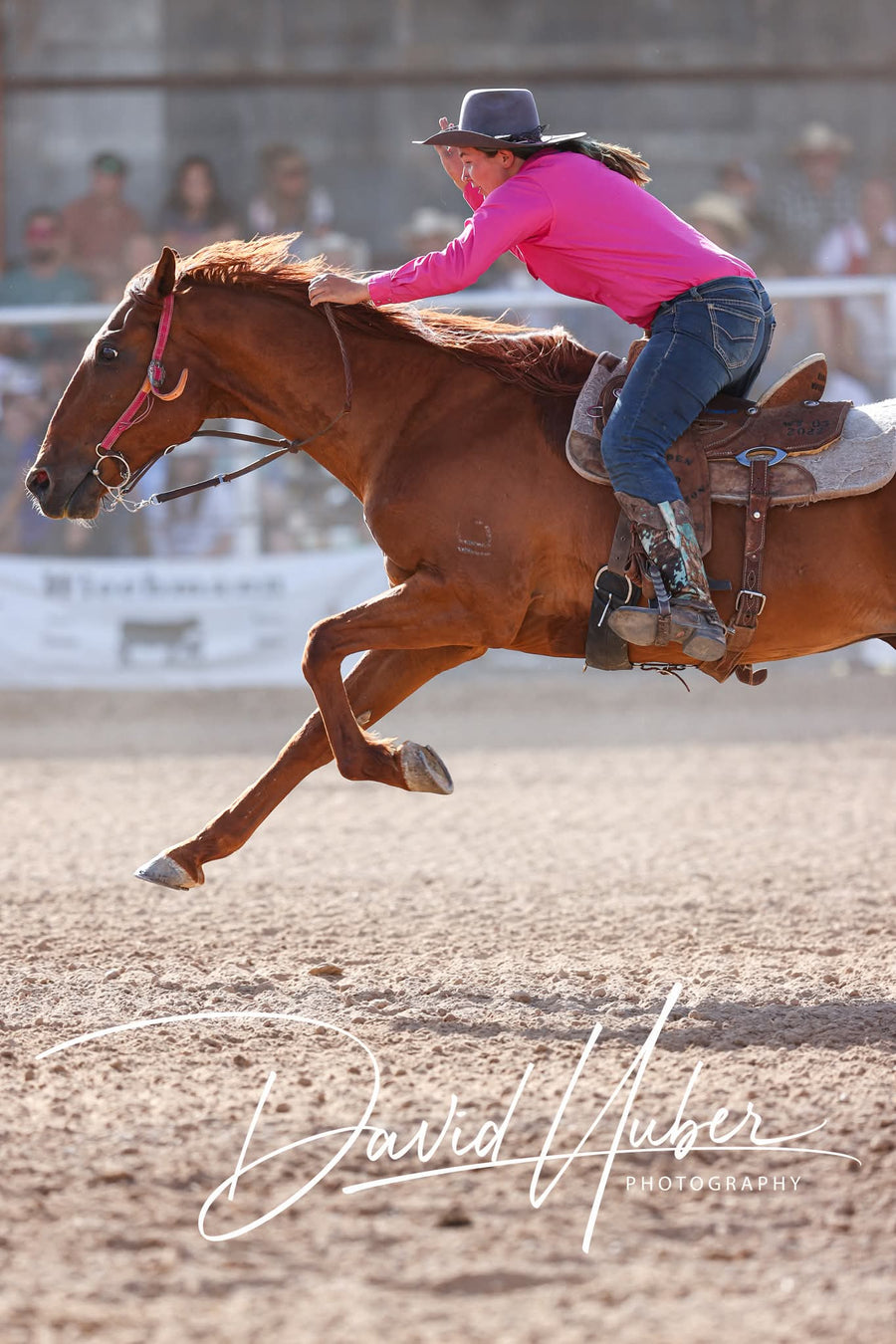
Jul 21, 2026
Meet Kaitlyn Schmuck of Misfit Rodeo, a Wyoming rodeo, trail and day-work horsewoman who uses EQUINE | DEFENDER™ K Tape with her barrel horse.
Read article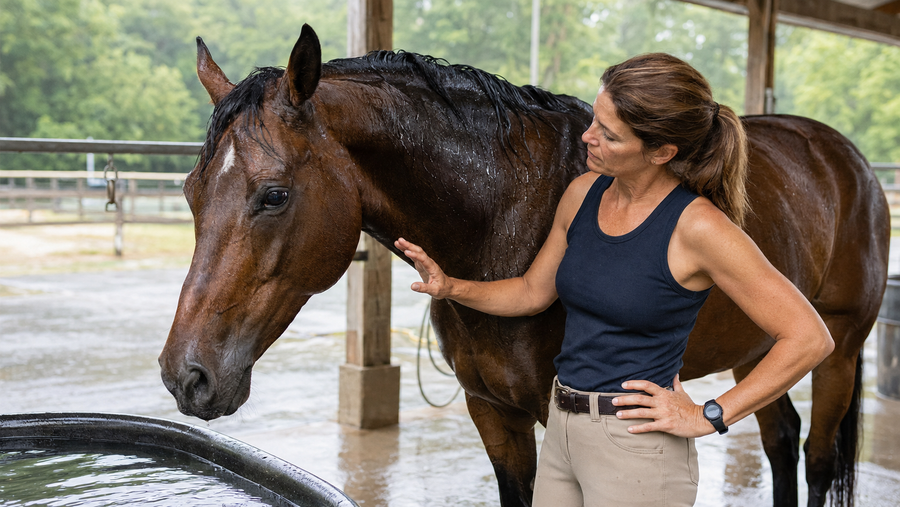
Jul 21, 2026
A practical horse health guide for horses slow to cool out after humid work: recovery time, breathing, sweat, water, and vet red flags.
Read articleStart with the principle, then build the habit. The right article should make the next barn decision easier, not more complicated.
Next Step
Simple care guides, practical product paths, and rider-trusted tools built for real horses and real routines.
Good care gets easier when the next step is obvious. Read the guide, match the routine, then choose the format that fits how your barn actually works.
Recovery Routine
Want a smarter way to think through post-ride care, heat, swelling, leg support, and daily recovery decisions? Start with the Performance Recovery Hub.
Better recovery starts with a repeatable routine. The hub gives riders a clearer path from workload to product format to aftercare timing.
Rider Favorites
Four core Draw It Out® staples riders keep close for daily recovery routines, wash rack use, targeted support, and quick barn-side care.
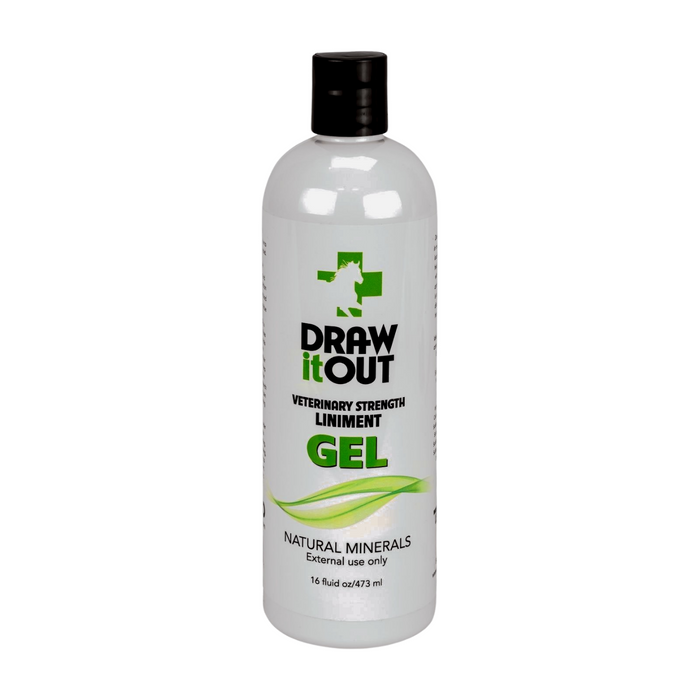
Stay-Put Gel
The everyday liniment gel format riders reach for when they want targeted, no-mess application.
View product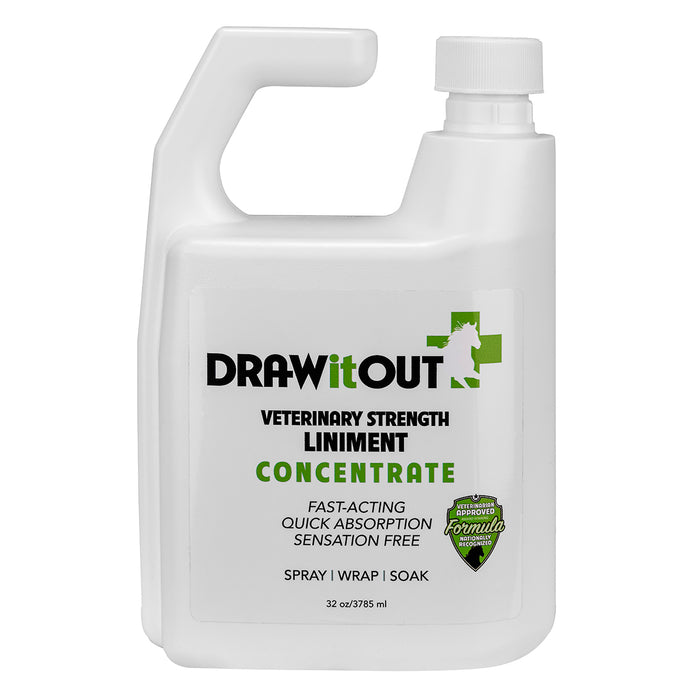
Mix Your Way
A flexible concentrate for riders who want to mix their own routine around workload and barn needs.
View product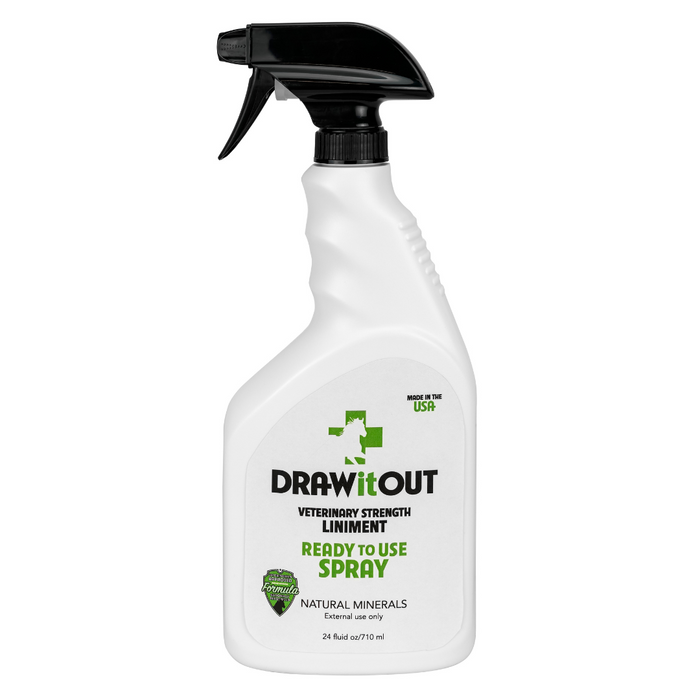
Ready To Use
A ready-to-use spray format for quick application after work, travel, turnout, or daily care.
View product
Cooling Brace
A cooling body brace spray for riders who want a fast, practical option after hard work or hot days.
View productFormat matters. Gel, concentrate, ready-to-use spray, and cooling spray each solve a different barn problem. Pick the one your routine will actually use.
!